
Guide for International Surrogacy Process for Intended Parents

International surrogacy is a complex journey that combines medical treatment, international law, financial planning, and emotional commitment. Families may consider this path due to infertility, medical conditions, same-sex family building, or repeated IVF failures. Understanding the full process before starting is essential.
This guide provides a clear overview of eligibility, country selection, legal parentage, budgeting, and emotional preparation — helping intended parents move forward with confidence and realistic expectations.
The information shared here is based on over 16 years of experience in the fertility and international surrogacy field, working with intended parents, clinics, and legal professionals across multiple countries.
Please note this guide is for informational purposes only and does not replace professional advice. For medical evaluation, consult a certified reproductive specialist. Because surrogacy laws change frequently, contact our team for updated, destination-specific guidance tailored to your situation.
With proper planning and expert support, international surrogacy can be a structured and life-changing path to parenthood.
International Surrogate Mother Costs – IVF Conceptions
The cost of an international surrogate mother Costs varies from country to country and depends on local regulations, medical requirements, compensation policies, and the overall surrogacy program. While some countries permit compensated surrogacy, others allow only altruistic arrangements, which can significantly affect the total cost.
IVF Conceptions, we help intended parents understand the complete financial before beginning their journey. International surrogate mother costs generally include surrogate compensation (where legally permitted), IVF treatment, embryo transfer, prenatal care, medical tests, legal documentation, insurance, agency coordination, and delivery expenses. The amount depends on the destination, clinic, and individual medical circumstances.
Countries such as Colombia, Georgia, Argentina, Mexico, and Kazakhstan each have different legal and pricing structures. A destination should never be based on cost alone. The experience of the fertility clinic, legal protection, medical standards, and ongoing support throughout the pregnancy are equally important.
📞 Get in Touch for a Free Surrogacy Consultation and for
Guide for International Surrogacy Process
📱 +91-8800481100 (WhatsApp | LINE | Viber)
📧 neelam@ivfconceptions.com
🌐 www.georgiasurrogacyagency.com
🌐 www.ukrainesurrogacyagency.com
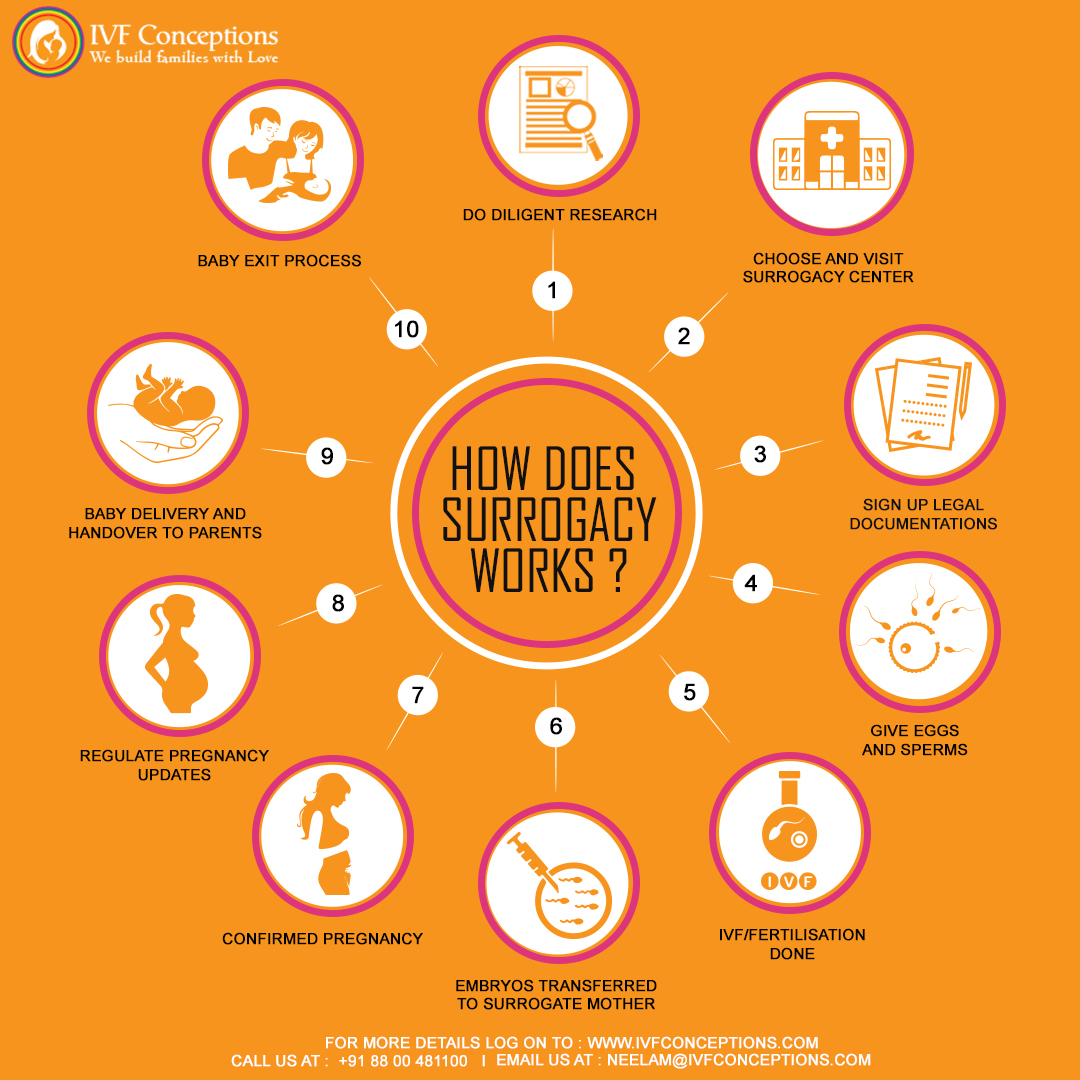
Understanding the Gestational Surrogacy Process
Gestational surrogacy is a structured medical and legal process where a surrogate carries a pregnancy created through IVF for intended parents. The surrogate has no genetic link to the baby. The journey includes screening, contracts, embryo transfer, pregnancy monitoring, and legal parentage steps. Understanding the full process helps reduce risks and avoid unexpected delays. This section explains how surrogacy works from start to finish so intended parents can plan safely and confidently.
How does the surrogacy process work step by step?
The surrogacy process usually begins with choosing an agency or clinic. Next comes medical and psychological screening for both intended parents and the surrogate. Legal contracts are signed before IVF begins. Embryos are created and transferred to the surrogate. If pregnancy is confirmed, regular medical monitoring continues until birth. After delivery, legal parentage is finalized. The full journey often takes 12–24 months, depending on medical outcomes and country laws.
Learn more about the step-by-step surrogacy process.
What is surrogacy? Simple meaning and common surrogacy terms
Surrogacy is an arrangement where a woman carries a baby for intended parents. In gestational surrogacy, the surrogate is not biologically related to the child. Common terms include IVF, embryo transfer, intended parents (IPs), egg donor, gestational carrier, and PGT-A testing. Understanding these terms helps you communicate clearly with clinics, agencies, and lawyers during your journey.
Learn more about the meaning and common surrogacy terms.
Is surrogacy the right option for us?
Surrogacy may be suitable for couples with infertility, women unable to carry a pregnancy, same-sex male couples, or single intended parents. It requires emotional readiness, financial planning, and legal understanding. Before starting, families should evaluate medical history, travel flexibility, and budget. Consulting fertility experts can help determine whether surrogacy is the best path forward.
Learn more about whether surrogacy is right for you.
What are the different types of surrogacy?
There are two main types of surrogacy: gestational and traditional. Gestational surrogacy involves IVF, and the surrogate has no genetic link to the baby. Traditional surrogacy involves the surrogate’s own egg, making her biologically related. Most international programs only allow gestational surrogacy due to legal clarity and lower risk.
Learn more about the different types of surrogacy.
What is the difference between traditional and gestational surrogacy?
The main difference is genetics. In traditional surrogacy, the surrogate uses her own egg and is the biological mother. In gestational surrogacy, embryos are created using the intended parents’ or donor’s egg, so the surrogate has no genetic connection. Gestational surrogacy is more widely accepted legally and internationally.
Learn more about traditional vs gestational surrogacy.
How long does the surrogacy process take from start to finish?
On average, the surrogacy journey takes 12–24 months. Time is needed for matching, medical screening, legal contracts, IVF cycles, and pregnancy. Delays can occur if embryo transfers fail or additional medical steps are required. International surrogacy may also involve extra time for travel and legal documentation.
Learn more about the surrogacy timeline.
What are the requirements for intended parents to start surrogacy?
Requirements vary by country but usually include medical documentation, psychological evaluation, and legal eligibility. Some countries have age limits or marital status rules. Intended parents may also need infectious disease screening and genetic testing before IVF begins. Understanding eligibility early prevents delays later.
Learn more about intended parent requirements for surrogacy.
What are the requirements to become a surrogate mother?
Surrogates typically must be between certain age ranges, have had at least one healthy pregnancy, and pass medical and psychological screening. They should be financially stable and free from major health conditions. Each country and agency sets specific criteria to protect both the surrogate and intended parents.
Learn more about surrogate mother eligibility requirements.
What medical procedures are involved in surrogacy?
Surrogacy involves IVF to create embryos, hormonal preparation for the surrogate, and embryo transfer. Additional procedures may include egg retrieval, sperm collection, PGT-A testing, and routine prenatal care. Throughout pregnancy, the surrogate undergoes regular monitoring to ensure maternal and fetal health.
Learn more about medical procedures in surrogacy and IVF.
How do you choose the best surrogacy agency?
Choosing the right agency involves reviewing experience, transparency, legal support, screening standards, and success rates. Intended parents should verify licenses, read independent reviews, and understand what services are included in the program fee. A reliable agency reduces risk and improves communication throughout the journey.
Learn more about choosing the best surrogacy agency.
How are surrogate mothers selected and screened?
Surrogates undergo medical exams, fertility evaluations, infectious disease testing, and psychological assessments. Agencies also review lifestyle, pregnancy history, and background checks. Proper screening reduces medical and emotional risks during the process.
Learn more about the surrogate screening and selection process.
What happens if embryo transfer fails in surrogacy?
If implantation fails, another embryo transfer may be scheduled if embryos are available. Doctors may adjust medications or recommend further testing. Failed transfers can extend timelines and increase costs, so planning for multiple attempts is important.
Learn more about failed embryo transfer in surrogacy.
How is a surrogate pregnancy monitored?
After pregnancy confirmation, the surrogate receives regular ultrasounds, blood tests, and prenatal care. Intended parents are often updated through reports or direct communication, depending on the program. Monitoring ensures early detection of complications and supports a healthy pregnancy.
Learn more about surrogate pregnancy monitoring.
What can go wrong during the surrogacy process?
Potential challenges include failed embryo transfers, pregnancy complications, legal delays, or unexpected costs. International programs may also face political or regulatory changes. Careful planning and choosing experienced professionals can reduce these risks.
Learn more about risks in the surrogacy process.
Is surrogacy safe for intended parents and surrogates?
When managed by qualified clinics and legal experts, surrogacy is generally safe. Medical screening, proper contracts, and structured monitoring reduce risks. However, like any medical process, IVF and pregnancy carry potential complications that should be discussed in advance.
Learn more about surrogacy safety for intended parents and surrogates.
📞 Get in Touch for a Free Surrogacy Consultation and Guide for the International Surrogacy Process
📱 +91-8800481100 (WhatsApp | LINE | Viber)
📧 neelam@ivfconceptions.com
🌐 www.ivfconceptions.com

International Surrogacy Cost – Complete Budget Breakdown
The cost of surrogacy varies depending on the country, medical needs, legal structure, and agency involvement. Expenses typically include IVF procedures, surrogate compensation, agency coordination, legal contracts, medications, insurance, travel, and post-birth documentation. International surrogacy is often more affordable than programs in the United States, but lower cost should never mean lower safety or transparency.
Understanding the full financial picture helps intended parents avoid surprises and plan properly. This section breaks down what you can expect to pay and how to budget wisely.
How much does surrogacy cost in total?
Total surrogacy costs depend on location and medical complexity. In the United States, programs can exceed six figures, while some international destinations offer lower overall packages. The final amount usually includes IVF, surrogate compensation, agency fees, legal services, and delivery expenses. Multiple embryo transfers or medical complications may increase costs.
Learn more about total surrogacy costs.
What is included in a surrogacy program fee?
A surrogacy program fee may include surrogate matching, screening, IVF procedures, embryo transfer, pregnancy monitoring, legal contracts, and case management. Some programs also bundle delivery costs and newborn documentation. Always review what is included and what is billed separately to avoid confusion later.
Learn more about what is included in surrogacy program fees.
Are there hidden costs in international surrogacy?
Hidden costs can include additional IVF cycles, medications, unexpected medical complications, NICU care, legal document translations, travel extensions, and embassy fees. It is important to request a detailed cost breakdown before signing any contract. Transparency reduces financial stress later.
Learn more about hidden costs in international surrogacy.
Is surrogacy cheaper abroad than in the USA?
In many cases, international surrogacy programs cost significantly less than U.S. programs. Lower medical fees and surrogate compensation contribute to the price difference. However, parents must also factor in travel, accommodation, and citizenship procedures. Cost savings should always be balanced with safety and legal clarity.
Learn more about surrogacy cost comparison USA vs abroad.
How much do guaranteed baby programs cost?
Guaranteed baby programs offer financial protection if initial embryo transfers fail. These programs usually cost more upfront but may reduce long-term risk. Pricing varies depending on country, number of included attempts, and medical conditions. Parents should carefully review refund terms and conditions.
Learn more about guaranteed baby surrogacy programs.
Can you finance international surrogacy?
Some parents use personal savings, loans, fertility financing programs, or family support to fund surrogacy. Certain agencies partner with financing providers, while others require full payment in stages. Planning funding early can reduce stress during the process.
Learn more about financing international surrogacy.
Does health insurance cover surrogate pregnancy?
Insurance coverage varies by country and provider. In some destinations, maternity care is included in program fees. In others, additional insurance policies must be purchased for the surrogate. Intended parents should confirm coverage limits and hospital expenses in advance.
Learn more about health insurance and surrogate pregnancy coverage.
What are the cheapest countries for surrogacy?
Some countries offer lower-cost surrogacy programs due to reduced medical and legal expenses. However, the cheapest option is not always the safest. Stability, legal clarity, and clinic quality should be prioritized over price alone.
Learn more about the cheapest countries for surrogacy.
How can you reduce surrogacy costs safely?
Costs can be managed by choosing countries with transparent pricing, preparing medically in advance, and understanding what services are included. Avoid cutting corners on legal or medical protections, as this can create larger problems later. Smart planning helps reduce unnecessary expenses.
Learn more about reducing surrogacy costs safely.
How much does surrogacy cost for gay couples?
Costs for gay couples are often similar to those for other intended parents but may include egg donor fees and additional legal documentation. Eligibility rules and medical needs can influence final expenses depending on the country chosen.
Learn more about surrogacy costs for gay couples.
How much does surrogacy cost for single parents?
Single parents typically face similar base costs, though legal and citizenship steps may differ depending on nationality. Additional documentation or travel requirements can slightly increase expenses in some countries. Proper budgeting ensures a smoother journey.
Learn more about surrogacy costs for single parents.
📞 Get in Touch for a Free Surrogacy Consultation
📱 +91-8800481100 (WhatsApp | LINE | Viber)
📧 neelam@ivfconceptions.com
🌐 www.ivfconceptions.com
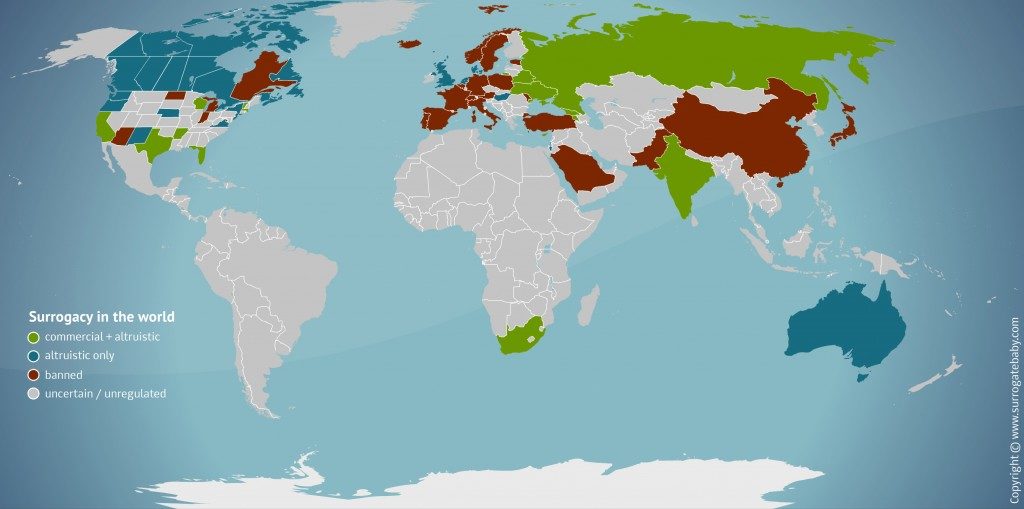
International surrogacy cost
International Surrogacy Process
International surrogacy Process has become an increasingly popular path for individuals and couples seeking to build their families, particularly when local laws, costs, or medical options present challenges. The process typically begins with an initial consultation, where intended parents discuss their medical history, family-building goals, and preferred destination country. Since surrogacy laws vary widely across borders, this stage also involves understanding which countries offer legally secure and ethically sound frameworks for international arrangements.
Once a country and agency are selected, the legal groundwork is laid through detailed contracts that outline parental rights, compensation, citizenship provisions for the child, and protections for the surrogate. This legal clarity is essential to avoid complications later, especially when intended parents and surrogates reside in different countries with differing regulations. Alongside this, intended parents are matched with a suitable surrogate, and if needed, an egg or sperm donor, based on medical compatibility and personal preferences.
Before moving forward, both the surrogate and intended parents (or donors) undergo thorough medical and psychological screening to confirm they are physically and emotionally prepared for the journey ahead. Once cleared, the process moves into the IVF stage, where embryos are created using the intended parents’ or donors’ genetic material and then transferred into the surrogate’s uterus. From this point onward, the pregnancy is closely monitored, with regular checkups and consistent communication between the surrogate, medical team, and intended parents, who are often kept informed remotely if they are traveling internationally only for key milestones.
How does international surrogacy work?
International surrogacy works similarly to domestic surrogacy but involves cross-border legal and travel coordination. Intended parents choose a country where surrogacy is legally available to them, complete medical and legal steps there, and travel for embryo transfer and birth. After delivery, legal parentage and citizenship paperwork must be finalized before returning home.
Learn more about how international surrogacy works.
What is the step-by-step process for international surrogacy?
The process includes choosing a country, selecting an agency and clinic, medical screening, signing legal contracts, creating embryos via IVF, transferring embryos, pregnancy monitoring, and traveling for birth. After delivery, citizenship and passport procedures must be completed before leaving the country.
Learn more about the international surrogacy step-by-step process.
How long does international surrogacy take?
International surrogacy usually takes 14–24 months, depending on matching speed, IVF success, and legal timelines. Travel scheduling, embassy appointments, and documentation for citizenship may extend the process after birth. Planning for possible delays is important.
Learn more about the international surrogacy timeline.
What are the legal steps in international surrogacy?
Legal steps include drafting and signing a surrogacy contract, confirming parental rights under local law, and completing post-birth legal procedures. Parents must also follow their home country’s citizenship and passport requirements. Laws vary widely between countries, so expert legal advice is essential.
Learn more about legal steps in international surrogacy.
How do you choose the best country for international surrogacy?
Choosing the right country depends on legality, eligibility rules, cost, medical standards, and citizenship processes. Some countries allow single men or same-sex couples, while others restrict access. Stability and transparency should also be considered before deciding.
Learn more about choosing the best country for international surrogacy.
How do you find a surrogate mother abroad?
Most intended parents work with licensed agencies or fertility clinics that recruit and screen surrogates locally. Agencies manage matching, medical evaluation, and coordination. Independent arrangements are riskier and require careful legal oversight.
Learn more about finding a surrogate mother abroad.
How are surrogates screened in international programs?
International programs screen surrogates through medical exams, infectious disease testing, psychological assessments, and background checks. Pregnancy history and lifestyle factors are also reviewed. Proper screening reduces medical and legal risks.
Learn more about international surrogate screening.
How do you choose an egg donor for international surrogacy?
Egg donors can be known or anonymous, depending on the country’s regulations. Donors are screened for medical history, genetics, and psychological health. Intended parents typically review donor profiles, including physical traits and educational background, before selection.
Learn more about choosing an egg donor for international surrogacy.
Which are the best legal countries for international surrogacy?
The best countries are those with clear surrogacy laws, established clinics, and predictable citizenship processes. Eligibility varies by marital status and sexual orientation. Laws also change frequently, so up-to-date guidance is critical before proceeding.
Learn more about the best legal countries for international surrogacy.
How do you find a trusted international surrogacy agency?
A trusted agency should have transparent pricing, verified success rates, strong legal support, and positive independent reviews. Always check experience, communication quality, and whether services are clearly defined in contracts.
Learn more about choosing a trusted international surrogacy agency.
How do parents bring their baby home after international surrogacy?
After birth, parents must secure legal parentage recognition, apply for citizenship, and obtain a passport or travel document for the baby. Embassy appointments and DNA testing may be required depending on nationality. Travel home is only possible once the documents are approved.
Learn more about bringing your baby home after international surrogacy.
How does citizenship work for babies born through international surrogacy?
Citizenship depends on the parents’ nationality and local laws in the birth country. Some countries grant citizenship by descent, while others require DNA proof. The process often involves embassy registration and documentation review.
Learn more about citizenship after international surrogacy.
Can you do international surrogacy if it is illegal in your country?
In some cases, parents can pursue surrogacy abroad even if it is restricted at home. However, bringing the baby back may involve additional legal steps. Legal advice is crucial before starting to avoid complications.
Learn more about doing international surrogacy if it’s illegal in your country.
Is international surrogacy safe?
International surrogacy can be safe when conducted in countries with established legal frameworks and reputable clinics. Proper contracts, medical standards, and experienced agencies reduce risks significantly.
Learn more about international surrogacy safety.
What are the risks of international surrogacy?
Risks include legal changes, political instability, agency shutdowns, medical complications, and unexpected financial costs. Cross-border citizenship delays are also possible. Careful planning helps minimize exposure to these risks.
Learn more about the risks of international surrogacy.
How much does international surrogacy cost?
Costs vary widely depending on country, clinic, and medical needs. Expenses typically include agency fees, surrogate compensation, IVF, legal services, travel, and post-birth documentation. Budget planning is essential before starting.
Learn more about international surrogacy costs.
How many times do intended parents need to travel during international surrogacy?
Most programs require at least one trip for embryo transfer and one for birth. Some parents travel additional times for medical coordination or legal steps. Travel frequency depends on clinic protocols and country regulations.
Learn more about travel requirements for international surrogacy.
Which countries allow surrogacy for gay couples?
Some countries permit surrogacy for same-sex male couples, while others restrict access to heterosexual married couples only. Laws vary frequently, so verifying current eligibility rules is essential.
Learn more about countries that allow surrogacy for gay couples.
Which countries allow surrogacy for single men?
Eligibility for single men varies significantly by country. Some destinations openly permit single fathers, while others prohibit single applicants. Legal clarity and citizenship procedures should be carefully reviewed before choosing a country.
Learn more about surrogacy for single men abroad.
📞 Get in Touch for a Free Surrogacy Consultation
📱 +91-8800481100 (WhatsApp | LINE | Viber)
📧 neelam@ivfconceptions.com
🌐 www.ivfconceptions.com

International surrogacy laws
Legal Aspects of International Surrogacy
Legal planning is one of the most important parts of international surrogacy. Laws vary significantly between countries, especially regarding eligibility, parental rights, and citizenship. Some countries clearly recognize intended parents at birth, while others require court orders or post-birth adoption. In addition, parents must follow their home country’s citizenship and passport rules before returning home.
Understanding the legal framework in both countries reduces risk and prevents delays. This section explains the key legal considerations every intended parent should know before starting.
Is international surrogacy legal?
International surrogacy is legal in some countries but banned or restricted in others. Laws determine who can apply, whether compensation is allowed, and how parental rights are recognized. Regulations can also change, so it’s important to confirm the current legal status before committing to a program.
Learn more about the legality of international surrogacy.
Is international surrogacy legal for US citizens?
U.S. citizens can pursue surrogacy abroad, but they must comply with U.S. citizenship laws when bringing their baby home. DNA proof of genetic connection may be required for citizenship by descent. Embassy procedures vary depending on the country of birth.
Learn more about international surrogacy for US citizens.
Is international surrogacy legal for UK citizens?
UK citizens may pursue surrogacy overseas, but UK law typically requires a parental order after birth to transfer legal parentage. The surrogate may initially be recognized as the legal mother under UK law. Careful legal planning is essential.
Learn more about international surrogacy for UK citizens.
Is international surrogacy legal for Australian citizens?
Australian citizens can engage in overseas surrogacy in some cases, but state laws vary. Some regions prohibit commercial surrogacy arrangements abroad. Legal advice is necessary before proceeding to avoid penalties or citizenship complications.
Learn more about international surrogacy for Australian citizens.
What countries allow international surrogacy for foreigners?
Several countries permit surrogacy for foreign intended parents under specific eligibility rules. Access may depend on marital status, sexual orientation, and genetic connection. Legal clarity and established court procedures are key factors when evaluating destinations.
Learn more about countries that allow international surrogacy for foreigners.
What countries have banned international surrogacy?
Some countries have prohibited commercial or all forms of surrogacy due to ethical or political concerns. Others restrict access only to domestic citizens. Laws can change quickly, so updated verification is critical before choosing a destination.
Learn more about countries that have banned international surrogacy.
What are the legal risks of international surrogacy?
Legal risks include unclear parental recognition, contract disputes, sudden law changes, and citizenship delays. Without proper legal support, intended parents may face unexpected court proceedings or extended stays abroad. Choosing experienced legal professionals reduces these risks.
Learn more about legal risks in international surrogacy.
How is legal parentage established in international surrogacy?
Parentage may be established before birth, at birth, or through a post-birth court order, depending on the country. Some jurisdictions automatically recognize intended parents, while others require additional legal steps. Understanding this process prevents future custody issues.
Learn more about establishing legal parentage in international surrogacy.
How does citizenship work after international surrogacy?
Citizenship typically depends on the intended parents’ nationality and proof of genetic connection. Some countries grant citizenship automatically by descent, while others require DNA testing and embassy approval. Documentation must be completed before traveling home.
Learn more about citizenship after international surrogacy.
How do you get a passport for a baby born through surrogacy abroad?
To obtain a passport, parents must first secure citizenship confirmation from their home country. This often involves submitting birth certificates, DNA results, and legal documents to the embassy. Processing times vary by country and workload.
Learn more about getting a passport after international surrogacy.
What are the exit requirements after an international surrogacy birth?
Exit requirements may include obtaining a local birth certificate, a court order, an embassy citizenship approval, and travel documents. Some countries also require DNA testing before issuing paperwork. Planning ahead avoids long post-birth stays.
Learn more about exit requirements after an international surrogacy birth.
📞 Get in Touch for a Free Surrogacy Consultation
📱 +91-8800481100 (WhatsApp | LINE | Viber)
📧 neelam@ivfconceptions.com
🌐 www.ivfconceptions.com
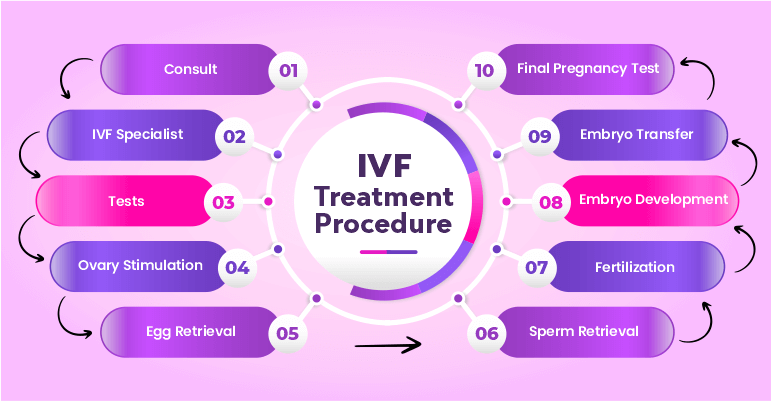
International surrogacy
Medical Aspects of Surrogacy and IVF
The medical side of surrogacy centers around IVF, embryo transfer, and careful pregnancy monitoring. Intended parents may use their own eggs and sperm or work with donors, depending on fertility factors. Clinics perform detailed medical screenings to ensure the surrogate is healthy and capable of carrying a pregnancy safely. Genetic testing, hormone preparation, and embryo quality all influence success rates.
Understanding the medical process helps intended parents prepare emotionally, physically, and financially for the journey ahead.
What medical tests are needed before starting surrogacy?
Before starting, intended parents usually undergo infectious disease screening, fertility hormone testing, semen analysis (if applicable), and genetic screening. Surrogates complete physical exams, uterine evaluations, blood tests, and psychological assessments. These tests ensure medical safety and improve the chances of a successful pregnancy.
Learn more about the medical tests required before surrogacy.
Can you use your own eggs for surrogacy?
Yes, many intended mothers use their own eggs if medically viable. This requires ovarian stimulation and egg retrieval before IVF. If egg quality or age is a concern, an egg donor may be recommended to improve success rates. Medical consultation determines the best option.
Learn more about using your own eggs in surrogacy.
Fresh vs frozen eggs in surrogacy – which is better?
Fresh eggs may offer slightly higher success rates in some cases, but frozen eggs provide flexibility and easier coordination across countries. Advances in freezing technology have improved outcomes significantly. The best choice depends on medical history, logistics, and clinic recommendations.
Learn more about fresh vs frozen eggs in surrogacy.
What is PGT-A genetic testing in IVF?
PGT-A (Preimplantation Genetic Testing for Aneuploidy) is a test performed on embryos before transfer. It screens for chromosomal abnormalities and helps select healthier embryos, potentially reducing miscarriage risk. While optional, many intended parents choose it to improve success rates.
Learn more about PGT-A genetic testing in IVF.
How many embryos should be transferred in surrogacy?
Most clinics recommend transferring one embryo to reduce the risk of twins and pregnancy complications. In some cases, two embryos may be considered depending on medical advice. Single embryo transfer is often preferred for safety.
Learn more about how many embryos to transfer in surrogacy.
What happens if embryo implantation fails?
If implantation fails, doctors review the cycle, adjust medications if needed, and schedule another transfer if embryos are available. Additional testing may be recommended to identify possible causes. Failed transfers can extend timelines, but are not uncommon in IVF.
Learn more about failed embryo implantation in surrogacy.
What are the health risks for surrogate mothers?
Like any pregnancy, surrogacy carries risks such as gestational diabetes, high blood pressure, or preterm labor. Careful screening and regular prenatal monitoring help reduce complications. Reputable programs prioritize surrogate health and medical safety.
Learn more about health risks for surrogate mothers.
How are surrogates medically screened?
Surrogates undergo blood tests, uterine scans, infectious disease screening, and full medical history review. Clinics also assess prior pregnancy outcomes to ensure suitability. Proper screening improves safety and increases the likelihood of a healthy pregnancy.
Learn more about medical screening for surrogates.
Can older intended parents safely pursue surrogacy?
Older intended parents can pursue surrogacy, but age may impact egg or sperm quality. Medical testing helps determine fertility potential. In some cases, donor eggs or sperm improve success rates. Clinics may also have age-related eligibility guidelines.
Learn more about surrogacy for older intended parents.
📞 Get in Touch for a Free Surrogacy Consultation
📱 +91-8800481100 (WhatsApp | LINE | Viber)
📧 neelam@ivfconceptions.com
🌐 www.ivfconceptions.com
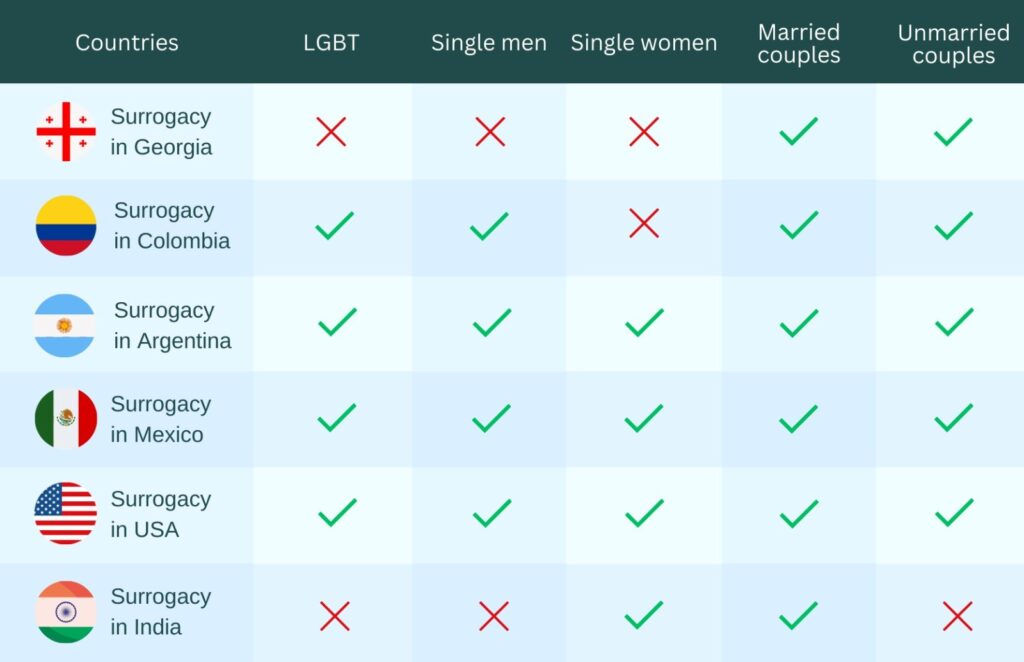
best countries for surrogacy
Choosing the Best Country for Surrogacy
Choosing the right country is one of the most important decisions in international surrogacy. Laws, eligibility rules, medical standards, costs, and citizenship procedures vary widely. Some countries allow single men and same-sex couples, while others restrict access to married heterosexual couples.
Political stability and legal clarity also matter. The “best” country depends on your family situation, budget, and risk tolerance. This section helps you compare destinations carefully before making a commitment.
Which countries allow international surrogacy in 2026?
Several countries currently allow international surrogacy under defined legal frameworks, but laws evolve frequently. Eligibility may depend on marital status, sexual orientation, and genetic connection. Always confirm current regulations before starting, as sudden legal changes can impact programs.
Learn more about countries that allow international surrogacy in 2026.
Is surrogacy legal in Georgia for foreigners?
Georgia has been known for permitting surrogacy for married heterosexual couples, with legal parentage often recognized at birth. However, regulations and eligibility criteria can change. Intended parents must confirm current legal requirements before proceeding.
Learn more about surrogacy laws in Georgia for foreigners.
Is surrogacy legal in Colombia for single men?
Colombia has attracted attention for broader eligibility in certain cases, including single men. However, legal processes and court involvement may vary. Clear legal guidance is essential to avoid misunderstandings.
Learn more about surrogacy in Colombia for single men.
Is Mexico safe for international surrogacy?
Mexico has been a surrogacy destination, but regulations differ by state and can change. Legal clarity and reliable agency support are crucial. Safety depends largely on choosing experienced professionals and understanding local laws.
Learn more about surrogacy safety in Mexico.
What is the best country for heterosexual couples to do surrogacy?
For heterosexual couples, some countries offer clearer legal recognition and streamlined birth certificate processes. The best choice depends on budget, travel flexibility, and comfort with the legal system. Comparing legal protections and success rates is key.
Learn more about the best countries for heterosexual couples.
Surrogacy in Georgia – what you should know
Georgia has historically provided structured programs with legal parentage recognition at birth for eligible couples. Medical services are well-developed, but eligibility rules must be carefully reviewed before starting.
Learn more about surrogacy in Georgia.
Surrogacy in Colombia – laws and process
Colombia’s legal environment has allowed surrogacy arrangements in certain cases, often involving court procedures. Intended parents should understand documentation, timelines, and citizenship processes before committing.
Learn more about surrogacy laws and process in Colombia.
Surrogacy in Mexico – cost and safety
Costs in Mexico may be lower than in some other countries, but legal frameworks vary by region. Intended parents must verify local regulations, clinic standards, and contract enforceability before proceeding.
Learn more about surrogacy cost and safety in Mexico.
Surrogacy in Armenia – is it legal?
Armenia has been considered by some intended parents due to legal allowances in certain circumstances. However, eligibility criteria and documentation requirements should be confirmed carefully before starting.
Learn more about surrogacy legality in Armenia.
Surrogacy in India – current legal status
India previously allowed international commercial surrogacy but later restricted access. Current laws limit eligibility primarily to domestic arrangements under strict rules. International intended parents should verify the latest regulations before considering India.
Learn more about the current legal status of surrogacy in India.
How do you compare surrogacy programs by country?
When comparing countries, evaluate legal clarity, eligibility, cost transparency, medical quality, citizenship procedures, and political stability. Avoid choosing solely based on price. A structured comparison helps reduce long-term risk.
Learn more about comparing surrogacy programs by country.
What are the best countries for gay surrogacy?
Some countries explicitly allow surrogacy for same-sex male couples, while others restrict eligibility. Legal recognition of both parents and citizenship processes are especially important factors for gay couples.
Learn more about the best countries for gay surrogacy.
What are the best countries for single fathers?
Single fathers face eligibility limitations in many destinations. A few countries allow single men under defined legal frameworks. Citizenship and parentage procedures must be clearly understood before proceeding.
Learn more about the best countries for single fathers.
When is USA surrogacy a better option than overseas?
U.S. surrogacy may offer stronger legal protections and clearer parentage recognition, though it is often more expensive. For parents prioritizing legal security and predictability, domestic programs may be preferable despite higher costs.
Learn more about the USA vs international surrogacy comparison.
📞 Get in Touch for a Free Surrogacy Consultation
📱 +91-8800481100 (WhatsApp | LINE | Viber)
📧 neelam@ivfconceptions.com
🌐 www.ivfconceptions.com

Risks and Challenges in International Surrogacy
International surrogacy offers opportunities but also involves medical, legal, financial, and political risks. Cross-border arrangements add complexity, especially regarding citizenship, contracts, and travel. Unexpected events such as law changes, agency issues, or pregnancy complications can delay the process. Understanding potential challenges in advance allows intended parents to plan better and reduce exposure to risk. This section outlines the most common concerns and how to manage them responsibly.
What are the biggest risks in international surrogacy?
The main risks include unclear legal parentage, citizenship delays, failed embryo transfers, medical complications, and unexpected costs. Political instability or regulatory changes in the destination country can also disrupt programs. Proper planning and expert guidance significantly reduce these risks.
Learn more about the biggest risks in international surrogacy.
What happens if a surrogacy agency shuts down?
If an agency closes unexpectedly, intended parents may face financial loss, delays, or difficulty accessing medical records. Choosing established agencies with transparent contracts and direct clinic relationships helps reduce this risk.
Learn more about what happens if a surrogacy agency shuts down.
What if the surrogate backs out during pregnancy?
Although rare in structured programs, disputes can arise. Legally binding contracts and psychological screening reduce this possibility. Laws in some countries clearly protect intended parents’ rights, while others may require court involvement.
Learn more about what happens if a surrogate backs out.
What if the baby is born prematurely?
Premature birth can lead to extended hospital stays and additional medical costs, including possible NICU care. Intended parents may need to remain abroad longer while documentation and medical clearance are completed. Insurance planning is essential.
Learn more about premature birth in international surrogacy.
What political risks affect international surrogacy?
Political instability, border closures, visa restrictions, or sudden legal reforms can disrupt programs. International surrogacy depends heavily on stable government policies. Monitoring local developments before and during the process is important.
Learn more about political risks in international surrogacy.
What financial risks should intended parents prepare for?
Unexpected IVF failures, additional transfers, medical complications, currency fluctuations, and extended travel stays can increase costs. A contingency budget helps manage financial uncertainty.
Learn more about financial risks in international surrogacy.
How can you reduce risks in international surrogacy?
Risk can be reduced by choosing legally stable countries, working with experienced agencies and lawyers, confirming citizenship pathways early, and maintaining a financial buffer. Proper due diligence is the best protection.
Learn more about reducing risks in international surrogacy.
How can you avoid surrogacy scams abroad?
Avoiding scams requires verifying agency credentials, reviewing contracts carefully, checking independent reviews, and confirming clinic partnerships. Never transfer large funds without proper documentation. Transparency is key.
Learn more about avoiding surrogacy scams abroad.
📞 Get in Touch for a Free Surrogacy Consultation
📱 +91-8800481100 (WhatsApp | LINE | Viber)
📧 neelam@ivfconceptions.com
🌐 www.ivfconceptions.com

Logistics and Travel Planning for Surrogacy Abroad
International surrogacy requires careful travel and logistical planning. Intended parents often need to visit the destination country for medical coordination and again for the birth. After delivery, they may need to stay several weeks to complete legal paperwork, citizenship applications, and passport processing. Visa rules, accommodation, translation of documents, and newborn care arrangements must all be organized in advance.
Proper planning reduces stress and prevents unexpected delays during this important time.
How many times do intended parents need to travel?
Most international surrogacy programs require at least one trip for embryo transfer (if providing sperm in person) and one trip for the baby’s birth. Some parents may need additional visits depending on clinic requirements or legal procedures.
Learn more about travel requirements for international surrogacy.
How long do parents need to stay after the baby is born?
Parents typically remain in the birth country for 2–8 weeks after delivery. The stay depends on how quickly citizenship, DNA testing (if required), and passport documentation are processed. Delays may extend the timeline.
Learn more about how long to stay after an international surrogacy birth.
What visa is needed for surrogacy travel?
Visa requirements vary by destination and nationality. Parents may travel on tourist visas in some countries, while others require specific documentation. Always confirm visa rules before booking travel to avoid entry issues.
Learn more about visa requirements for surrogacy travel.
Can you manage international surrogacy remotely?
Many steps, such as consultations, legal document review, and embryo shipment, can be handled remotely. However, parents typically must travel for birth and certain legal procedures. Clear coordination with your agency helps manage remote communication effectively.
Learn more about managing international surrogacy remotely.
What documents should you carry when traveling for surrogacy?
Important documents may include passports, marriage certificates (if applicable), medical records, surrogacy contracts, and clinic confirmations. Keeping both digital and printed copies ensures smoother travel and embassy appointments.
Learn more about the required documents for surrogacy travel.
📞 Get in Touch for a Free Surrogacy Consultation
📱 +91-8800481100 (WhatsApp | LINE | Viber)
📧 neelam@ivfconceptions.com
🌐 www.ivfconceptions.com

Intended Parent Eligibility – International Surrogacy
Eligibility for international surrogacy depends on the laws of the destination country and the intended parents’ home country. Some countries allow married heterosexual couples only, while others accept single parents or same-sex couples. Medical factors, age limits, and genetic connection requirements may also apply. Understanding eligibility early prevents delays and legal complications later.
This section outlines common scenarios and who may qualify for international surrogacy programs.
Can single fathers pursue international surrogacy?
Yes, single fathers can pursue international surrogacy in certain countries that legally permit single men. However, eligibility varies widely, and citizenship procedures may require proof of genetic connection. Legal clarity in both the birth country and home country is essential before starting.
Learn more about international surrogacy for single fathers.
Can same-sex male couples do surrogacy abroad?
Some countries allow surrogacy for same-sex male couples, while others restrict access to heterosexual married couples. Legal parentage recognition for both partners is especially important. Citizenship rules should be reviewed carefully before selecting a destination.
Learn more about international surrogacy for gay couples.
Can women without a uterus use surrogacy?
Yes, women who are unable to carry a pregnancy due to medical conditions, hysterectomy, or congenital absence of the uterus may pursue gestational surrogacy. Medical documentation is often required to confirm eligibility in certain countries.
Learn more about surrogacy for women without a uterus.
Is there an age limit for intended parents?
Many clinics and countries have age guidelines for intended parents, especially regarding egg quality and medical safety. Upper age limits vary by destination. Fertility testing helps determine eligibility in cases of advanced maternal or paternal age.
Learn more about age limits in international surrogacy.
Can HIV-positive intended parents pursue surrogacy?
In some countries and clinics, HIV-positive intended parents may pursue surrogacy under strict medical protocols. Advanced sperm washing and medical screening reduce transmission risk. Eligibility depends on local regulations and clinic policies.
Learn more about surrogacy options for HIV-positive parents.
Can cancer survivors use surrogacy?
Cancer survivors who cannot safely carry a pregnancy may use surrogacy if medically cleared. Fertility preservation methods such as frozen eggs or embryos may also be used. A medical evaluation is required before starting IVF.
Learn more about surrogacy for cancer survivors.
Can you use frozen embryos for surrogacy?
Yes, frozen embryos from previous IVF cycles can often be used for surrogacy. Embryo transport between countries may require special legal and medical documentation. Clinic coordination is important to ensure safe transfer.
Learn more about using frozen embryos in surrogacy.
What if one partner cannot travel?
In some programs, only one intended parent needs to travel for specific procedures. However, birth registration and citizenship steps may require the presence or additional documentation from both parents. Advance legal planning helps manage this situation.
Learn more about surrogacy when one partner cannot travel.
Can you pursue surrogacy after failed IVF cycles?
Yes, many intended parents turn to surrogacy after repeated IVF failures. Using donor eggs, genetic testing, or a gestational carrier may improve success rates. Medical consultation helps determine the best approach.
Learn more about surrogacy after failed IVF cycles.
📞 Get in Touch for a Free Surrogacy Consultation
📱 +91-8800481100 (WhatsApp | LINE | Viber)
📧 neelam@ivfconceptions.com
🌐 www.ivfconceptions.com

International Surrogacy for Single Men
International surrogacy has become an important path to fatherhood for single men. However, eligibility depends entirely on the laws of the destination country. Some countries clearly allow single fathers, while others restrict access to married heterosexual couples. In addition to legal approval, single men must plan for egg donation, genetic connection requirements, and citizenship procedures.
This section explains how surrogacy works specifically for single intended fathers.
Can a single man do international surrogacy?
Yes, a single man can pursue international surrogacy in countries that legally allow single fathers. He typically provides sperm, works with an egg donor, and partners with a gestational surrogate. Legal and citizenship planning is especially important before starting.
Learn more about international surrogacy for single men.
Is international surrogacy legal for single men?
Surrogacy for single men is legal in some countries but restricted in others. Laws define eligibility, genetic requirements, and how legal parentage is recognized. Regulations can change, so confirming the current legal framework is critical.
Learn more about surrogacy legality for single men.
What countries allow surrogacy for single men?
A limited number of countries allow single men to pursue surrogacy under structured legal systems. Eligibility often requires a biological connection to the child. Parents should review citizenship and exit procedures before selecting a country.
Learn more about countries that allow surrogacy for single men.
What are the best countries for single fathers to do surrogacy abroad?
The best countries for single fathers offer clear laws, predictable parentage recognition, and transparent citizenship pathways. Stability and clinic experience are key decision factors. The “best” option depends on legal security and personal priorities.
Learn more about the best countries for single fathers.
How much does international surrogacy cost for a single man?
Costs include egg donor fees, IVF procedures, surrogate compensation, legal services, travel, and documentation. Because egg donation is required, total expenses may be slightly higher than in some other cases. Planning a full budget is essential.
Learn more about surrogacy costs for single men.
What legal documents does a single father need for surrogacy?
Documents may include passport copies, proof of single status, medical reports, genetic test results, and signed surrogacy contracts. After birth, additional documentation is required for citizenship and passport processing.
Learn more about legal documents for single father surrogacy.
How does egg donation work for single men in international surrogacy?
Single men must work with an egg donor to create embryos through IVF. Donors are medically and psychologically screened before selection. The intended father’s sperm is used to create embryos, which are then transferred to the surrogate.
Learn more about egg donation for single men.
How is legal parentage confirmed for single fathers after birth?
Parentage confirmation depends on local law. Some countries list the father directly on the birth certificate, while others require a court order. Citizenship procedures must also confirm a genetic connection where required.
Learn more about legal parentage for single fathers.
Can a single father get full custody after international surrogacy?
In countries that legally allow single father surrogacy, full parental rights are typically recognized. However, this must be confirmed before starting. Citizenship and documentation steps must be completed before returning home.
Learn more about custody rights for single fathers after surrogacy.
What problems or challenges can single men face during surrogacy?
Challenges may include limited country options, stricter genetic requirements, longer citizenship processing, and higher costs due to egg donation. Careful legal planning helps reduce these risks.
Learn more about the challenges single men face in international surrogacy.
📞 Get in Touch for a Free Surrogacy Consultation
📱 +91-8800481100 (WhatsApp | LINE | Viber)
📧 neelam@ivfconceptions.com
🌐 www.ivfconceptions.com

International Surrogacy for Gay Couples
International surrogacy is a common path to parenthood for same-sex male couples. However, eligibility varies widely by country. Some destinations allow both partners to be legally recognized, while others recognize only the biological father. Planning must include egg donation, IVF, legal contracts, and citizenship documentation.
This section explains how international surrogacy works specifically for gay couples.
Can gay couples do international surrogacy?
Yes, gay male couples can pursue international surrogacy in countries that legally permit same-sex intended parents. The process involves egg donation, IVF embryo creation, and gestational surrogacy. Legal planning is essential before choosing a destination.
Learn more about international surrogacy for gay couples.
Is international surrogacy legal for same-sex couples?
Some countries allow surrogacy for same-sex couples, while others restrict access to heterosexual married couples only. Laws also differ regarding the recognition of both fathers. Legal advice is strongly recommended before starting.
Learn more about surrogacy legality for same-sex couples.
What countries allow surrogacy for gay couples?
A limited number of countries legally allow surrogacy for same-sex male couples. Eligibility rules and parental recognition differ by jurisdiction. Citizenship processes must also be carefully reviewed.
Learn more about countries that allow surrogacy for gay couples.
What are the best countries for gay couples to do surrogacy?
The best destinations offer legal clarity, recognition of both parents, transparent costs, and stable citizenship procedures. Legal security is often more important than low price when choosing a country.
Learn more about the best countries for gay surrogacy.
How much does international surrogacy cost for gay couples?
Costs typically include egg donor compensation, IVF, surrogate fees, legal services, travel, and documentation. Because egg donation is required, total expenses are usually comparable to single father programs.
Learn more about surrogacy costs for gay couples.
How does embryo creation work for two fathers in surrogacy?
Both partners may choose to fertilize separate batches of eggs so embryos are created using sperm from each father. Alternatively, one partner may provide sperm. Embryo selection depends on medical and personal preference.
Learn more about embryo creation for two fathers.
How is legal parentage established for gay couples after birth?
In some countries, both fathers can be listed on the birth certificate. In others, only the biological father is recognized initially, with additional legal steps required for the second parent.
Learn more about legal parentage for gay couples in surrogacy.
What risks should same-sex couples consider in international surrogacy?
Risks include limited country options, inconsistent recognition of both parents, and longer citizenship procedures. Legal stability and proper contracts reduce uncertainty.
Learn more about risks for same-sex couples in international surrogacy.
📞 Get in Touch for a Free Surrogacy Consultation
📱 +91-8800481100 (WhatsApp | LINE | Viber)
📧 neelam@ivfconceptions.com
🌐 www.ivfconceptions.com
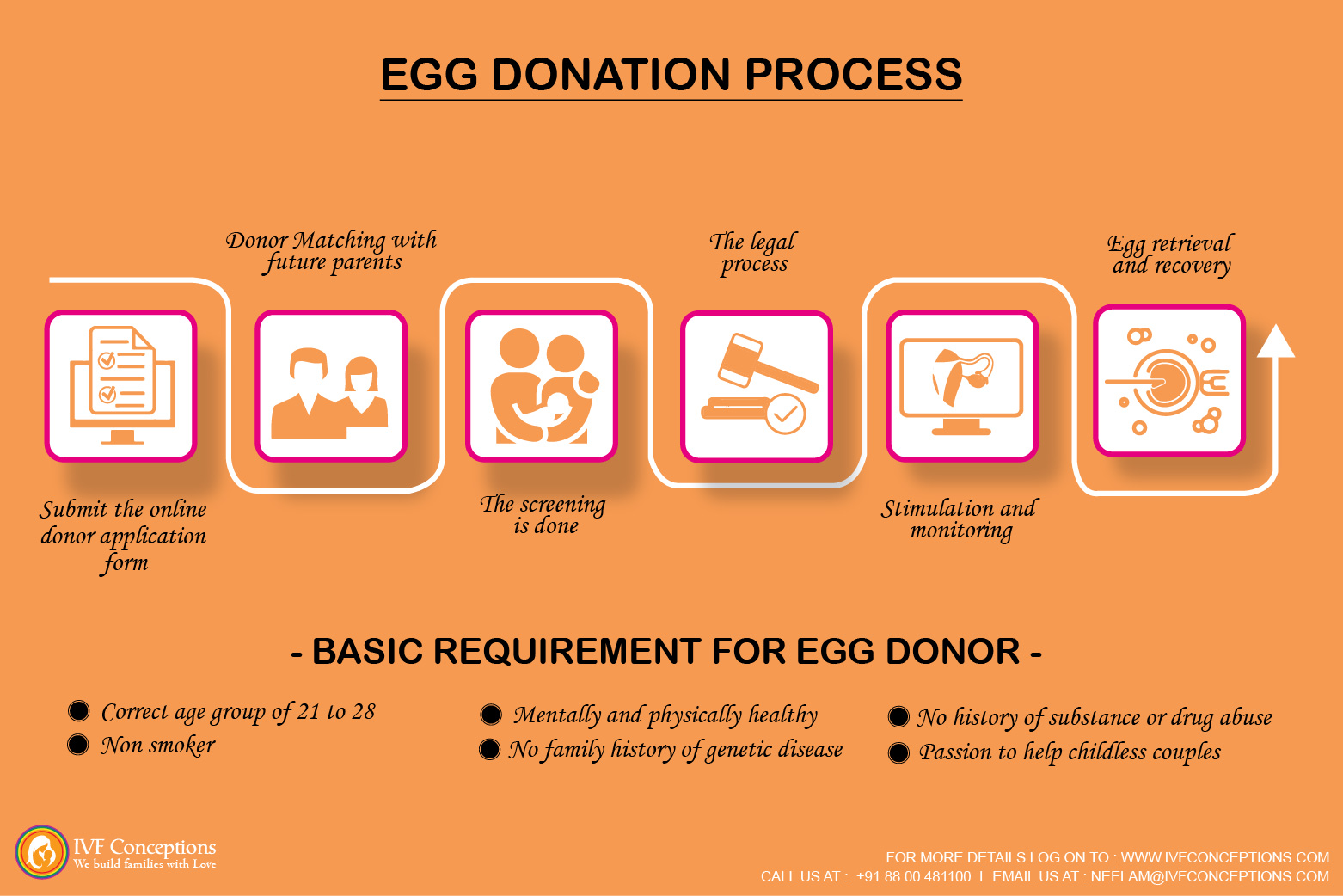
Egg Donation in International Surrogacy
Egg donation is a key part of many international surrogacy journeys, especially for single men, gay couples, and women with fertility challenges. Egg donors undergo medical and psychological screening before IVF. Donor selection, fresh versus frozen eggs, and legal rights vary by country.
Understanding how egg donation works helps improve success rates and ensures compliance with local regulations.
Why is an egg donor needed in international surrogacy?
An egg donor is needed when the intended mother cannot provide viable eggs or when there is no female partner. The donor’s eggs are fertilized through IVF and transferred to the surrogate.
Learn more about why egg donors are needed in surrogacy.
How do you choose the right egg donor?
Parents typically review donor profiles, including medical history, education, physical traits, and sometimes personal interests. Medical screening and genetic testing ensure safety and compatibility.
Learn more about choosing the right egg donor.
What is the difference between fresh and frozen egg donors?
Fresh egg donation involves coordinating the donor’s cycle with IVF, while frozen eggs are retrieved and stored in advance. Frozen eggs offer flexibility, while fresh cycles may provide more eggs per retrieval.
Learn more about fresh vs frozen egg donation.
How much does egg donation cost in international surrogacy?
Costs include donor compensation, medications, medical screening, egg retrieval, and IVF lab fees. Prices vary depending on country and donor type.
Learn more about egg donation costs in international surrogacy.
Are egg donors anonymous or known?
Some countries allow anonymous donors only, while others permit known or open-identity donation. Laws determine whether future contact is possible.
Learn more about anonymous vs known egg donors.
What medical tests are done for egg donors?
Egg donors undergo blood tests, infectious disease screening, hormone evaluation, genetic carrier testing, and psychological assessment before approval.
Learn more about medical screening for egg donors.
Can intended parents choose egg donor ethnicity or traits?
In many programs, intended parents can select donor characteristics such as ethnicity, physical features, and education level. Availability depends on clinic policies and local laws.
Learn more about choosing egg donor traits.
What legal rights does an egg donor have?
In most structured programs, egg donors waive parental rights through signed legal agreements. However, legal frameworks vary by country.
Learn more about egg donor legal rights.
How many eggs are usually retrieved from a donor cycle?
The number of eggs retrieved varies, but a typical cycle may produce multiple mature eggs for fertilization. Not all retrieved eggs result in viable embryos.
Learn more about egg retrieval numbers in donor cycles.
Can you use an egg donor from your home country for international surrogacy?
In some cases, eggs or embryos can be transported internationally with proper medical and legal documentation. Coordination between clinics is required.
Learn more about using an egg donor from your home country.
📞 Get in Touch for a Free Surrogacy Consultation
📱 +91-8800481100 (WhatsApp | LINE | Viber)
📧 neelam@ivfconceptions.com
🌐 www.ivfconceptions.com

Emotional, Psychological, and Relationship Considerations
International surrogacy is not only a medical and legal journey — it is an emotional one. Waiting periods, long-distance communication, legal steps, and medical uncertainty can all create stress. Preparing emotionally helps you stay balanced and confident throughout the process.
How to cope with uncertainty during surrogacy?
Uncertainty is normal during surrogacy. You may worry about embryo transfer results, legal timelines, or travel plans.
To manage this
- Focus on what you can control
- Avoid constant online comparisons
- Ask your clinic for clear timeline updates
- Build a strong support system
- Set realistic expectations
There will be waiting periods, especially after embryo transfer or during documentation. Delays do not always mean problems.
Learn more about this topic: Coping with Uncertainty During Surrogacy
How to build a healthy relationship with your surrogate?
A respectful relationship with your surrogate creates a smoother journey.
Healthy communication includes
- Clear expectations from the beginning
- Regular but comfortable updates
- Respect for boundaries
- Appreciation and gratitude
Learn more about this topic: Building a Healthy Surrogate Relationship
Should you maintain contact after birth?
Post-birth contact depends on prior agreement and personal preference.
Some families
- Share occasional updates
- Send milestone photos
- Stay connected yearly
- Gradually reduce contact
It is best to discuss expectations about future contact early to avoid misunderstandings later.
Learn more about this topic: Surrogate Contact After Birth
How to prepare siblings for a surrogacy baby?
Children need simple, honest explanations.
You can
- Explain that another woman is helping carry the baby
- Reassure them about your love and stability
- Encourage questions
- Involve them in small preparations
Learn more about this topic: Preparing Children for a Surrogacy Baby
Managing expectations during long delays
International surrogacy often includes waiting periods — matching, medical steps, or embassy processing.
To manage stress
- Expect timelines to shift
- Avoid comparing your case to others
- Plan flexibility into work and travel
- Keep financial reserves for extensions
Patience is important. Delays are common and do not automatically signal failure.
A realistic mindset protects your emotional stability.
Learn more about this topic: Managing Surrogacy Delays
Handling failed transfers emotionally
Failed embryo transfers can be deeply disappointing. It’s normal to feel sadness or frustration.
Remember
- IVF success is not guaranteed
- Multiple transfers are common
- Medical adjustments can improve results
Take time to process emotions before rushing into the next step. Speak with your doctor about what can be improved.
Learn more about this topic: Coping After Failed Embryo Transfer
Mental health support for intended parents
Surrogacy can create anxiety, stress, and relationship pressure.
Support options include
- Fertility counseling
- Couples therapy
- Surrogacy support groups
- Peer communities
Seeking help is a proactive step, not a weakness. Professional support can improve decision-making and emotional resilience.
Learn more about this topic: Mental Health Support During Surrogacy
📞 Get in Touch for a Free Surrogacy Consultation
📱 +91-8800481100 (WhatsApp | LINE | Viber)
📧 neelam@ivfconceptions.com
🌐 www.ivfconceptions.com

Start Planning Your International Surrogacy Journey
Starting international surrogacy can feel overwhelming. There are medical, legal, financial, and emotional decisions to make — and every country has different rules. Getting the right guidance early can prevent costly mistakes and unnecessary delays.
How can we help you compare countries based on your situation?
Every family is different — single parents, married couples, same-sex couples, or parents with frozen embryos.
We provide
- Personalized country comparison
- Legal pathway review
- Risk analysis
- Timeline expectations
- Cost breakdown clarity
This helps you choose confidently, based on facts — not marketing claims.
Learn more about this topic: Personalized Surrogacy Country Comparison
When should you book a private surrogacy consultation?
The best time to speak with an expert is before you sign with any clinic or agency.
A private consultation helps you
- Understand risks
- Avoid legal mistakes
- Get clarity on documentation
- Plan your timeline properly
- Protect your investment
Early guidance can save months of delay and significant financial stress.
Learn more about this topic. Book a Private Surrogacy Consultation
📞 Get in Touch for a Free Surrogacy Consultation
📱 +91-8800481100 (WhatsApp | LINE | Viber)
📧 neelam@ivfconceptions.com
🌐 www.ivfconceptions.com