
Can Diet Help Manage Polycystic Ovarian Syndrome

Approximately 15-18% of women of reproductive age are affected by Polycystic Ovary Syndrome (PCOS), a condition that goes beyond reproductive issues, influencing overall health and well-being. PCOS is characterized by hormonal imbalances, leading to irregular periods, ovarian cysts, and metabolic complications that increase the risk for serious health conditions, including diabetes and cardiovascular disease. Many women with PCOS also experience insulin resistance, further complicating their symptoms.
Emerging research suggests that diet plays a crucial role in managing PCOS symptoms and reducing associated health risks. This article will explore how specific dietary patterns can affect hormone levels, insulin resistance, and inflammation, providing women with practical strategies for improving their health outcomes.
Key Takeaways
- PCOS affects a significant percentage of women of reproductive age.
- Dietary modifications can help manage PCOS symptoms.
- Specific dietary patterns can impact hormone levels and insulin resistance.
- Managing PCOS through diet can reduce associated health risks.
- A well-planned diet is crucial for women with PCOS to improve their overall health.
📞 Get in Touch for a Free Surrogacy Consultation
📱 +91-8800481100 (WhatsApp | LINE | Viber)
Related surrogacy Costs guides:
What is the average surrogacy cost?
How much does surrogacy cost in Ukraine?
How much does surrogacy cost in Georgia?
How much does surrogacy cost in India?
What is the Surrogacy Cost in Colombia?
What is the Surrogacy cost in Mexico?
What is the surrogacy cost with family members?
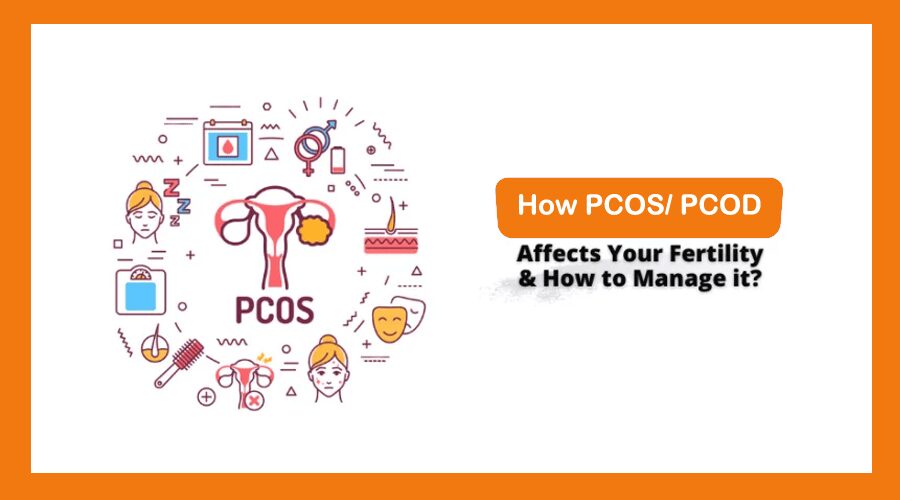
Understanding PCOS and Its Metabolic Impact
Understanding PCOS and its metabolic impact is crucial for managing its symptoms and reducing the risk of associated health concerns. PCOS is a condition that affects many aspects of a woman’s health, extending beyond reproductive issues to significantly impact metabolic health.
What Is Polycystic Ovarian Syndrome?
Polycystic Ovarian Syndrome (PCOS) is a complex endocrine disorder that affects women of reproductive age. It is characterized by a combination of symptoms, including irregular menstrual cycles, cysts on the ovaries, and often, hyperandrogenism (excess male hormone levels). The exact cause of PCOS is unknown, but it is believed to involve a combination of genetic and environmental factors.
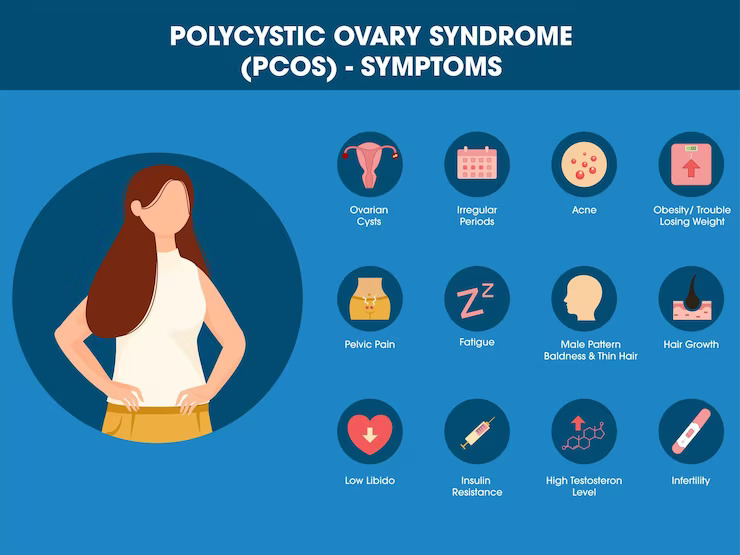
Many women with PCOS experience a range of symptoms that can vary widely in severity and impact. These symptoms can include irregular or absent menstrual periods, difficulty conceiving, excess facial and body hair growth (hirsutism), acne, and scalp hair thinning or loss. The variability and severity of these symptoms can make diagnosis and management challenging.
The Hormonal Imbalance in PCOS
A key feature of PCOS is hormonal imbalance, particularly the elevated levels of androgens (male hormones) and insulin resistance. This imbalance disrupts ovulation and leads to many of the symptoms associated with PCOS. Insulin resistance, where the body’s cells become less responsive to insulin, is also common and can increase the risk of developing type 2 diabetes.
The hormonal imbalance in PCOS can lead to various metabolic issues. For instance, insulin resistance is closely linked to an increased risk of cardiovascular diseases and metabolic syndrome. Managing this imbalance is crucial for reducing the long-term health risks associated with PCOS.
Common Symptoms and Health Risks
Women with PCOS are at a higher risk for several health issues. Common symptoms include:
- Weight gain, particularly around the abdomen, can be resistant to traditional weight loss methods due to underlying metabolic dysfunction.
- Sleep disturbances, including sleep apnea, can further exacerbate metabolic issues and fatigue.
- Increased risk of developing type 2 diabetes, cardiovascular disease, and endometrial cancer.
- Mental health conditions such as depression and anxiety.
These symptoms and health risks highlight the importance of comprehensive management strategies for PCOS, with a focus on diet and lifestyle changes to mitigate these risks.
Additional Fertility guides:
How to Improve Your Chances Of Getting Pregnant ( 9 Top Tips)
How Long It Take to Get Pregnant- TTC Tips
Signs of Male and Female Infertility and Treatment Options
Infertility In Elderly Women- A Comprehensive Guide

The Connection Between PCOS and Metabolism
PCOS is not just a reproductive disorder; it has far-reaching metabolic consequences that need to be addressed. Women with PCOS are at a higher risk of developing metabolic syndrome, a cluster of conditions that increase the risk of heart disease, stroke, and type 2 diabetes.
Insulin Resistance: The Key Factor
Insulin resistance is a key metabolic factor in PCOS, affecting a significant proportion of women with the condition. It is characterized by the body’s cells becoming less responsive to insulin, leading to elevated blood glucose levels. Insulin resistance is closely linked to the development of type 2 diabetes and is a major contributor to the metabolic complications associated with PCOS.
Research has shown that insulin resistance in PCOS is not just a result of obesity, although obesity can exacerbate the condition. Even women with PCOS who are not overweight can experience insulin resistance, highlighting the complex interplay between PCOS and metabolic health.
Inflammation and Oxidative Stress
Inflammation and oxidative stress are also significant metabolic factors in PCOS. Chronic low-grade inflammation is common in women with PCOS and is associated with insulin resistance and other metabolic disturbances. Oxidative stress, which occurs when the body’s antioxidant defenses are overwhelmed by free radicals, can further exacerbate these metabolic issues.
The interplay between inflammation, oxidative stress, and metabolic health in PCOS is complex. Studies have shown that women with PCOS have higher levels of inflammatory markers and oxidative stress indicators, which can contribute to the development of long-term health complications.
| Metabolic Factor | Impact on PCOS | Potential Consequences |
| Insulin Resistance | Worsens the hormonal imbalance | Type 2 Diabetes, Cardiovascular Disease |
| Inflammation | Exacerbates insulin resistance | Metabolic Syndrome, Cardiovascular Disease |
| Oxidative Stress | Contributes to metabolic disturbances | Long-term health complications, including cardiovascular disease |
The Role of Body Weight in PCOS
Body weight plays a significant role in PCOS, with a substantial proportion of women experiencing overweight or obesity. According to research from 2019, between 33% to 83% of people living with PCOS also have overweight or obesity. Excess body weight, particularly visceral fat, can worsen insulin resistance and metabolic health, creating a vicious cycle that exacerbates PCOS symptoms.
Even modest weight loss of 5-10% can significantly improve PCOS symptoms, restore ovulation, and enhance fertility in women who are overweight. This highlights the importance of weight management as part of a comprehensive approach to PCOS care.
Does Diet Help in Treating Polycystic Ovarian Syndrome?
Dietary modifications are increasingly recognized as a key component in the management of Polycystic Ovarian Syndrome (PCOS). This condition affects many women of reproductive age, causing a range of symptoms including irregular menstrual cycles, cysts on the ovaries, and hormonal imbalances. While medication and lifestyle changes are often recommended, dietary interventions have emerged as a crucial aspect of PCOS management.
Scientific Evidence for Dietary Interventions
Research has shown that dietary choices can significantly impact PCOS symptoms. Women with PCOS often have higher insulin levels, which can be managed through dietary changes. Insulin is a hormone produced by the pancreas that helps cells turn sugar (glucose) into energy. When you have insulin resistance, your body can’t effectively use the insulin it produces, leading to higher blood sugar levels.
Studies have highlighted the importance of carbohydrate quality and quantity in managing insulin secretion. High glycemic foods cause rapid spikes in blood glucose, triggering excessive insulin release. This, in turn, can stimulate androgen production in the ovaries and reduce sex hormone-binding globulin (SHBG) levels, exacerbating PCOS symptoms.
- Dietary fats influence hormone production and metabolism, with saturated fats potentially promoting inflammation and insulin resistance.
- Omega-3 fatty acids, on the other hand, have anti-inflammatory effects that may improve hormonal balance.
- Protein intake affects satiety hormones, helping regulate appetite and support healthy weight management.

How Nutrition Affects Hormone Levels
Nutrition plays a critical role in hormone regulation in women with PCOS. The quality of dietary carbohydrates is particularly important, as it directly impacts insulin secretion and glucose metabolism. Consuming low glycemic index foods can help manage blood sugar levels and improve insulin sensitivity.
Moreover, certain micronutrients such as vitamin D, magnesium, and chromium are essential for insulin signaling and glucose metabolism. Deficiencies in these nutrients can exacerbate hormonal imbalances in PCOS. Ensuring adequate intake of these micronutrients through diet or supplementation can be beneficial.
By making informed dietary choices, women with PCOS can better manage their symptoms and improve their overall health. A balanced diet that takes into account the specific nutritional needs associated with PCOS can be a powerful tool in managing this condition.
Best Dietary Approaches for PCOS Management
PCOS management can be significantly supported through targeted dietary interventions. Women with PCOS often experience a range of symptoms, including hormonal imbalances, insulin resistance, and inflammation, all of which can be influenced by dietary choices. By adopting a diet that addresses these underlying issues, individuals can better manage their symptoms and improve their overall health.
The Mediterranean Diet for PCOS
The Mediterranean diet is frequently recommended for women with PCOS due to its balanced composition and numerous health benefits. This dietary pattern emphasizes whole grains, fruits, vegetables, lean proteins, and healthy fats, such as those found in olive oil. By focusing on whole, unprocessed foods, the Mediterranean diet helps reduce inflammation and improve insulin sensitivity, both of which are crucial for managing PCOS.
Key components of the Mediterranean diet include:
- High consumption of fruits and vegetables
- Use of olive oil as a primary source of fat
- Inclusion of lean protein sources like poultry and fish
- Whole grains instead of refined carbohydrates
Low-Glycemic-Index Eating Plan
A low glycemic index (GI) diet is another effective approach for managing PCOS. This eating plan focuses on consuming foods that have a low GI, meaning they cause a gradual increase in blood sugar levels rather than a sharp spike. Low GI foods include whole grains, most fruits and vegetables, and lean proteins. By stabilizing blood sugar levels, a low GI diet can help improve insulin sensitivity and reduce androgen levels, both of which are beneficial for women with PCOS.
| Food Category | High GI Examples | Low GI Examples |
| Breads | White bread, bagels | Whole grain bread, rye bread |
| Fruits | Ripe bananas, watermelon | Apples, berries |
| Grains | White rice, instant oats | Brown rice, steel-cut oats |
Ketogenic Diet and PCOS
The ketogenic diet, a high-fat, low-carbohydrate eating plan, has gained attention for its potential benefits in managing PCOS. By drastically reducing carbohydrate intake, the ketogenic diet can help improve insulin sensitivity and promote weight loss, both of which are beneficial for women with PCOS. However, it’s essential to approach this diet with caution and under the guidance of a healthcare professional, as it may not be suitable for everyone.
“The ketogenic diet has been shown to improve insulin sensitivity and reduce androgen levels in women with PCOS, making it a potentially valuable dietary approach for managing the condition.”
Anti-Inflammatory Eating Patterns
Given that inflammation is a common issue in PCOS, adopting an anti-inflammatory diet can be particularly beneficial. This eating pattern focuses on consuming foods rich in antioxidants, polyphenols, and omega-3 fatty acids, such as fatty fish, nuts, and colorful vegetables. By reducing systemic inflammation, an anti-inflammatory diet can help alleviate PCOS symptoms and improve overall health.
Examples of anti-inflammatory foods include:
- Fatty fish like salmon and sardines
- Nuts and seeds, such as almonds and walnuts
- Colorful vegetables like tomatoes and leafy greens
- Fruits rich in antioxidants, such as blueberries and strawberries

Foods to Include in Your PCOS Diet
The right dietary choices can make a significant difference in managing PCOS, with certain foods offering benefits for hormone regulation, insulin sensitivity, and inflammation reduction. When it comes to creating a diet plan for PCOS, focusing on whole, nutrient-dense foods is crucial.
High-Fiber Foods and Complex Carbohydrates
Incorporating high-fiber foods and complex carbohydrates into your diet can help manage PCOS symptoms. These foods are rich in fiber, vitamins, and minerals, and can help regulate blood sugar levels and improve insulin sensitivity. Examples include whole grains like brown rice, quinoa, and whole-wheat bread, as well as fruits and vegetables such as berries, leafy greens, and broccoli.
Lean Proteins and Healthy Fats
Lean proteins and healthy fats are also essential components of a PCOS-friendly diet. Lean proteins like poultry, fish, and legumes can help regulate blood sugar and provide a feeling of fullness, reducing the likelihood of overeating. Healthy fats, found in foods like avocados, nuts, and olive oil, support hormone production and overall health.
Anti-Inflammatory Foods
Chronic inflammation is a common issue in PCOS, and dietary choices can play a significant role in managing it. Anti-inflammatory foods such as turmeric, ginger, and green tea can help reduce inflammation and improve overall health. Other anti-inflammatory foods include fatty fish, which are rich in omega-3 fatty acids.
Omega-3 Rich Foods
Omega-3 fatty acids are particularly beneficial for women with PCOS due to their anti-inflammatory properties. Fatty fish like salmon, mackerel, and sardines are rich in EPA and DHA, the most bioavailable forms of omega-3s. For those who prefer plant-based sources, flaxseeds, chia seeds, and walnuts are good alternatives, providing alpha-linolenic acid (ALA) that the body can partially convert to EPA and DHA.
Research has shown that omega-3 supplementation can increase sex hormone-binding globulin (SHBG) levels, helping to reduce free testosterone and its associated symptoms. Including omega-3-rich foods in your diet may also improve insulin sensitivity and support cardiovascular health.
| Food | Omega-3 Content | Benefits for PCOS |
| Salmon | High in EPA and DHA | Reduces inflammation, supports heart health |
| Flaxseeds | Rich in ALA | Supports hormone balance, improves insulin sensitivity |
| Walnuts | Good source of ALA | Anti-inflammatory effects, supports brain health |
Foods to Limit or Avoid with PCOS
A key aspect of managing PCOS is understanding which foods to limit or avoid to mitigate its metabolic impact. By making informed dietary choices, you can significantly improve your overall health and reduce the severity of PCOS symptoms.
Refined Carbohydrates and Sugars
Refined carbohydrates and sugars are particularly problematic for women with PCOS. These foods cause a spike in blood sugar and insulin levels, exacerbating insulin resistance, a common issue in PCOS. Limiting foods like white bread, sugary snacks, and sweetened beverages can help manage insulin levels and improve metabolic health.
Inflammatory Foods
Certain foods can trigger or increase inflammation in the body, which is particularly concerning for women with PCOS, as they are already at a higher risk of chronic inflammation. Processed meats, fried foods, and foods high in saturated and trans fats are examples of inflammatory foods that should be consumed in moderation or avoided.
Beverages to Avoid
Beverages can be a significant source of hidden sugars and calories. Sugary drinks like sodas, fruit juices, and sweetened teas are particularly detrimental due to their high sugar content and lack of nutritional value. Additionally, alcoholic beverages can disrupt blood glucose regulation and hormone metabolism, further complicating PCOS management. Consider replacing these with water, unsweetened tea, or black coffee to improve your metabolic health.
As noted by health experts, “Replacing sugar-sweetened beverages with healthier alternatives can significantly improve metabolic health in women with PCOS.” By being mindful of your beverage choices, you can take a significant step towards managing your PCOS symptoms.
- Sugary beverages like sodas and sweetened teas can trigger significant insulin spikes.
- Alcoholic beverages can disrupt blood glucose regulation and hormone metabolism.
- Energy drinks containing caffeine and sugar can exacerbate hormonal imbalances.
The Gut Microbiome and PCOS
Emerging evidence suggests that the gut microbiome plays a crucial role in the development and management of PCOS. The gut microbiome is composed of trillions of microorganisms that live in the gastrointestinal tract and influence various bodily functions, including metabolism and hormone regulation.
Impact of Gut Health on PCOS Symptoms
The health of the gut microbiome is closely linked to PCOS symptoms. Dysbiosis, or an imbalance in the gut microbiota, has been observed in women with PCOS. This imbalance can lead to insulin resistance, a key factor in the metabolic complications associated with PCOS.
Research has shown that the gut microbiota influences glucose metabolism through the production of short-chain fatty acids (SCFAs). SCFAs, such as acetate and butyrate, are produced by beneficial gut bacteria and can improve insulin sensitivity and reduce inflammation.
Probiotics and Prebiotics for PCOS Management
Modulating the gut microbiome through probiotics and prebiotics may offer a promising approach to managing PCOS symptoms. Probiotics are live beneficial bacteria that can help restore balance to the gut microbiome. Research indicates that probiotic supplementation, particularly with Lactobacillus and Bifidobacterium strains, may improve insulin sensitivity, reduce testosterone levels, and decrease inflammatory markers in women with PCOS.
- Probiotics can help restore balance to the gut microbiome, with specific strains showing promise for improving PCOS symptoms.
- Prebiotics, such as inulin and fructooligosaccharides (FOS), feed beneficial gut bacteria, promoting a healthy gut environment.
- Fermented foods like yogurt, kefir, and sauerkraut provide natural sources of probiotics that can be incorporated into a PCOS-friendly diet.
Conclusion
By understanding the impact of diet and lifestyle on Polycystic Ovary Syndrome (PCOS), women can take proactive steps towards better health. Managing PCOS effectively requires a multifaceted approach that includes dietary changes, regular physical activity, stress management, and quality sleep.
Diet plays a crucial role in managing PCOS, with evidence supporting nutritional approaches that improve insulin sensitivity and reduce inflammation. The most effective dietary patterns include the Mediterranean diet, low glycemic index eating plans, and anti-inflammatory approaches that emphasize whole foods while limiting refined carbohydrates and inflammatory fats.
While no single diet works for all women with PCOS, common principles such as emphasizing nutrient-dense whole foods, balancing blood sugar, and supporting gut health provide a foundation for personalized approaches. Complementary lifestyle factors work synergistically with dietary changes to improve PCOS outcomes.
📞 Get in Touch for a Free Surrogacy Consultation
📱 +91-8800481100 (WhatsApp | LINE | Viber)

FAQs for PCOS and infertility
What dietary changes can help manage Polycystic Ovarian Syndrome (PCOS) symptoms?
Focusing on whole, unprocessed foods like vegetables, lean proteins, and healthy fats can help alleviate symptoms. Incorporating foods rich in omega-3 fatty acids, such as fish, and choosing low glycemic index carbohydrates can also be beneficial.
How does insulin resistance relate to PCOS, and can diet help?
Insulin resistance is a key factor in PCOS, contributing to hormonal imbalance and metabolic issues. A diet that regulates blood sugar levels, such as a low glycemic index eating plan, can help improve insulin sensitivity and manage PCOS symptoms.
Are there specific foods that can worsen PCOS symptoms?
Yes, consuming high amounts of refined carbohydrates, sugars, and inflammatory foods can exacerbate PCOS symptoms. Limiting or avoiding these foods can help manage the condition.
Can weight loss help alleviate PCOS symptoms, and how can diet support this?
Weight loss can significantly improve PCOS symptoms, particularly when achieved through a combination of a healthy diet and regular physical activity. Focusing on sustainable, long-term lifestyle changes rather than quick fixes is crucial.
How does the gut microbiome impact PCOS, and can dietary changes help?
The gut microbiome plays a role in PCOS symptoms, with an imbalance potentially contributing to inflammation and metabolic issues. Incorporating probiotics and prebiotics into your diet can help support gut health.
Are there any specific diets recommended for managing PCOS?
Diets such as the Mediterranean diet, low glycemic index eating plans, and anti-inflammatory diets have been shown to be beneficial in managing PCOS symptoms. The ketogenic diet may also be helpful for some women, though it’s essential to consult with a healthcare professional before making significant dietary changes.
How important is physical activity in managing PCOS, and what types of exercise are recommended?
Regular physical activity is crucial for managing PCOS symptoms, improving insulin sensitivity, and supporting overall health. A combination of aerobic exercise, strength training, and flexibility exercises is recommended.
Can stress management and sleep quality impact PCOS symptoms?
Yes, high stress levels and poor sleep quality can worsen PCOS symptoms. Engaging in stress-reducing activities and prioritizing good sleep hygiene can be beneficial in managing the condition.
Learn more:
https://en.wikipedia.org/wiki/Polycystic_ovary_syndrome