
How Hormonal Imbalances Affect Fertility in Women and Men
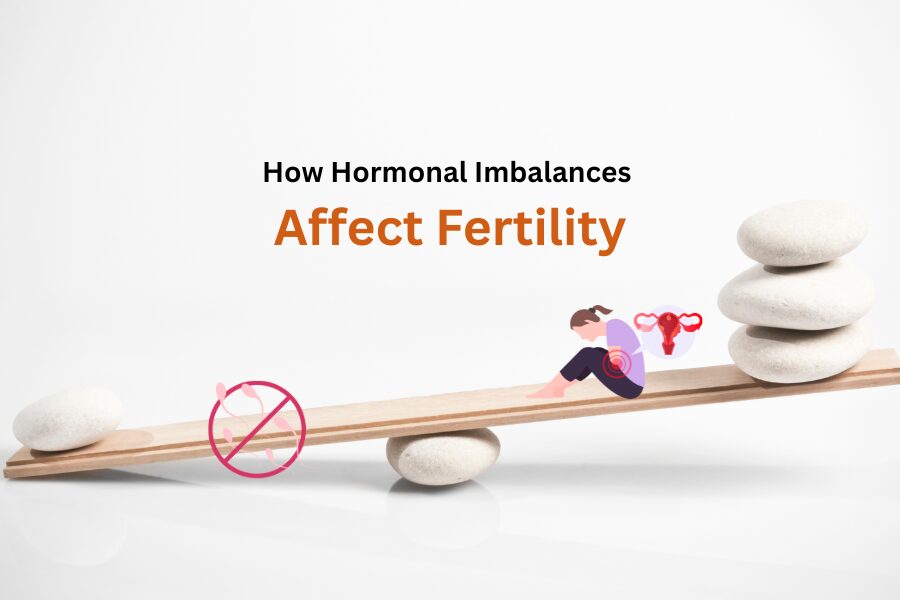
Hormones play a central role in reproductive health, which is why understanding how hormonal imbalances affect fertility in women and men is crucial for anyone trying to conceive. Disruptions in key hormones—such as estrogen, progesterone, testosterone, or thyroid hormones—can interfere with ovulation, sperm production, and overall reproductive function.
In this blog, we’ll break down the most common hormonal imbalances, explain how they impact fertility, and outline effective ways to diagnose and treat them for better family-building outcomes.
Summary Table for Hormonal Imbalance
| Hormone / Condition | Who It Affects | Impact on Fertility | Common Causes | Potential Solutions |
| Estrogen Imbalance | Women | Low estrogen can disrupt ovulation; high estrogen may indicate PCOS or other disorders. | Age, stress, certain medications, obesity, or low body weight. | Lifestyle changes, medications to regulate cycles, fertility drugs. |
| Progesterone Deficiency | Women | Inadequate progesterone affects implantation and early pregnancy support. | Luteal phase defect, thyroid issues, stress. | Progesterone supplementation, treating underlying thyroid or hormonal issues. |
| Polycystic Ovary Syndrome (PCOS) | Women | Excess androgens disrupt ovulation and egg quality. | Genetic, metabolic, or hormonal factors. | Weight management, insulin-sensitizing meds, ovulation induction. |
| Thyroid Imbalance (Hypo-/Hyperthyroidism) | Women & Men | Alters ovulation, sperm count, and hormone regulation. | Autoimmune conditions, iodine deficiency, and medications. | Thyroid hormone therapy, regular monitoring. |
| Testosterone Deficiency (Low T) | Men | Reduces sperm production, libido, and overall reproductive function. | Aging, metabolic issues, stress, and pituitary problems. | Lifestyle adjustments, treating underlying conditions, and hormonal therapy under medical supervision. |
| Hyperprolactinemia (High Prolactin) | Women & Men | Suppresses reproductive hormones, leading to irregular cycles or low sperm production. | Pituitary tumors, certain medications, and stress. | Medications to reduce prolactin (dopamine agonists). |
| Cortisol (Chronic Stress) | Women & Men | Chronic stress hormones interfere with sex hormone balance and ovulation/spermatogenesis. | High stress, sleep deprivation, and medical conditions. | Stress management, therapy, lifestyle changes. |
Key Takeaways
- Hormonal imbalances affect fertility in both women and men.
- Approximately 15% of couples struggle with infertility due to hormonal factors.
- Understanding hormonal regulation is essential for addressing fertility challenges.
- Key hormones play a vital role in reproductive health.
- Common symptoms can indicate underlying hormonal issues impacting fertility.
- Knowledge of treatment options empowers those facing fertility challenges.
📞 Get in Touch for a Free Surrogacy Consultation
📱 +91-8800481100 (WhatsApp | LINE | Viber)
🌐 www.georgiasurrogacyagency.com
Additional Resources:
How Much Does Surrogacy Cost Using a Family Member
Can My Insurance Provider Pay My Surrogacy Costs?
How Much Does Surrogacy Cost in the USA?
Surrogacy Costs Breakdown for Intended Parents

How Hormonal Imbalances Affect Fertility in Women and Men
Understanding Hormonal Imbalance
Hormonal imbalances happen when hormone levels in the body are off. This can mean too much, too little, or the wrong mix. Hormones are key for things like metabolism, growth, and reproduction. Knowing about fertility hormones helps us see how small changes can affect health, like making it hard to get pregnant.
Definition and Importance
Hormonal imbalance can cause many problems. The body makes over 50 hormones, each important for different functions. Issues like infertility can come from hormonal problems. Learning about hormonal balance is the first step to understanding fertility and health.
How Hormones Regulate Reproductive Health
Hormones are vital for fertility. In women, estrogen and progesterone control the menstrual cycle and ovulation. In men, testosterone is essential for sperm production. When these hormones are out of balance, it can make getting pregnant harder.
Key Hormones Related to Fertility
Hormones play a big role in our ability to have children. It’s important for both men and women to know about these hormones. Hormones like FSH, LH, estrogen, progesterone, and testosterone help our bodies work right.
Overview of Fertility Hormones
Hormones are key for healthy reproduction. In women, estrogen and progesterone help with the menstrual cycle and egg growth. For men, testosterone is vital for making sperm and keeping reproductive health strong.
When hormone levels get out of balance, it can make it hard to get pregnant. This is why knowing about fertility hormones is so important.
Importance of Estrogen and Progesterone
Estrogen and progesterone are super important for getting pregnant. They help control the menstrual cycle and get the uterus ready for a baby. If these levels are off, it can lead to trouble getting pregnant.
Checking hormone levels can help find the right treatment. This is key for those dealing with issues related to these hormones.
Role of Testosterone in Male Reproduction
Testosterone is the main hormone for men’s fertility. It helps with sperm production and quality. Without enough testosterone, fertility can be affected.
Understanding testosterone’s role is important. It helps address issues related to male fertility hormones. This can greatly impact a man’s ability to have children.
How Hormonal Imbalances Affect Fertility in Women and Men
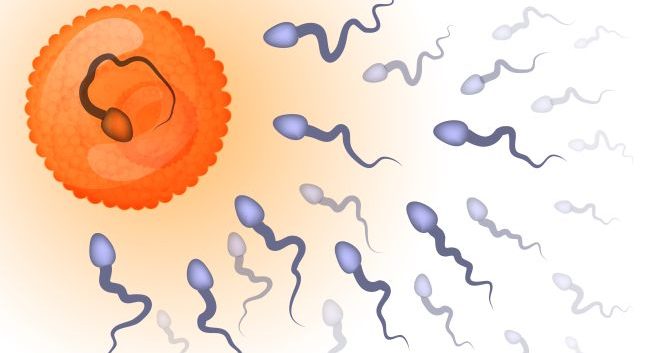
It’s key to know how hormonal imbalances affect fertility. These issues can mess up both men’s and women’s ability to have kids. It’s vital to understand how these changes affect each gender differently.
Impact on Women’s Reproductive Cycles
Hormonal changes can really mess with women’s cycles. They might stop ovulation, leading to problems like PCOS or no periods at all. This makes it hard to get pregnant. Finding out why these problems happen is the first step to fixing them.
Effects of Hormonal Disorders on Male Fertility
Men face fertility issues too. Low testosterone can slow down sperm production. High estrogen levels in men can also hurt their chances of getting someone pregnant. Fixing these problems early can help men keep their fertility.
Common Causes of Hormonal Imbalances
Understanding the root of hormonal imbalances is key to solving issues like infertility. Many health conditions and lifestyle factors disrupt hormonal balance.
Health Conditions Contributing to Disruption
Several health conditions can cause hormonal imbalances. Thyroid disorders, adrenal gland dysfunction, and tumors in hormone-producing organs affect hormonal regulation. Polycystic ovary syndrome (PCOS) is a major cause of hormonal imbalances, mainly affecting women’s reproductive health.
Effects of Stress and Lifestyle on Hormonal Levels
Stress’s impact on hormones is significant. Chronic stress can lead to hormone fluctuations, worsening existing issues. Lifestyle choices also play a big role in hormonal health. A poor diet, not enough sleep, and little exercise can disrupt hormones. A healthy lifestyle can help maintain hormonal balance and improve fertility.
| Health Conditions | Impact on Hormonal Levels |
| Thyroid Disorders | Can lead to hypothyroidism or hyperthyroidism, disrupting overall hormonal balance. |
| Adrenal Dysfunction | May cause imbalances in cortisol and other important hormones, affecting stress response. |
| PCOS | Associated with elevated androgen levels, negatively impacting fertility. |
| Hormone-Producing Tumors | Can cause excessive hormone production, leading to various reproductive and metabolic issues. |

Signs and Symptoms of Hormonal Imbalance
It’s important for both women and men to know the signs of hormonal imbalance. Spotting these early can lead to quicker treatment. Hormonal issues can affect reproductive health in big ways. Knowing the symptoms helps in getting the right help.
Common Symptoms in Women
Women with hormonal imbalances often notice specific symptoms. Being aware of these signs is key to tackling issues that might affect fertility. Some common symptoms are:
- Irregular or absent menstrual periods
- Heavy menstrual flow
- Changes in weight, either gain or loss
- Acne or skin changes
- Difficulty in conceiving or infertility issues
These symptoms can vary in severity. They can impact both physical and emotional health.
Male Hormonal Imbalance Symptoms
Men with hormonal imbalances show different symptoms that need attention. Symptoms in men may include:
- Low libido or decreased sexual desire
- Erectile dysfunction
- Reduced muscle mass and strength
- Gynecomastia (enlarged breast tissue)
Spotting these symptoms is key for men to tackle underlying issues. This can improve fertility and overall health.
Read more:
Female Infertility- Causes, Symptoms, And Treatments
Can Acupuncture Treat Infertility? Your Guide to Fertility Treatment
What Are The Causes Of Male Infertility And How To Manage It
Diagnosing Hormonal Imbalances
Figuring out hormonal imbalances needs careful and detailed methods for accurate results. There are many ways to check reproductive hormone levels. The right test is key to understanding fertility.
Testing Methods for Hormonal Levels
Here are some ways to test hormone levels:
- Blood Tests: Very accurate for checking hormones like FSH, LH, estradiol, and testosterone.
- Urine Tests: Good for seeing hormone changes over time.
- Saliva Tests: Easy and show what hormones are active in the body.
These tests help doctors find out if hormones are too high or too low. This helps create treatment plans that fit each person’s needs.
The Role of Fertility Hormone Testing
Fertility hormone testing is very important for checking reproductive health. It looks at key hormones to spot problems. The tests check levels of:
- Follicle-Stimulating Hormone (FSH)
- Luteinizing Hormone (LH)
- Testosterone
By finding imbalances, doctors can suggest the right treatments. This makes care more personal. Knowing about hormone levels helps couples find ways to improve their chances of getting pregnant.
Treatment Options for Hormonal Imbalances
Fixing hormonal imbalances needs a mix of lifestyle changes and medical help. Knowing how to keep hormones balanced is key for those facing issues. Making lifestyle changes can greatly improve reproductive health.
Lifestyle Modifications for Better Hormonal Health
Changing your lifestyle can greatly help balance hormones. Important steps include:
- Nutrition: Eating a balanced diet full of nutrients is vital. Foods rich in healthy fats, fiber, and antioxidants are great.
- Exercise: Regular exercise helps keep weight in check and can boost hormone levels, helping with fertility.
- Stress Management: Stress can mess with hormones. Using meditation, yoga, or deep breathing can help manage stress.
- Weight Management: Keeping a healthy weight is essential. Too much weight can disrupt hormone balance.
Medications and Hormonal Therapies
For more specific needs, medications and fertility therapies can be helpful. Common treatments include:
- Ovulation-Inducing Drugs: Drugs like Clomid or Femara help women ovulate, helping with infertility.
- Hormonal Supplements: Supplements for testosterone or estrogen can help those with low hormone levels, improving fertility.
- Thyroid Medications: Medications for thyroid issues can greatly improve hormone balance and fertility.
Conclusion
Understanding how hormonal imbalances impact fertility in both women and men is a crucial step toward enhancing reproductive outcomes. By identifying and treating issues such as thyroid disorders, low progesterone, or testosterone deficiency, couples can often restore healthy cycles, improve egg and sperm quality, and increase their chances of conception.
With proper medical evaluation, lifestyle changes, and targeted therapies, hormonal balance can be achieved—helping pave the way for a successful pregnancy journey.
💫 Why Intended Parents Choose Complete Surrogacy for a Safe, Smooth & Successful Surrogacy Journey:
🌍 Access to multiple surrogacy destinations with 15+ years of international experience
🏥 Partnerships with top-tier fertility clinics and agencies, backed by references from past clients
👩🦱 Diverse egg donor options: Asian, Caucasian, African, Oriental, and more
💸 Transparent and affordable pricing—direct payments with no extra agency fees
🔒 No hidden costs—all charges are agreed upon upfront
🤝 Dedicated case manager for personalized support
📲 Fast, honest, and clear communication throughout
📑 Full legal support for visas, documentation, and baby exit processes
🚚 Assistance with frozen sperm/embryo shipment logistics

FAQ: How Hormonal Imbalances Affect Fertility in Women and Men
How do hormonal imbalances affect fertility in women?
Hormonal imbalances can mess up ovulation in women. This leads to irregular or missing periods. It makes it harder to get pregnant and raises the risk of miscarriage due to low hormone levels like progesterone.
What role do hormones play in male fertility?
In men, hormones like testosterone are key for making sperm and keeping it healthy. Low testosterone can hurt a man’s ability to have kids.
What are the common symptoms of hormonal imbalances for women?
Women often notice irregular or heavy periods, weight changes, acne, and trouble getting pregnant. Spotting these signs early can help get medical help fast.
What lifestyle changes can improve hormonal health related to fertility?
Improving hormonal health can come from eating well, exercising regularly, managing stress, and keeping a healthy weight. These steps can help balance hormone levels.
How are hormonal imbalances diagnosed?
Hormonal imbalances are found through blood and urine tests. These tests check hormone levels like FSH, LH, and testosterone. They give clues about reproductive health.
What are some common causes of hormonal imbalances?
Hormonal imbalances can come from thyroid problems, adrenal issues, tumors, and conditions like PCOS. These issues can really affect reproductive health.
What treatment options are available for hormonal imbalances affecting fertility?
Treatments might include changing your lifestyle, taking special drugs, or hormone therapies. These aim to fix the imbalance and boost fertility chances.
Can stress impact hormonal levels?
Yes, stress can really affect hormone levels. It can lead to more ups and downs in hormones, which can hurt fertility in both men and women.
What testing methods are used for hormonal fertility assessments?
Fertility hormone tests usually involve blood tests. They check hormone levels like FSH, LH, and testosterone. This helps doctors plan the right treatment.
What signs may indicate a hormonal imbalance in men?
In men, signs can be low libido, trouble getting an erection, less muscle, and gynecomastia. These might mean there’s a hormonal problem affecting fertility.
More Resources: