
Surrogacy in India vs Georgia: Which Is Legally Safer?

Surrogacy in India vs Georgia:
Are you pondering international surrogacy and seeking a legally safer path for intended parents? The surrogacy laws worldwide are diverse, making it essential to grasp the legal framework before deciding.
Surrogacy in India and Surrogacy in Georgia stand out as top choices for surrogacy. Each offers unique benefits, yet their legal regulations differ widely. Grasping these distinctions is vital for successfully navigating the surrogacy landscape.
Key Takeaways
- Comparison of surrogacy laws in India and Georgia
- Understanding the legal status of surrogacy in both countries
- Identifying the risks of surrogacy in India and Georgia
- Determining which country is legally safer for intended parents
- Insights into international surrogacy regulations
📞 Get in Touch for a Free Surrogacy Consultation
📱 +91-8800481100 (WhatsApp | LINE | Viber)
📧 neelam@ivfconceptions.com
Why Intended Parents Choose IVF Conceptions for a Safe, Smooth & Successful Surrogacy Journey:
🌍 Access to multiple surrogacy destinations with 15+ years of international experience
🏥 Partnerships with top-tier fertility clinics and agencies, backed by references from past clients
👩🦱 Diverse egg donor options: Asian, Caucasian, African, Oriental, and more
💸 Transparent and affordable pricing—direct payments with no extra agency fees
🔒 No hidden costs—all charges are agreed upon upfront
🤝 Dedicated case manager for personalized support
📲 Fast, honest, and clear communication throughout
📑 Full legal support for visas, documentation, and baby exit processes
Additional guide for International Surrogacy Countries.
https://www.ivfconceptions.com/surrogacy-in-india/
https://www.ivfconceptions.com/surrogacy-in-ukraine/
https://www.ivfconceptions.com/surrogacy-in-georgia/
https://www.ivfconceptions.com/surrogacy-in-mexico/
https://www.ivfconceptions.com/surrogacy-in-usa/
https://www.ivfconceptions.com/surrogacy-in-colombia/
Is surrogacy legal in India
Current Legal Status of Surrogacy in India and Georgia
Exploring surrogacy options requires understanding the legal frameworks in India and Georgia. Both countries have unique laws that significantly influence the surrogacy journey.
Legal Framework for Surrogacy in India
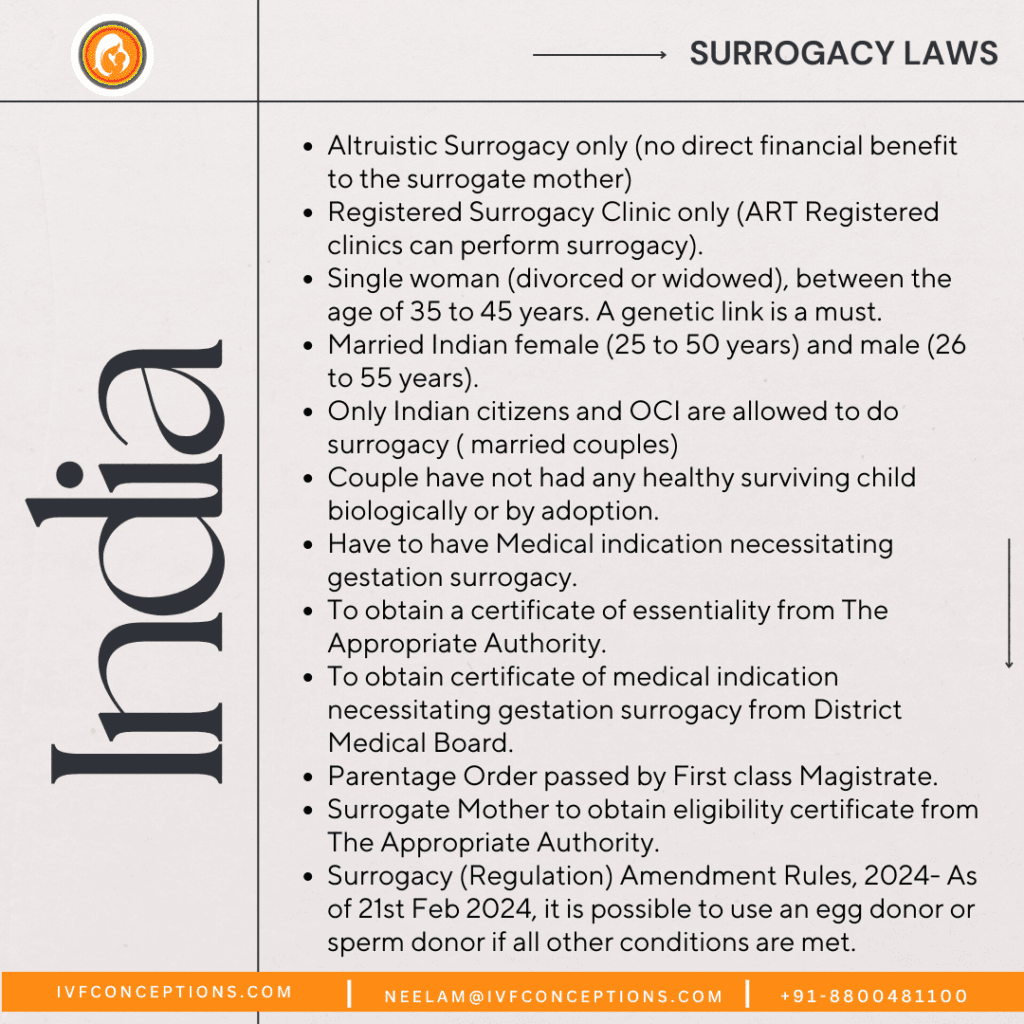
The Surrogacy Regulation Act 2021 governs surrogacy in India. This legislation has reshaped the surrogacy landscape, affecting foreign intended parents. Key points of the Act include:
- Restriction on Commercial Surrogacy: The Act bans commercial surrogacy for foreign couples, allowing altruistic surrogacy under certain conditions.
- Eligibility Criteria: Intended parents must meet specific criteria, such as being married for at least five years and having a medical condition requiring surrogacy.
- Regulatory Authorities: The Act establishes authorities to oversee surrogacy, ensuring compliance with the law.
The Act aims to safeguard the rights of all involved in surrogacy while preventing exploitation. Yet, it has restricted options for foreign intended parents seeking surrogacy in India.
Legal Framework for Surrogacy in Georgia
Georgia offers a more favorable legal environment for surrogacy. Its laws permit commercial surrogacy, attracting intended parents. Key aspects of Georgia’s surrogacy laws include:
- Permissive Surrogacy Laws: Georgian laws allow commercial surrogacy, making the process simpler for intended parents.
- Legal Recognition: Surrogacy arrangements are legally recognized, protecting intended parents’ rights.
- Contract Enforcement: Contracts between intended parents and surrogates are enforceable, ensuring a secure legal framework.
Georgia’s surrogacy laws provide a more straightforward and legally secure environment compared to India. Grasping these legal frameworks is vital for making informed surrogacy decisions.
Key Legal Differences Between Indian and Georgian Surrogacy Laws

The legal frameworks for surrogacy in India and Georgia differ significantly. These differences affect both intended parents and surrogates. It’s essential to grasp these distinctions to navigate the surrogacy journey successfully.
Eligibility Requirements for Intended Parents
Eligibility criteria for intended parents vary between India and Georgia. In India, the law requires that intended parents be married. They must also meet specific criteria. Georgia, in contrast, has more relaxed rules. It allows single individuals and same-sex couples to explore surrogacy options.
Key eligibility criteria for intended parents in India include:
- Being married for at least 1 year
- Having a medical condition that necessitates surrogacy
Georgia’s criteria are more flexible. This makes it a more accessible option for a wider range of intended parents.
Surrogate Mother Rights and Protections
The rights and protections for surrogate mothers differ between India and Georgia. In India, laws aim to safeguard the surrogate’s rights, including compensation and medical care. Georgia also protects surrogates, but the specifics can vary.
Understanding local laws on surrogate rights is critical for ethical and legal surrogacy practices.
Contract Enforcement and Legal Recognition
Contract enforcement and legal recognition are key in surrogacy arrangements. In India, surrogacy contracts face legal scrutiny, with some contracts being challenged. Georgia, by contrast, has a simpler legal process for recognizing these contracts.
Key considerations for contract enforcement include:
- Legal compliance with local regulations
- Clear definitions of the roles and responsibilities of all parties involved
- Provisions for dispute resolution
Grasping these legal differences is essential for intended parents to make informed decisions about surrogacy in India or Georgia.
Surrogacy in India vs Georgia: Which Is Legally Safer?

Both India and Georgia present unique legal challenges in surrogacy. It’s vital for prospective parents to grasp these risks to make well-informed choices.
Legal Risks in Indian Surrogacy Arrangements
India’s surrogacy laws have been under scrutiny, with significant updates in recent years. The Surrogacy (Regulation) Act, 2021, has imposed several restrictions. These include:
- Prohibition on commercial surrogacy: Only altruistic surrogacy is permitted, where the surrogate mother cannot receive compensation beyond her medical costs and insurance.
- Eligibility criteria: Intended parents must have been married for at least five years. The woman should be between 23 and 50 years old, and the man between 26 and 55 years.
- Regulatory hurdles: The creation of National and State Surrogacy Boards to oversee surrogacy arrangements.
These changes have introduced legal risks, including the risk of contract disputes and uncertainty regarding parental rights. Prospective parents must navigate these complexities to safeguard their rights.
Legal Risks in Georgian Surrogacy Arrangements
Georgia’s surrogacy laws are generally more favorable than India’s restrictive regulations. Yet, there are legal risks to be mindful of:
- Lack of detailed legislation: While surrogacy is legally allowed, the legal framework is less detailed than in some countries, potentially causing legal ambiguities.
- Contractual risks: The enforceability of surrogacy contracts can be a concern, with disputes between intended parents and the surrogate mother being a particular issue.
- International implications: For international intended parents, there may be additional legal considerations regarding the recognition of parental rights in their home country.
Despite these risks, Georgia remains a popular choice for surrogacy due to its relatively straightforward legal process compared to India.
In conclusion, while both countries have legal risks associated with surrogacy, the nature and extent of these risks vary. Prospective parents should carefully weigh these factors when choosing between India and Georgia for their surrogacy journey.

surrogate mother in India
International Legal Considerations for U.S. Citizens
For U.S. citizens, surrogacy abroad requires understanding both the destination country’s laws and U.S. regulations. This complex legal landscape necessitates thorough knowledge and preparation.
Citizenship and Parental Rights Issues
U.S. citizens face significant concerns regarding citizenship and parental rights for children born through surrogacy abroad. The child’s citizenship is often determined by the birth country’s laws. This can result in dual citizenship or legal challenges if U.S. laws differ.
- Determining Citizenship: It’s essential to understand if the child will be a U.S. citizen at birth and the steps to secure this status.
- Parental Rights: Ensuring both intended parents are legally recognized as the child’s parents in both the birth country and the U.S. is critical.
Intended parents must consult with legal experts in international surrogacy to effectively address these complexities.
U.S. Recognition of Foreign Surrogacy Arrangements
Another key aspect is the U.S. recognition of surrogacy arrangements made abroad. The legal contract and parental rights established in the foreign country must be validated in the U.S. This involves:
- Securing a birth certificate or legal documents that confirm the intended parents’ rights.
- Ensuring these documents are recognized across different U.S. states, as laws vary.
“The complexity of international surrogacy laws requires careful planning and legal guidance to ensure that the rights of all parties involved are protected.” – Expert in International Surrogacy Law
To avoid legal risks, U.S. citizens should collaborate with reputable surrogacy agencies and attorneys experienced in international arrangements. They offer critical guidance on legal requirements and facilitate compliance with both foreign and U.S. laws.
Step-by-Step Guide to Securing Legal Protection
To protect their rights, intended parents must take a structured approach to legal protection in India or Georgia. They need to understand the legal requirements and collaborate with trusted professionals. This minimizes risks and ensures a secure path forward.
Steps for Pursuing Surrogacy in India
Surrogacy in India demands meticulous planning and adherence to legal frameworks. Here are the essential steps to follow:
- Choose a Reputable Agency: Select an agency that is registered and follows Indian regulations.
- Understand Legal Requirements: Learn about the Surrogacy (Regulation) Act and other relevant laws.
- Draft a Detailed Surrogacy Agreement: Collaborate with legal experts to draft a contract that safeguards everyone’s rights.
- Obtain Necessary Legal Documents: Ensure all documents, including the surrogacy agreement and parental consent forms, are correctly executed.
Steps for Pursuing Surrogacy in Georgia
Georgia’s surrogacy process is more straightforward, but following legal guidelines is essential. Here are the steps to secure legal protection:
- Verify the Surrogacy Law: Know that Georgia allows surrogacy for foreign nationals and has a relatively straightforward legal process.
- Work with Experienced Legal Professionals: Engage attorneys who are well-versed in Georgian surrogacy laws.
- Prepare a Detailed Surrogacy Contract: Ensure the contract addresses all aspects of the surrogacy arrangement, including compensation and parental rights.
- Obtain a Court Order: Secure a court order establishing parental rights before the child’s birth.
By adhering to these steps and collaborating with reputable agencies and attorneys, intended parents can greatly reduce legal risks in both India and Georgia. It’s vital to remain informed and proactive to ensure a smooth surrogacy journey.
Conclusion
Understanding the legal landscape is key when considering surrogacy. The comparison between India and Georgia shows distinct legal frameworks for this practice.
In India, surrogacy laws have seen significant changes. These changes affect the rights of intended parents and surrogate mothers. On the other hand, Georgia’s laws offer a different set of regulations for intended parents to follow.
Key differences include eligibility for intended parents, rights of surrogate mothers, and contract enforcement. These aspects significantly influence the surrogacy journey. It’s vital for intended parents to grasp the legal regulations in both countries.
The choice between India and Georgia for surrogacy hinges on various factors. These include legal protections and rights for all parties. By comprehending the laws and regulations in both countries, intended parents can make informed choices. This ensures a smoother surrogacy journey.
We are leading International Surrogacy Industry Experts with more than 16 years of global experience and expertise. Get in touch with us about affordable, reliable, and legal surrogacy options.
Get in touch with us about affordable, reliable, and legal surrogacy options with our International Surrogacy Industry Expert
📲 +91-8800481100 ( WhatsApp, Line, Viber)
http://www.georgiasurrogacyagency.com

Is Surrogacy in India Legal for Foreigners