
Nutrition and Wellness Programs for Gestational Surrogates
What if the key to a successful surrogacy journey lies in nutrition? Tailored Nutrition and Wellness Programs for Gestational Surrogates play a vital role. They change how we view this critical period. Nutrition goes beyond just eating right; it’s essential for the health of both the surrogate and the baby. By adopting healthy surrogacy lifestyles, risks can be mitigated, ensuring optimal health outcomes.
This article delves into Nutrition and Wellness Programs for Gestational Surrogates. It shows how proper nutrition supports a healthy pregnancy and improves the surrogacy experience. Whether you’re a prospective surrogate or a family seeking surrogacy support services, understanding these nutritional elements is vital for a successful journey.
Key Takeaways
- Nutrition plays a fundamental role in ensuring healthy surrogacy lifestyles.
- Tailored wellness programs can enhance the overall experience for gestational surrogates.
- Good nutrition supports weight gain and reduces pregnancy complications.
- Ongoing nutritional support is essential throughout the surrogacy journey.
- Consulting healthcare professionals ensures well-informed dietary choices.
📞Get in Touch for a Free Surrogacy Consultation
📱 +91-8800481100 (WhatsApp | LINE | Viber)
📧neelam@ivfconceptions.com
🌐www.ivfconceptions.com
Why Intended Parents Choose Complete Surrogacy for a Safe, Smooth & Successful Surrogacy Journey:
🌍 Access to multiple surrogacy destinations with 15+ years of international experience
🏥 Partnerships with top-tier fertility clinics and agencies, backed by references from past clients
👩🦱 Diverse egg donor options: Asian, Caucasian, African, Oriental, and more
💸 Transparent and affordable pricing—direct payments with no extra agency fees
🔒 No hidden costs—all charges are agreed upon upfront
🤝 Dedicated case manager for personalized support
📲 Fast, honest, and clear communication throughout
📑 Full legal support for visas, documentation, and baby exit processes
Additional resources:
8 Easy to Follow Tips For Successful Surrogacy Pregnancy
Mental Health Support for Surrogate Mothers
What is the age limit for Surrogate Mothers
What Is Surrogate Pregnancy Mean?
Importance of Nutrition for Surrogates
Understanding the Importance of Nutrition for Surrogates
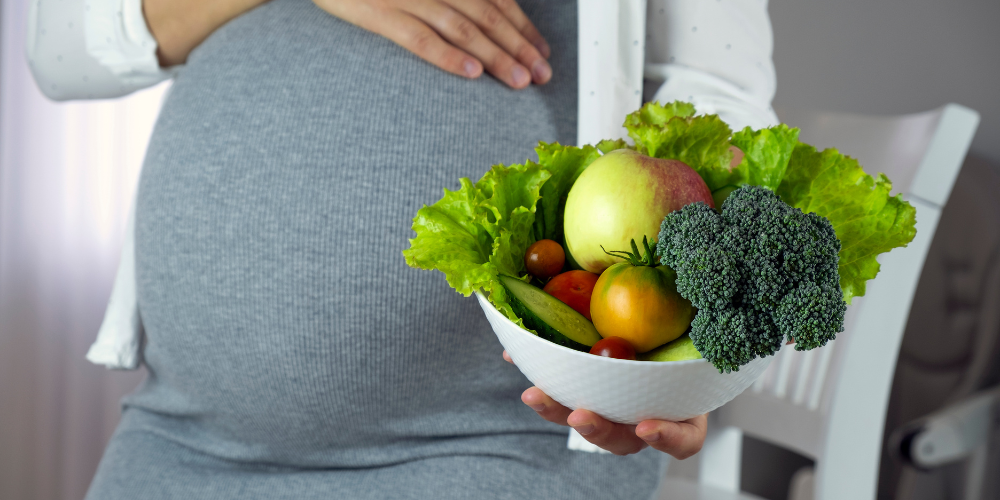
Proper nutrition is vital for the health and emotional well-being of gestational surrogates. It impacts both physical health and emotional stability, laying the groundwork for a successful surrogacy journey. Tailored health programs for surrogates can lead to better health outcomes. A focus on gestational carrier nutrition ensures a balanced diet, essential for overall wellness.
Impact of Nutrition on Surrogate Health and Well-being
A diet rich in nutrients helps surrogates maintain a healthy weight and reduces pregnancy discomforts. By following surrogate wellness plans, they can include a variety of food groups. These include:
- Fruits and vegetables
- Lean proteins
- Whole grains
This dietary approach can lower the risk of complications like gestational diabetes and high blood pressure. It supports overall health in surrogates.
How Good Nutrition Influences Baby’s Development
Nutrition plays a direct role in fetal development, highlighting the need for quality pregnancy nutrition for surrogates. A balanced intake of nutrients can reduce birth defect risks and improve infant brain development. Adequate vitamins and minerals help the surrogate’s body support the baby’s growth, creating a healthy environment for development.
Nutrition and Wellness Programs for Gestational Surrogates
Gestational surrogacy wellness programs are vital for supporting surrogates on their journey. These programs cater to the unique physical and emotional needs of each surrogate. They offer personalized support that boosts overall well-being. Specialized nutrition for surrogates greatly impacts health, aids in recovery, and ensures the well-being of both the surrogate and the baby.
Benefits of Tailored Nutrition Plans
Customized nutrition plans offer numerous benefits for surrogates. Each individual has specific dietary needs, which these programs address. This personalization ensures the intake of essential nutrients, promoting health during pregnancy. Key advantages include:
- Improved energy levels: Proper nutrition fuels the body, leading to increased vitality.
- Enhanced recovery: Balanced diets support faster physical recovery after childbirth.
- Healthier pregnancy outcomes: Specialized nutrition reduces risks associated with pregnancy complications.
How Wellness Programs Enhance Surrogate Experiences
Wellness programs go beyond nutrition; they provide a full support system for surrogates. These programs include emotional and mental health resources, promoting holistic wellness. Notable benefits to the surrogate experience include:
- Emotional support: Counseling services help surrogates navigate the complex emotional landscape of surrogacy.
- Community connection: Group activities foster relationships among surrogates, reducing feelings of isolation.
- Educational resources: Workshops on self-care and health management equip surrogates with valuable knowledge.
Pre-Pregnancy Nutrition Strategies
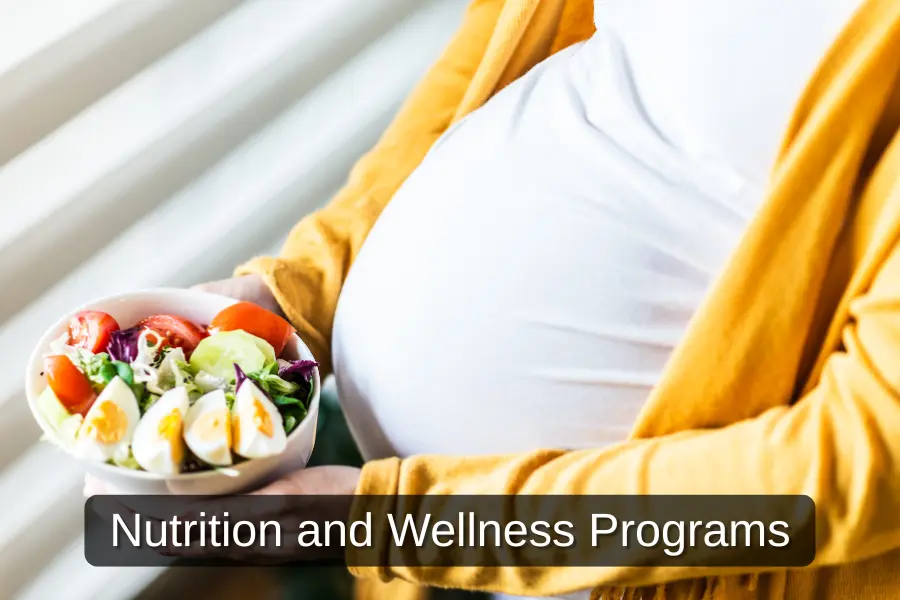
Preparing for gestational surrogacy is more than just emotional readiness; it also requires physical health focus. Tailored nutrition is key for a smooth surrogacy experience. It’s wise to seek healthcare professionals for personalized nutrition advice. They can guide on dietary changes and supplements needed.
Preparing Your Body for Gestational Surrogacy
Before conception, the body needs to be in top shape. Surrogates should build a strong nutritional base. This includes:
- Regular consultations with healthcare providers for individualized advice.
- Monitoring macronutrient intake to ensure a balanced diet.
- Incorporating physical activity that aligns with personal health goals.
Essential Nutrients and Vitamins Before Conception
Key nutrients are vital for surrogates’ health. Knowing which ones are essential helps in planning diet plans. Some vital vitamins for surrogates include:
- Folic Acid: Crucial for fetal development and reducing neural tube defects.
- Iron: Supports increased blood volume and prevents anemia.
- Calcium: Important for bone health for both the surrogate and the developing baby.
- Vitamins D and B12: Support overall health and energy levels.
It’s essential to maintain a diet rich in fruits, vegetables, whole grains, and healthy fats. By focusing on these nutrition strategies, gestational carriers can ensure a successful pregnancy.
Recommended Diet Plans for Surrogates
Nutrition plays a critical role for surrogates, ensuring both the surrogate and the baby stay healthy. A diet rich in nutrient-dense foods, including superfoods, is key. Effective diet plans for surrogate mothers help create a balanced diet, supporting overall health.
Superfoods for a Healthy Surrogate Pregnancy
Superfoods are packed with nutrients that are vital during surrogate pregnancies. Some essential options include:
- Kale – Rich in vitamins K and C, kale enhances immune function.
- Legumes – Packed with protein and fiber, providing sustainable energy.
- Berries – Full of antioxidants that support cellular health.
- Nuts – Offer healthy fats and protein, promoting brain health.
Meal Planning Tips for Optimal Nutrition
Effective meal planning tips for surrogates streamline grocery shopping and meet nutritional needs. Key strategies include:
- Plan meals around a variety of superfoods for surrogate pregnancy to ensure a balanced intake of vitamins and minerals.
- Include equal portions of proteins, carbohydrates, and healthy fats in each meal.
- Stay hydrated by drinking ample water throughout the day, improving overall health.
- Prepare meals in advance to avoid unhealthy choices.
Healthy Lifestyle Practices for Gestational Surrogates
For gestational surrogates, a healthy lifestyle is not just a choice—it’s a necessity. This journey demands a balance of physical and emotional health. Regular exercise is key in prenatal fitness, aiding in weight management and boosting overall health. Safe activities contribute to both physical comfort and emotional stability during the surrogacy process.
The Role of Exercise in Surrogate Wellness
Exercise is not just for physical health; it’s also a cornerstone of emotional resilience in surrogacy. Recommended exercises include:
- Walking: A low-impact activity, walking fits seamlessly into daily life.
- Swimming: It offers a full-body workout without straining joints.
- Prenatal Yoga: Enhances flexibility, reduces anxiety, and promotes relaxation.
By adopting these fitness tips, surrogates can strengthen the bond between their body and mind. This prepares them for a smoother surrogacy experience.
Managing Stress and Emotional Well-being
Stress management is just as critical for the surrogate’s health. Several methods can support emotional well-being:
- Mindfulness Meditation: Focuses on the present, reducing anxiety and promoting peace.
- Deep Breathing Exercises: Simple techniques that calm the mind and body, accessible anywhere.
- Engaging in Hobbies: Creative pursuits or leisure activities offer emotional support and joy.
Integrating these practices into daily life can foster a healthy lifestyle. It enhances emotional state, ensuring a positive and rewarding surrogacy journey.

Foods to Avoid During Surrogacy
During surrogacy, a healthy diet is essential for both the surrogate and the baby. It’s important to avoid certain foods to ensure optimal health. Knowing which substances are harmful during pregnancy is key to making the right food choices.
Understanding Harmful Substances and Their Effects
Surrogates should avoid processed foods, unpasteurized dairy, and high-mercury fish. These items can contain harmful substances that affect health. Studies show that unhealthy foods like sugary snacks, too much caffeine, and alcohol can harm both the surrogate and the baby.
Healthy Alternatives to Unhealthy Choices
To support better health during surrogacy, consider healthier options. Here are some tasty and nutritious alternatives for surrogates:
- Whole fruits instead of sugary snacks.
- Fully cooked lean proteins instead of raw meats.
- Whole grains instead of refined carbs.
- Fresh vegetables instead of processed side dishes.
By choosing these healthy alternatives, surrogates can improve their health and well-being during pregnancy.
| Harmful Foods | Healthy Alternatives |
| Processed snacks | Raw nuts and seeds |
| Unpasteurized products | Pasteurized dairy |
| High mercury fish | Low mercury fish (like salmon) |
| Sugary drinks | Infused water or herbal tea |
Ongoing Nutritional Support in Surrogacy Journey
The surrogacy process comes with its own set of challenges, making ongoing nutritional support for surrogates a must. This support is vital for the health of both the surrogate and the developing baby. By setting up a system to monitor dietary habits continuously, surrogates can quickly spot and fix any nutritional gaps. This tailored nutrition approach can greatly improve health outcomes during pregnancy.
Importance of Continuous Monitoring of Dietary Habits
Keeping a close eye on dietary habits is essential for maintaining health during surrogacy. This allows surrogates to adjust their nutrition as their needs change over the trimesters. Regular checks help in:
- Tracking nutrient intake and food preferences.
- Identifying deficiencies and making necessary adjustments.
- Staying informed about the latest nutritional guidelines specific to pregnancy.
Consulting Healthcare Professionals for Guidance
Seeking guidance from healthcare professionals is a critical part of nutritional support in surrogacy. Nutritionists and prenatal care specialists provide personalized advice that meets individual health needs. Working with these experts ensures:
- Personalized meal plans that consider past medical history.
- Strategies to cope with pregnancy-related cravings or aversions.
- Education on safe foods and supplements to support fetal development.
Conclusion
For gestational surrogates, adopting a structured nutrition and wellness approach is essential. Recognizing the role of good nutrition in their health is key. It lays a solid foundation for their well-being and the growth of the babies they carry. Proper nutrition, customized diets, and mindful living habits are vital for a healthy surrogacy experience.
Creating personalized nutrition plans is critical for surrogates. Each journey is unique, making ongoing support and tailored advice indispensable. This dedication to nutritional support empowers surrogates, making them feel valued and cared for during this transformative time.
Surrogacy can be both rewarding and fulfilling, with a focus on health and wellness. Investing in the nutrition and wellness of surrogates is more than self-care. It ensures a healthier future for families eagerly awaiting their new additions.
📞Get in Touch for a Free Surrogacy Consultation
📱 +91-8800481100 (WhatsApp | LINE | Viber)
📧neelam@ivfconceptions.com
🌐www.ivfconceptions.com
Why Intended Parents Choose Complete Surrogacy for a Safe, Smooth & Successful Surrogacy Journey:
🌍 Access to multiple surrogacy destinations with 15+ years of international experience
🏥 Partnerships with top-tier fertility clinics and agencies, backed by references from past clients
👩🦱 Diverse egg donor options: Asian, Caucasian, African, Oriental, and more
💸 Transparent and affordable pricing—direct payments with no extra agency fees
🔒 No hidden costs—all charges are agreed upon upfront
🤝 Dedicated case manager for personalized support
📲 Fast, honest, and clear communication throughout
📑 Full legal support for visas, documentation, and baby exit processes
 FAQs for wellness and health for surrogate mothers
 FAQs for wellness and health for surrogate mothers
 What are the key components of nutrition and wellness programs for gestational surrogates?
Key components include tailored nutrition plans focusing on nutrient-rich diets. They also include emotional support through counseling and community building. These elements aim to maintain the health of both the surrogate and the baby.
How does nutrition affect the health of a gestational surrogate?
Proper nutrition supports healthy weight gain. It reduces risks of pregnancy complications. It also enhances both physical and mental well-being, which is essential for a successful surrogacy journey.
What are some essential nutrients that gestational surrogates should focus on?
Surrogates should monitor key nutrients such as folic acid, iron, calcium, and vitamins D and B12. These nutrients support their health and fetal development effectively.
What types of foods are recommended for gestational surrogates?
A variety of nutrient-rich foods are recommended. These include fruits, vegetables, lean proteins, whole grains, and superfoods like kale and berries. They enhance overall health during pregnancy.
How important is exercise for gestational surrogates?
Regular exercise is critical. It helps manage weight gain, improves emotional well-being, and alleviates common pregnancy discomforts. Activities like walking, swimming, and prenatal yoga are recommended.
What foods should gestational surrogates avoid?
Surrogates should avoid processed foods, unpasteurized products, high-mercury fish, sugary snacks, caffeine, and alcohol. These foods can harm both their health and fetal development.
Why is ongoing nutritional support important during the surrogacy process?
Continuous nutritional support is vital. It allows for dietary needs to adapt as pregnancy progresses. This ensures surrogates remain healthy and any deficiencies are addressed promptly.
How can gestational surrogates seek personalized nutritional guidance?
Surrogates can consult with healthcare professionals, such as nutritionists and prenatal care specialists. These experts can provide tailored dietary advice based on individual health needs and lifestyle.
Additional guides: