
Is Surrogacy the Right Choice for Your Family at This Stage?
Is surrogacy right for your family? Deciding if surrogacy is the right option, and when to consider surrogacy, are important questions that go beyond medical eligibility. Surrogacy is a long-term emotional, financial, and legal commitment that affects not only intended parents but also existing children, extended family, and daily life routines. The decision should be based on timing, readiness, relationship stability, financial clarity, and support systems — not just urgency.
Evaluating whether this is the right stage of life for surrogacy helps families avoid stress, conflict, and avoidable delays later in the journey.
Quick Family Readiness Review
| Factor | Ask Yourself | If the Answer Is No | Next Step |
|---|---|---|---|
| Emotional Readiness | Can we handle uncertainty and waiting? | Stress may increase | Consider counseling or support groups |
| Relationship Stability | Are both partners equally committed? | Conflict risk | Have open discussions before proceeding |
| Financial Stability | Can we sustain 12–18 months of structured payments? | Mid-journey pressure | Build contingency savings |
| Time Availability | Can we manage travel and coordination? | Logistical strain | Adjust work or family plans |
| Existing Children | Are they emotionally prepared? | Confusion or anxiety | Prepare age-appropriate conversations |
| Support System | Do we have family/friend support? | Isolation during pregnancy | Build reliable support network |
Signs This May Be the Right Stage
- You have explored other fertility options
- Both partners feel aligned and calm about the decision
- Financial planning is structured and realistic
- You understand legal and medical processes clearly
- You are prepared for a 12–18-month commitment
Signs You May Need More Time
- One partner feels pressured
- Finances are uncertain or dependent on unstable income
- Major life transitions are happening (relocation, career change)
- You are emotionally exhausted from recent fertility treatments
📞 Get in Touch for a Free Surrogacy Consultation
📱 +91-8800481100 (WhatsApp | LINE | Viber)
📧 neelam@ivfconceptions.com
Why Intended Parents Choose us!
🌍 Access to multiple surrogacy destinations with 15+ years of international experience
🏥 Partnerships with top-tier fertility clinics and agencies, backed by references from past clients
👩🦱 Diverse egg donor options: Asian, Caucasian, African, Oriental, and more
💸 Transparent and affordable pricing—direct payments with no extra agency fees
🔒 No hidden costs—all charges are agreed upon upfront
🤝 Dedicated case manager for personalized support
📲 Fast, honest, and clear communication throughout
📑 Full legal support for visas, documentation, and baby exit processes
🚚 Assistance with frozen sperm/embryo shipment logistics
Our Other Surrogacy Country pages :
https://www.ivfconceptions.com/surrogacy-in-india/
https://www.ivfconceptions.com/surrogacy-in-ukraine/
https://www.ivfconceptions.com/surrogacy-in-georgia/
https://www.ivfconceptions.com/surrogacy-in-colombia/
https://www.ivfconceptions.com/surrogacy-in-kazakhstan-for-intended-parents/
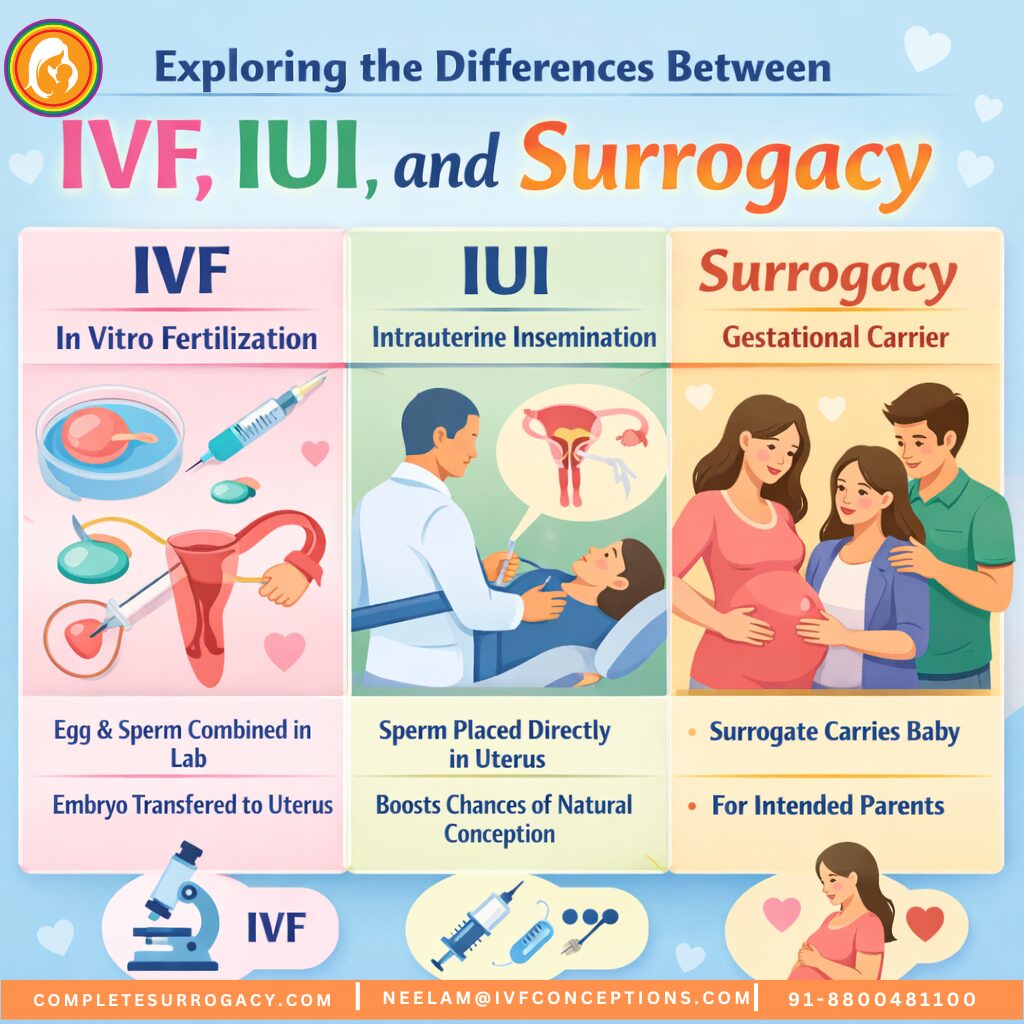
Understanding Surrogacy: Types and Basic Concepts
The surrogacy world offers various paths, each with its own traits and considerations. For those looking to build a family through surrogacy, grasping the different types and related terms is essential.
Traditional vs. Gestational Surrogacy
There are two main types of surrogacy: traditional and gestational. Traditional surrogacy uses the surrogate’s own egg, making her the biological mother. On the other hand, gestational surrogacy employs an embryo created through in vitro fertilization (IVF), with no genetic tie to the surrogate.
The choice between these types hinges on medical factors and personal preferences. Below is a table highlighting their differences:
| Characteristics | Traditional Surrogacy | Gestational Surrogacy |
|---|---|---|
| Genetic Link | Surrogate is the biological mother | No genetic link between surrogate and baby |
| Complexity | More complex due to genetic link | Generally considered less complex |
| Legal Considerations | More legally complicated | Legally less complicated in many jurisdictions |
Key Terminology Every Intended Parent Should Know
Grasping surrogacy requires familiarizing oneself with certain terms. Key terms include:
- Intended Parents: The individuals who plan to raise the child.
- Surrogate: The woman who carries the pregnancy.
- Gestational Carrier: A woman who carries a pregnancy for another person or couple.
- Embryo Transfer: The process of transferring an embryo into the surrogate’s uterus.
The Modern Surrogacy Landscape in the United States
The surrogacy scene in the United States is intricate, with significant state-to-state differences. Some states are more welcoming to surrogacy, while others have stricter rules. It’s vital for intended parents to understand these legal differences.
Key aspects of the modern surrogacy landscape include:
- Legal Variations: Different states have different laws regarding surrogacy.
- Agency Involvement: Many intended parents work with surrogacy agencies to navigate the process.
- Medical Advancements: Advances in reproductive technology have made surrogacy more accessible.
Is Surrogacy Right for Your Family at This Stage?
Choosing surrogacy for your family requires careful thought. You must consider your health, family setup, and personal life. These elements are crucial in making a decision.
Medical Indications for Considering Surrogacy
For many, medical reasons drive the choice of surrogacy. Issues like uterine infertility, repeated miscarriages, or pregnancy risks make it a safer choice. Medical experts can help determine if surrogacy is medically necessary for you.
Some medical conditions that might lead to surrogacy include:
- Uterine abnormalities that can’t be fixed surgically
- History of multiple miscarriages despite healthy embryos
- Health conditions that make pregnancy risky, such as certain heart conditions or severe hypertension
Family Structure Considerations
Surrogacy is open to all family types. Single people, same-sex couples, and heterosexual couples use it to build families. Understanding your family dynamics and how surrogacy fits into your family plan is key.
Considerations include:
- The desire for a genetic link to your child
- The legal and emotional implications of surrogacy for your family structure
- The level of support you have from family and friends
Timing Factors: Age, Career, and Life Circumstances
Your age, career stage, and life situation are crucial in deciding on surrogacy. Age, especially for the egg donor or intended mother, affects egg quality and fertilization success.
Other timing factors to consider:
- Career stability and the ability to take time off for the surrogacy process
- Financial readiness for the costs associated with surrogacy
- Personal and emotional preparedness for the journey ahead
Alternative Family-Building Options to Consider
While surrogacy is a viable option, it’s not the only one. Exploring alternatives like adoption or fostering is essential to find the best fit for you.
Consider the following:
- The legal and procedural differences between surrogacy and other family-building options
- The emotional impact of different paths to parenthood on you and your family
- The financial implications of various family-building choices
By evaluating these factors and considering your options, you can make an informed decision about whether surrogacy is right for your family at this stage.

Evaluating Your Emotional and Practical Readiness
Surrogacy is a life-changing decision that requires thorough thought about your emotional and practical readiness. It’s crucial to evaluate your emotional state and practical abilities before embarking on this journey. This ensures a smoother surrogacy process.
Personal Reflection Questions for Intended Parents
Intended parents should reflect on several key questions before moving forward. What are your motivations for choosing surrogacy? Knowing your reasons can help you prepare for what lies ahead. It’s also important to consider your emotional readiness for the potential challenges.
Think about your past experiences and how they might impact your journey. It’s vital to align your expectations with the realities of surrogacy. Ask yourself, “Am I prepared for the emotional ups and downs that come with surrogacy?”
Relationship Stability Assessment
The stability of your relationship is a critical factor in the surrogacy journey. Surrogacy can be stressful, and a strong, supportive relationship is crucial. Seeking counseling can help strengthen your relationship and prepare you for the challenges ahead.
Consider how your relationship has handled stress in the past. Think about how you can maintain a healthy dynamic during the surrogacy process. Open communication is essential for navigating the complexities of surrogacy together.
Support System Requirements
A strong support system is vital for intended parents. This network can include family, friends, or support groups for surrogacy. Think about the kind of support you’ll need and how to build or access this network.
Consider the emotional support you’ll require during the surrogacy journey. Connecting with others who are going through similar experiences can offer valuable emotional support and practical advice.

Navigating the Complete Surrogacy Process
For intended parents, the surrogacy process can seem daunting. Yet, with proper guidance, it’s within reach. The path to parenthood through surrogacy includes several stages, each with its own set of requirements and considerations.
Initial Consultation and Screening Steps
The journey starts with an initial consultation. Here, intended parents meet with a surrogacy agency or fertility clinic to discuss their options and create a personalized plan. This step is vital as it lays the groundwork for the entire process. During this phase, intended parents undergo screening to assess their suitability for surrogacy. This includes medical, psychological, and financial evaluations.
Surrogate Matching Process
After the initial screening, the next step is the surrogate matching process. This involves finding a suitable surrogate who is willing and able to carry the pregnancy. The surrogate’s medical history, lifestyle, and personal preferences are considered to ensure a compatible match. Surrogacy agencies play a key role in connecting intended parents with potential surrogates.
Medical Procedures and Timeline Expectations
Following a surrogate match, the process shifts to medical procedures. This includes IVF (In Vitro Fertilization) and embryo transfer. Intended parents need to understand the timeline expectations for these procedures. This includes the preparation phase, the actual transfer, and the subsequent pregnancy confirmation. This stage requires coordination between the fertility clinic, the surrogate, and the intended parents.
Pregnancy Journey and Birth Planning
Once the surrogate is pregnant, the journey enters the pregnancy phase. Intended parents typically maintain regular contact with the surrogate. They attend prenatal appointments and stay informed about the pregnancy’s progress. Birth planning involves discussing and deciding on the details of the birth. This includes the location and any specific preferences or requirements. This collaborative approach ensures all parties are prepared for the baby’s arrival.
Legal Frameworks for Surrogacy in the United States
The legal landscape of surrogacy in the U.S. is complex and varies by state. This complexity means intended parents must grasp the laws in their area to successfully navigate the surrogacy journey.
State-by-State Legal Variations and Requirements
Surrogacy laws differ across the U.S., with some states being more supportive than others. For example, California and New York have clear surrogacy laws. In contrast, other states may have unclear or restrictive laws, or even ban certain types of surrogacy arrangements.
Key Considerations:
- Legal status of surrogacy in your state
- Requirements for surrogacy contracts
- Process for establishing legal parentage
Essential Surrogacy Contract Components
A surrogacy contract is a binding agreement between the intended parents and the surrogate. It details the terms of the arrangement, including the surrogate’s compensation and decision-making during pregnancy.
Essential components include:
- Clear definitions of roles and responsibilities
- Terms regarding the surrogate’s compensation and expenses
- Provisions for medical decisions and interventions
Establishing Legal Parentage Rights
Securing legal parentage is a crucial step in surrogacy. It involves obtaining a court order that names the intended parents as the child’s legal parents. This may require a pre-birth or post-birth order, depending on state laws.
Steps to Establish Legal Parentage:
- Consult with a reproductive law attorney
- File the necessary legal documents
- Attend a court hearing if required
Selecting a Specialized Reproductive Law Attorney
Given the complexity of surrogacy laws, it’s vital to work with a reproductive law attorney. They can guide you through the legal requirements, draft the surrogacy contract, and help with establishing legal parentage.
When selecting an attorney, consider:
- Experience in surrogacy law
- Familiarity with your state’s specific laws
- Ability to communicate effectively and empathetically

Financial Planning for Your Surrogacy Journey
Surrogacy journeys often come with significant financial implications, making it crucial for intended parents to develop a comprehensive financial plan. Understanding the costs involved and exploring financing options can help alleviate some of the financial stress associated with surrogacy.
Breaking Down Surrogacy Costs
The cost of surrogacy in the United States can range from $120,000 to $200,000. This includes various expenses such as agency fees, surrogate compensation, medical costs, and legal expenses. A detailed breakdown of these costs is essential for effective budgeting.
| Expense Category | Estimated Cost |
|---|---|
| Agency Fees | $15,000 – $30,000 |
| Surrogate Compensation | $30,000 – $50,000 |
| Medical Expenses | $40,000 – $60,000 |
| Legal Fees | $5,000 – $10,000 |
Insurance Considerations and Coverage Options
Navigating insurance coverage is a critical aspect of surrogacy financial planning. Intended parents should understand their insurance options and the extent of their coverage.
- Review existing health insurance policies to determine coverage for surrogacy-related medical expenses.
- Explore additional insurance options specifically designed for surrogacy arrangements.
- Consider the surrogate’s insurance coverage and its implications for the pregnancy.
Financing Options and Financial Assistance
Intended parents can explore various financing options to help manage surrogacy costs. These may include personal savings, loans, and grants.
“Financial planning is not just about managing costs; it’s about creating a sustainable journey for intended parents.”
Some organizations offer financial assistance programs, including grants and scholarships, to help intended parents cover surrogacy expenses.
Long-term Financial Planning Considerations
Beyond the immediate costs of surrogacy, intended parents should consider the long-term financial implications of raising a child. This includes planning for education expenses, healthcare, and other needs.
By carefully planning and budgeting for surrogacy, intended parents can better navigate the financial aspects of their journey. This ensures a more stable and secure future for their family.
Building Your Surrogacy Team and Relationships
Embarking on the surrogacy journey requires a strong support team. This team will guide you through the intricate process, from the first consultations to the birth of your child. Their support is essential for a successful journey.
Agency Selection Criteria and Evaluation
Choosing the right surrogacy agency is a pivotal decision. Look for agencies with high success rates, rigorous surrogate screening processes, and comprehensive support for intended parents. Assess their communication style and how they handle potential challenges.
- Research the agency’s reputation and reviews from other intended parents.
- Understand their matching process and the criteria they use for surrogates.
- Evaluate the comprehensiveness of their support services.
Surrogate Relationship Development Guidelines
Building a positive relationship with your surrogate is crucial. This requires clear communication, mutual respect, and a shared understanding of the surrogacy process. Consider your involvement in the pregnancy and how to maintain a relationship with your surrogate.
Working with Fertility Clinics and Medical Professionals
Fertility clinics and medical professionals play a vital role in surrogacy. Choose clinics with experience in surrogacy arrangements and a high success rate with embryo transfers. It’s important to feel comfortable with the clinic’s staff and their approach to patient care.
Creating Healthy Boundaries and Expectations
Setting clear boundaries and realistic expectations is crucial. Define the level of contact with your surrogate, understand medical procedures, and prepare for emotional ups and downs. Manage the legal and financial aspects of surrogacy effectively.
By building a strong surrogacy team and nurturing these relationships, you can confidently navigate the surrogacy process.
Conclusion
As you conclude your exploration of surrogacy, you’re now better equipped to make informed decisions about your family planning journey. Understanding surrogacy FAQs and the complexities of surrogate motherhood can help you navigate this path with confidence.
Surrogacy is a multifaceted process that requires careful consideration of various factors, including medical, emotional, and financial aspects. By grasping the fundamentals of surrogacy and the role of a surrogate mother, you can better prepare yourself for the journey ahead.
For those moving forward with surrogacy, it’s essential to stay focused on your goals and seek support from professionals and resources available to you. This includes understanding the legal frameworks, financial planning, and building a strong support team to guide you through the process.
📞 Get in Touch for a Free Surrogacy Consultation
📱 +91-8800481100 (WhatsApp | LINE | Viber)
📧 neelam@ivfconceptions.com