
Surrogacy in India 2026: Complete Guide to Law, Eligibility, Cost & Process
Surrogacy in India provides a path to parenthood for eligible couples facing medical conditions that make pregnancy impossible or unsafe. With the implementation of the Surrogacy (Regulation) Act, 2021, surrogacy is now a legally regulated and ethical fertility option for qualifying intended parents.
Only altruistic surrogacy is legal in India. Commercial surrogacy is banned, and the surrogate mother cannot be paid a fee. Surrogacy in India is available to eligible married Indian couples, Indian widows or divorcees aged 35–45, and couples where both partners are OCI cardholders. This guide covers the current status of surrogacy in India, who can opt for it, age limits, the step-by-step process, documents and the cost.
Mobile: +91-8800481100 ( WhatsApp, Line, Viber)
Email: neelam@ivfconceptions.com
Key Takeaways & Recommendations
- Only altruistic surrogacy is allowed in India; commercial surrogacy is banned.
- Eligible: married Indian couples, Indian widows or divorcees aged 35–45, NRIs with Indian passports, and couples where both partners are OCI cardholders.
- Not eligible: foreign nationals, single men and same-sex couples.
- Legal documentation and approvals are mandatory before treatment starts.
- Consult a surrogacy lawyer for up-to-date legal compliance.

What Is Gestational Surrogacy in India and Who Needs It
Gestational surrogacy is the only form of surrogacy permitted in India under the Surrogacy (Regulation) Act, 2021. In this arrangement, the surrogate mother carries a baby created through In Vitro Fertilization (IVF) using the intended parents’ or legally permitted donor gametes. The surrogate has no genetic relationship with the child, making gestational surrogacy a medically advanced and legally recognized option for eligible intended parents.
Gestational surrogacy is generally recommended when a woman is unable to carry a pregnancy due to medical reasons. These may include the absence or abnormality of the uterus, repeated implantation failure, recurrent pregnancy loss, serious health conditions that make pregnancy life-threatening, or other medically certified infertility issues. It may also be considered after multiple unsuccessful IVF cycles when pregnancy is no longer considered safe or possible.
Before proceeding intended parents must meet the eligibility criteria prescribed by Indian law and obtain the necessary medical and legal approvals. The process begins with a comprehensive fertility evaluation, followed by IVF treatment, embryo creation, embryo transfer to the surrogate, pregnancy monitoring, and delivery under the supervision of experienced fertility specialists.
At IVF Conceptions we help intended parents understand every aspect of gestational surrogacy in India. From evaluating eligibility and explaining the legal framework to coordinating medical treatment and documentation, our team provides ethical, transparent, and personalized guidance throughout the journey. With the right medical care and legal compliance, gestational surrogacy offers hope to couples who dream of building their family but cannot achieve pregnancy naturally.
Surrogacy Rules in India: The Surrogacy (Regulation) Act, 2021
- Altruistic Surrogacy only (no direct financial benefit to the surrogate mother)
- Registered Surrogacy Clinic only (ART Registered clinics can perform surrogacy).
- Single woman (divorced or widowed), between the age of 35 to 45 years. A genetic link is a must.
- Married Indian female (23 to 50 years) and male (26 to 55 years).
- Indian citizens (including NRIs) and couples where both partners are OCI cardholders
- The couple has not had any healthy surviving child biologically or by adoption.
- Have to have a Medical indication necessitating gestation surrogacy.
- To obtain a certificate of essentiality from The Appropriate Authority.
- To obtain a certificate of medical indication necessitating gestation surrogacy from the District Medical Board.
- Parentage Order passed by First Class Magistrate.
- The surrogate mother will obtain an eligibility certificate from the appropriate authority.
- Surrogacy (Regulation) Amendment Rules, 2024- As of 21st Feb 2024, it is possible to use an egg donor or sperm donor if all other conditions are met.
Get in touch for FREE SURROGACY CONSULTING to know if you are eligible to do surrogacy in India:
Mobile: +91-8800481100 ( WhatsApp, Line, Viber)
Email: neelam@ivfconceptions.com
Why Intended Parents Choose IVF Conceptions
Access to multiple surrogacy destinations with 15+ years of international experience
Partnerships with top-tier fertility clinics and agencies, backed by references from past clients
Transparent and affordable pricing—direct payments with no extra agency fees
No hidden costs—all charges are agreed upon upfront
Dedicated case manager for personalized support
Fast, honest, and clear communication throughout
Full legal support for documentation and court orders
Assistance with frozen sperm/embryo shipment logistics
Complete Guide to Surrogacy in India
Surrogacy in India for foreigners
Single parent surrogacy in India
Documents required for surrogacy
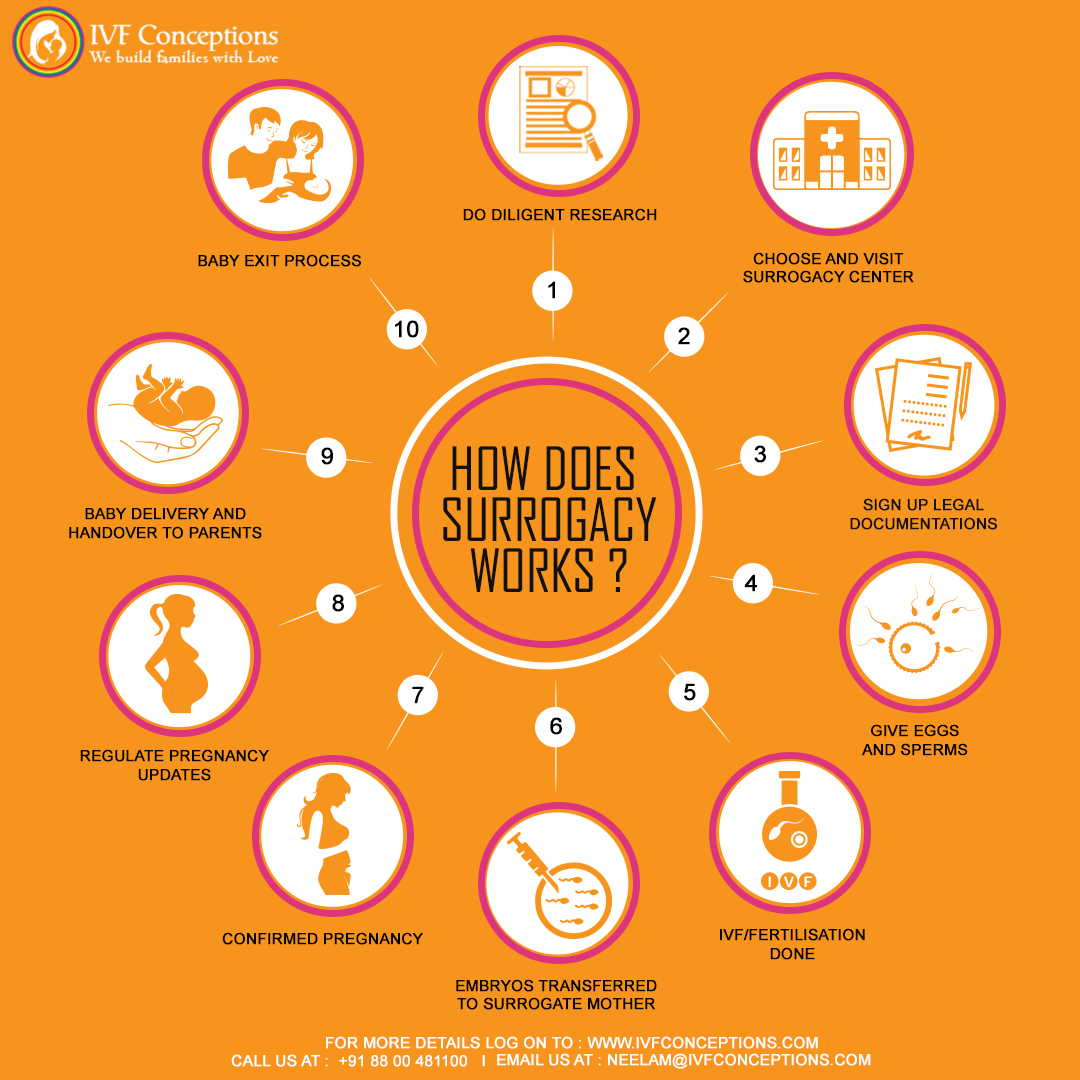
Surrogacy Process In India
Additional Guide for Surrogacy in India :
Cost of Surrogacy in Bangalore
Cost of Surrogacy in Hyderabad
What Is the Cost of Surrogacy in India in 2026?
Planning for surrogacy involves understanding every aspect of the financial journey. While commercial surrogacy is prohibited in India, intended parents are responsible for the medical, legal, and pregnancy-related expenses associated with an altruistic surrogacy arrangement. The overall cost of surrogacy in India varies depending on factors such as the fertility clinic, IVF treatment requirements, medications, number of embryo transfer cycles, legal documentation, insurance coverage, and pregnancy care.
At IVF Conceptions, we believe in complete transparency. Our team helps intended parents understand every cost involved before beginning treatment, ensuring there are no unexpected expenses during the journey. We provide detailed guidance on fertility evaluations, IVF procedures, embryo creation, embryo transfer, prenatal care, delivery charges, and mandatory legal documentation required under the Surrogacy (Regulation) Act, 2021.
The total cost may increase if additional IVF cycles, advanced fertility techniques such as ICSI or PGT, donor gametes where legally permitted, or specialized pregnancy care are required. Each treatment plan is personalized according to the intended parents’ medical condition and fertility goals.
The total cost of surrogacy in India is typically ₹25–35 lakh in 2026. It covers IVF, the surrogate’s medical care and insurance, legal approvals and delivery. The surrogate herself cannot be paid a fee. For the full itemised breakdown, see our guide to the surrogacy cost in India.
Who Can Pursue Surrogacy in India in 2026?
The Surrogacy (Regulation) Act, 2021, and its 2024 amendments have established strict eligibility criteria. Below is a clear breakdown of who qualifies:
Eligible Intended Parents
| Criteria | Requirements |
|---|---|
| Citizenship | Indian citizens (including NRIs) or couples where both partners are OCI cardholders |
| Marital Status | Legally married |
| Age Requirements | Female: 23-50 years, Male: 26-55 years |
| Medical Necessity | Must have medical condition necessitating gestational surrogacy |
| Child Status | No surviving child (biological or adopted) |
| Documentation | Must obtain certificate of essentiality from Appropriate Authority |
Eligible Surrogate Mothers
| Criteria | Requirements |
|---|---|
| Age | 25-35 years |
| Marital Status | Ever-married (married, divorced or widowed) |
| Prior Children | Must have at least one child of her own |
| Frequency | Can act as surrogate only once in her lifetime |
| Health Status | Must have medical and psychological fitness certification |
| Documentation | Must obtain eligibility certificate from Appropriate Authority |
Important 2024 Update: As of February 21, 2024, intended parents can use an egg donor or sperm donor while pursuing surrogacy if all other conditions are met. This significant amendment provides additional options for those with genetic fertility challenges.
Who Can Opt for Surrogacy in India?
| Category | Eligibility in India |
|---|---|
| Indian Married Couples | ✅ Yes (must be infertile) |
| Foreign Intended Parents | ❌ No (banned) |
| NRIs & OCIs | ❌ No (not allowed) |
| Single Parents | ❌ No (except for adoption) |
| LGBTQ+ Couples | ❌ No (not permitted) |
| Divorcees/Widows | ✅ Yes (age 35-45) |

Is surrogacy legal in India 2026
Yes, surrogacy legal in India in 2026, but it is strictly regulated under the Surrogacy (Regulation) Act, 2021 and related rules. The law permits only altruistic gestational surrogacy for eligible Indian intended couples who meet the prescribed medical and legal requirements. Commercial surrogacy, where a surrogate receives payment beyond approved medical expenses and insurance, is prohibited.
Under the current regulations, intended parents must satisfy the eligibility criteria established by the appropriate authorities and obtain the necessary medical certifications before beginning the surrogacy process. The surrogate mother must also meet the legal eligibility requirements and provide informed consent. Every surrogacy arrangement must comply with government guidelines to ensure the rights and well-being of the intended parents, surrogate mother, and child.
The Surrogacy Journey in India: Step-by-Step Process
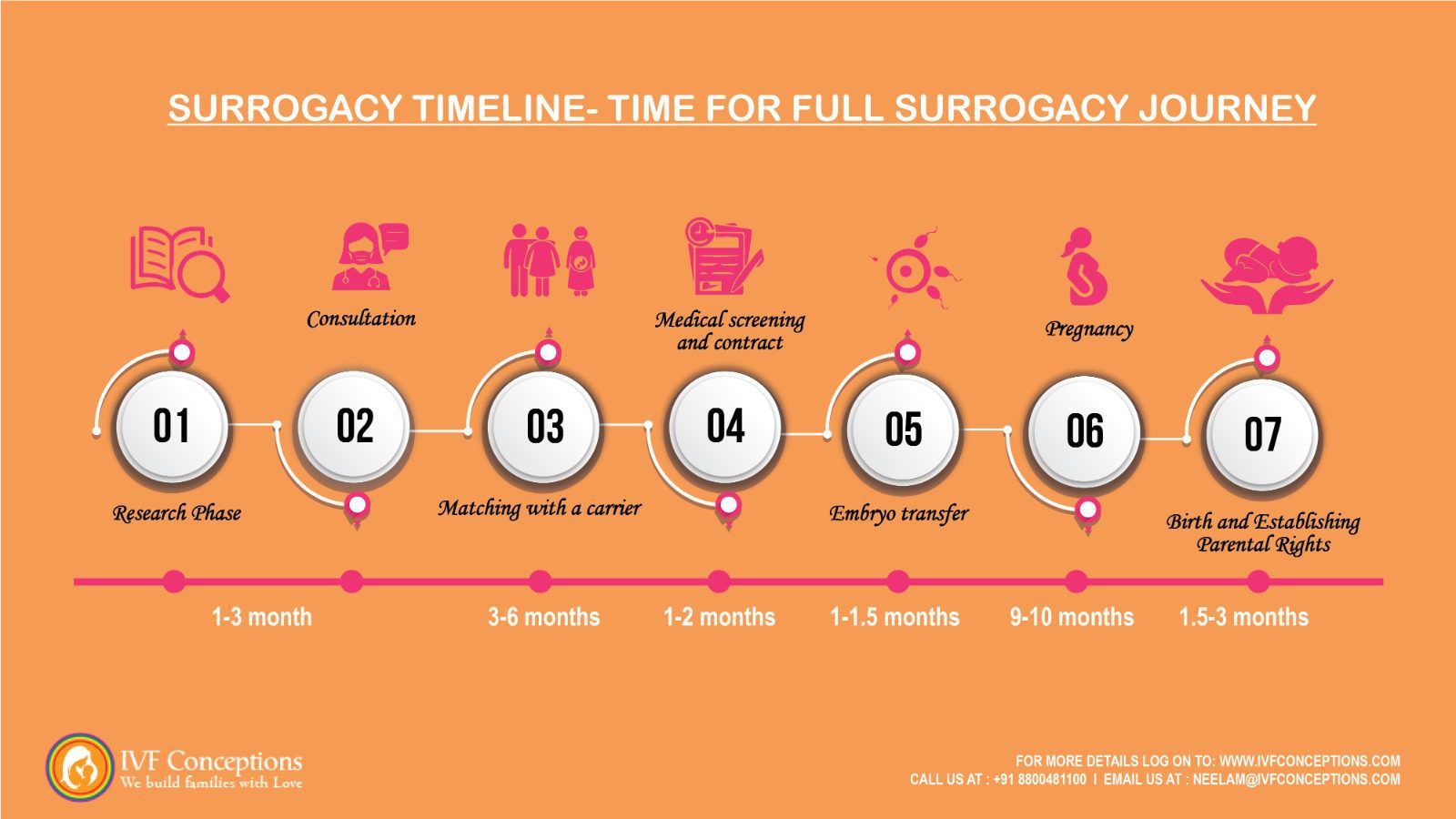
Understanding the full surrogacy process helps you prepare for each stage. Below is a comprehensive timeline of what to expect:
1. Initial Consultation and Eligibility Assessment (1-2 weeks)
- Verification of medical and legal eligibility
- Discussion of options and expectations
- Initial medical evaluations
2. Legal Documentation and Approvals (2-4 months)
- Preparation of affidavits and agreements
- Application for an essentiality certificate
- Appropriate Authority
- Securing a court order authorizing the arrangement
3. Surrogate Selection and Verification (1-2 months)
- Surrogate screening and selection
- Medical and psychological evaluation of the surrogate
- Verification from Appropriate Authority
4. Medical Procedures (1-3 months)
- IVF cycle for the intended mother or egg donor
- Embryo creation and testing, if required
- Endometrial preparation for surrogate
- Embryo transfer
5. Pregnancy and Monitoring (9 months)
- Regular prenatal check-ups
- Monthly updates to intended parents
- Comprehensive surrogate care
6. Delivery and Baby Care (1 week)
- Coordination of delivery at the selected hospital
- Immediate handover of the baby to the intended parents
- Post-birth medical care for the newborn
7. Legal Closure (1-2 months)
- Final documentation and NOC from the surrogate
- Birth certificate issuance
- Legal completion of the surrogacy arrangement
Total Estimated Timeline: 14-18 months from initial consultation to having your baby home
Legal Documentation Required for Surrogacy in India
|
Document |
Purpose |
|
Certificate of Essentiality |
Confirms the couple’s infertility & surrogacy need |
|
Surrogacy Agreement |
Legally binding contract between intended parents & surrogate |
|
Medical Board Approval |
Required from the District Medical Board |
|
Surrogate Mother’s Eligibility Certificate |
Confirms she meets the legal requirements |
|
Court Parental Order |
Grants legal parental rights to intended parents |
🔹 All approvals must be obtained from government-authorized bodies before starting the surrogacy process.
Why Choose IVF Conceptions for Surrogacy in India
- 15+ years of experience, with 4,000+ intended parents guided worldwide
- Support with certificates, legal documentation and court orders
- Coordination with registered surrogacy clinics in India
- A dedicated case manager and transparent, itemised costs
- Most of the process can be handled without travelling to India
To confirm all this, can you give the details below to see if we can legally assist you with surrogacy in India?
- Female Partner Age:
- Male Partners’ Age:
- Citizenship:
- Marital status:
- Any child?:
- Medical reason for surrogacy:
- Self or donor cycle:
- Present location:
If you are not eligible for surrogacy in India, we can also offer other legal surrogacy countries. We are happy to set up a consultation call to discuss your options and further assistance if needed.

What is the surrogacy cost in India?
The total cost of surrogacy in India is typically ₹25–35 lakh in 2026, depending on the clinic, the number of IVF attempts and legal requirements. The surrogate mother cannot be paid a fee. however, it can vary depending upon the states, IVF clinics, fertility experts, legal compliances, and all services are included in the surrogacy package cost.
So, the total Surrogacy package cost in India is 25 – 35 lakh rupees

Altruistic surrogacy cost in India
Total Surrogacy Package Cost in India in 2026
Here are the Total Surrogacy package costs in India.
| Surrogacy Package Per IVF Cycle | Surrogacy in India Cost | What is included | |
| Basic Surrogacy Package | ₹9,00,000 | · Single IVF cycle
· Self eggs · Surrogate mother · Medications |
|
| Advanced Surrogacy Package | ₹10,00,000 | · IVF cycle
· Egg donor · Surrogate mother · Medications |
|
| Guaranteed Surrogacy Package | ₹18,00,000 | · Multiple IVF cycles
· Self-eggs or egg donor · Surrogate mother · Medications |
|
In summary:
- The basic surrogacy package covers treatment with your own eggs and a single IVF cycle.
- The advanced package subs in an egg donor.
- The guaranteed package includes multiple IVF cycles with a choice of self/donor eggs to increase the chances of success.
Please note these are medical procedure fees along with the medication fees. The cost of legal compliance and legal approval for surrogacy varies from case to case and state to state. Feel free to get in touch with us to learn about your specific surrogacy case and how much surrogacy costs in India for your specific case.
What is the surrogacy cost among the top cities in India?
As shown below, average total costs of surrogacy in India for the entire surrogacy process, from IVF to delivery, range from around ₹25 lakh to ₹35 lakh across these major cities. Costs on the higher end tend to be in the biggest metro areas like Mumbai and Mumbai. Bangalore and Hyderabad are relatively more affordable.
Here is a table comparing average surrogacy costs across some major Indian cities:
| State | City | Average Surrogacy Cost |
| Surrogacy cost in Mumbai/Maharashtra | Mumbai | ₹25-35 lakh |
| Surrogacy cost in Bangalore/ Karnataka | Bangalore | ₹25-35 lakh |
| Surrogacy cost in Hyderabad/ Telangana | Hyderabad | ₹20-22 lakh |
| Surrogacy cost in Delhi | Delhi | ₹22-28 lakh |
Some key factors that influence the price of surrogacy in India:
- IVF clinic charges
- Surrogacy agency fees
- Compensation for a surrogate mother
- Legal fees
- Insurance coverage
Every surrogacy journey is different. Contact us for a personalised cost estimate based on your case.
Current Surrogacy Process in India
Please read below the basic Surrogacy steps:
#1. Intended Parents eligibility
- Intended parents need to be eligible on multiple levels, legally, medically, by nationality, age, etc. You will find the list of criteria mentioned here. Click to learn more.
#2. Surrogacy Legal Documentation
- This is the most important event in the process of surrogacy, where the legal team will guide you through the new laws and processes.
- Prepare the affidavits, agreements, and other documents. Will file it to the relevant authorities for approval.
#3. NOC and Court order
- You need an essentiality certificate from the Appropriate authority and the Board. Post which the Court needs to provide the Court order.
#4. Surrogate Verification
- Surrogate post verification from the Appropriate Authority, will undergo endometrial preparation and get ready for transfer.
#5. IVF Process
- Once we have all the documents in place, we can start the IVF process, surrogate preparation, and plan for a transfer date.
#6. Antenatal Care (Pregnancy)
- We regularly communicate with you in regards to the progress of the pregnancy and surrogate care throughout the 9 months.
#7. Coordinating Delivery
- Close to the delivery date, we help plan the delivery and the requirements.
- At birth, the baby will be handed over to you and you need to stay in the hospital for 2-3 days to ensure everything is good for the baby.
#8. Closure of Surrogacy
- Post one or two months of delivery, once the surrogate is healthy, she signs off an NOC, which gives a closure for the program.

Conclusion
As of now, only Indian childless couples can opt for the surrogacy process to grow their families. The cost of surrogacy in India is still affordable for local Indians as compared to any international surrogacy country. This makes India still a good option for NRI and OCI intended parents.
Surrogacy in India remains a complex and regulated process, primarily limited to Indian heterosexual couples. For those who do not qualify, exploring international surrogacy options is the best alternative.
Would you like personalized guidance on legal and ethical surrogacy options? Contact our experts today!
Get in touch for FREE SURROGACY CONSULTING:
Mobile: +91-8800481100 ( WhatsApp, Line, Viber)
Email: neelam@ivfconceptions.com

Is Surrogacy Legal in India? Updated Law & Rules 2026
FAQ about surrogacy in India?
What is the likely surrogacy cost in India?
The cost of surrogacy in India is typically ₹25–35 lakh in 2026. See our surrogacy cost in India guide.
Is gender selection allowed in India?
NO, in India, any form of gender detection is not permitted.
Is surrogacy in India legal?
Yes, surrogacy is legal in India for eligible Indian citizens and Overseas Citizens of India (OCI) who meet specific criteria outlined in the Surrogacy (Regulation) Act, 2021. Commercial surrogacy is prohibited, with only altruistic surrogacy permitted.
What is altruistic surrogacy?
Altruistic surrogacy means the surrogate mother receives no financial compensation beyond medical expenses and insurance coverage. The arrangement is based on altruistic motivations rather than financial gain.
Can single parents pursue surrogacy in India?
Single women (either divorced or widowed) between 35-45 years of age may be eligible for surrogacy in India, provided they meet other criteria and have a genetic link to the child. Single men are not currently eligible.
Can same-sex couples pursue surrogacy in India?
Under current Indian law, same-sex couples are not eligible for surrogacy arrangements in India. They may need to consider international options.
How long does the entire surrogacy process take?
The complete process typically takes 14-18 months from initial consultation to having your baby home, though timelines can vary based on individual circumstances.
What happens if the surrogate changes her mind?
The legal framework established through court orders and surrogacy agreements provides protection for all parties. Once legal documentation is properly executed, the surrogate cannot claim parental rights.
Can I use my own eggs/sperm with a surrogate?
Yes. As of February 2024, intended parents can use their own genetic material, donor eggs, or donor sperm, as long as at least one intended parent has a genetic link to the child.
What medical conditions qualify someone for surrogacy?
Qualifying medical conditions include the absence of a uterus, recurrent pregnancy loss, or repeated IVF failures. A certificate from the District Medical Board is required to confirm medical necessity.
Can NRIs and OCI cardholders do surrogacy in India
NRIs with Indian passports follow the same rules as Indian couples. Couples where both partners are OCI cardholders are covered under separate rules. See surrogacy for NRI in India and surrogacy in India for OCI.
What Is the Age Limit for Surrogacy in India?
The female partner must be 23–50 years and the male partner 26–55 years.
Can Single Parents Do Surrogacy in India?
Single men are not eligible. Only Indian widows and divorcees aged 35–45 may apply, subject to all other conditions. Read more: single parent surrogacy in India.
Can Gay Couples Do Surrogacy in India?
No. Same-sex couples are not eligible under the Surrogacy (Regulation) Act, 2021. If you are not eligible in India, contact us to discuss legal options in other countries.
What Is the Current Status of Surrogacy in India in 2026
Surrogacy in India is legal only in altruistic form under the Surrogacy (Regulation) Act, 2021. Commercial surrogacy is banned. The 2024 Amendment Rules allow donor eggs or sperm when all other conditions are met. Read the details in our surrogacy law in India guide.
Reference used:
- Ministry of Health & Family Welfare, India – mohfw.gov.in
