
Surrogacy Cost in Georgia Vs Surrogacy Cost in Ukraine – Which is More Affordable

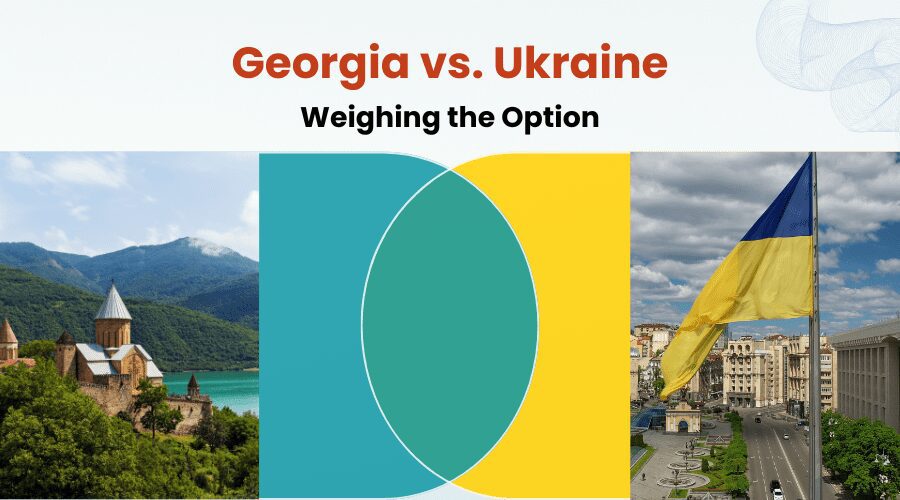
Surrogacy Cost in Georgia Vs Surrogacy Cost in Ukraine is almost the same, but due to the current military situation in Ukraine, Georgia is a preferred/recommended destination for international heterosexual couples. What if the path to parenthood through surrogacy doesn’t have to drain your savings? For couples exploring international options, affordability often becomes a defining factor. But how do two popular destinations—Georgia and Ukraine—stack up when balancing expenses, legal safeguards, and medical quality?
This analysis goes beyond basic price tags. While both countries attract intended parents from the United States, their frameworks differ significantly. Georgia offers streamlined processes with moderate fees, while Ukraine combines strict legal protections with competitive IVF clinic rates. But hidden variables—like surrogate compensation structures or agency markup—can tip the scales.
Understanding these nuances is critical. Medical procedures (such as embryo transfers), travel logistics, and post-birth documentation all influence total costs. For example, some programs bundle legal support, while others charge per service. Regional regulations also affect timelines, which indirectly impact budgets.
Please note that due to the current military situation in Ukraine, it has lost the charm of one of the most sought-after surrogacy destinations, but it is still an option. Over the past 2 years, surrogacy in Georgia has grown manyfold, despite the higher surrogacy cost in Georgia as compared to Ukraine, as former is the only safe, legally viable, and affordable surrogacy cost country for international surrogacy seekers.
Key Takeaways
- Georgia and Ukraine have distinct pricing models for medical and legal services
- Legal frameworks in both countries protect intended parents’ parental rights
- IVF cycle costs vary widely between clinics, even within the same region
- Agency fees may include or exclude surrogate compensation and insurance
- Travel and accommodation expenses differ based on program duration
- Post-birth documentation processes impact overall timelines and costs
📞 Get in Touch for a Free Surrogacy Consultation
📱 +91-8800481100 (WhatsApp | LINE | Viber)
Why Intended Parents Choose Complete Surrogacy for a Safe, Smooth & Successful Surrogacy Journey:
🌍 Access to multiple surrogacy destinations with 15+ years of international experience
🏥 Partnerships with top-tier fertility clinics and agencies, backed by references from past clients
👩🦱 Diverse egg donor options: Asian, Caucasian, African, Oriental, and more
💸 Transparent and affordable pricing—direct payments with no extra agency fees
🔒 No hidden costs—all charges are agreed upon upfront
🤝 Dedicated case manager for personalized support
📲 Fast, honest, and clear communication throughout
📑 Full legal support for visas, documentation, and baby exit processes
🚚 Assistance with frozen sperm/embryo shipment logistics
Surrogacy costs resources worldwide:
Top 4 cheapest countries for surrogacy
Best Countries for Surrogacy- Top International Destinations
Risks of international surrogacy
Global International Surrogacy Options
Surrogacy In Mexico-Everything Intended Parents Need To Know
Cheapest Country For Gay Surrogacy- Colombia
Low-cost surrogate mother in Argentina
Low-cost surrogate mother in Kazakhstan
💫 Why Intended Parents Choose Complete Surrogacy for a Safe, Smooth & Successful Surrogacy Journey:
🌍 Access to multiple surrogacy destinations with 15+ years of international experience
🏥 Partnerships with top-tier fertility clinics and agencies, backed by references from past clients
👩🦱 Diverse egg donor options: Asian, Caucasian, African, Oriental, and more
💸 Transparent and affordable pricing—direct payments with no extra agency fees
🔒 No hidden costs—all charges are agreed upon upfront
🤝 Dedicated case manager for personalized support
📲 Fast, honest, and clear communication throughout
📑 Full legal support for visas, documentation, and baby exit processes
🚚 Assistance with frozen sperm/embryo shipment logistics

🇬🇪🇺🇦 Introduction: Georgia vs Ukraine for Surrogacy in 2025
For international intended parents seeking affordable and legal surrogacy options, Georgia and Ukraine have remained top destinations for years. Both offer supportive legal frameworks, professional clinics, and high success rates — but how do they compare on cost?
This post provides a transparent cost comparison, including program fees, legal expenses, and hidden costs, to help you choose the right destination for your surrogacy journey in 2025.
Surrogacy Cost Comparison: Georgia vs Ukraine (2025)
| Cost Component | Georgia 🇬🇪 | Ukraine 🇺🇦 |
| Basic Surrogacy Program | $38,000 – $48,000 | $40,000 – $55,000 |
| Guaranteed Surrogacy Program | $55,000 – $65,000 | $58,000 – $70,000 |
| Egg Donor (if required) | Included or +$5,000 | +$5,000 – $7,000 |
| Legal & Birth Registration Fees | $1,500 – $2,500 | $2,000 – $3,000 |
| PGT-A Genetic Testing (Optional) | $2,000 – $3,000 | $2,500 – $3,500 |
| Exit Process & Travel Cost | $5,000 – $8,000 | $6,000 – $9,000 |
| Multiple Embryo Transfers | Often included | Sometimes extra cost |
| Average Total Cost Range (All-Inclusive) | $50,000 – $70,000 | $55,000 – $75,000 |
✅ Winner (Affordability): Georgia is slightly more affordable overall by ~$5,000–$8,000 on average.
Legal Framework: Is Surrogacy Legal in Georgia & Ukraine?
Both countries offer commercial surrogacy for heterosexual, married couples using their own gametes (in most cases).
Georgia Surrogacy Law Highlights:
- Legal since 1997
- Intended parents are the legal parents from birth
- Birth certificate issued in the name of the intended parents only
- No court order required
Ukraine Surrogacy Law Highlights:
- Long-established framework
- Legal parental rights from birth
- Slightly more bureaucratic due to ongoing geopolitical risks
- Recent conflict has led to uncertainty in regions, though clinics in safer zones continue operations
Pros and Cons of Surrogacy in Georgia
✅ Pros:
- Lower cost programs
- Simple legal process
- Fast birth registration
- Less bureaucratic red tape
❌ Cons:
- Fewer clinic options than in Ukraine
- Citizenship and exit processes can vary by country

Pros and Cons of Surrogacy in Ukraine
✅ Pros:
- A larger number of established clinics
- Extensive donor database
- Robust medical infrastructure
- Pre-war experience with international clients
❌ Cons:
- Costlier than Georgia
- Ongoing conflict risk in certain areas
- Longer legal and exit processing in some cases
👨👩👧👦 Which Country Offers Guaranteed Surrogacy Programs?
Both Georgia and Ukraine offer guaranteed live birth programs, which include:
- Unlimited IVF attempts
- Donor egg option (if required)
- Medication, surrogate fees, and legal costs
- Delivery and birth registration support
| Program Type | Georgia | Ukraine |
| Unlimited attempts | ✅ Yes | ✅ Yes |
| Donor inclusion | ✅ Yes | ✅ Yes |
| Price range (2025) | $55K–$75K | $58K–$70K |
✈️ Exit Process for Foreign Parents
Georgia:
- Relatively smooth process
- Most countries recognize a birth certificate with parents’ names
- Takes 2–4 weeks post-birth to return home
Ukraine:
- May require more documentation
- Exit process could take 3–5 weeks, depending on embassy cooperation
- U.S., Canada, and Australia require extra steps due to the war situation

Understanding Surrogacy Costs in the United States
Navigating surrogacy expenses in the U.S. requires careful financial planning due to multiple variables. Medical protocols, legal requirements, and agency structures create a layered pricing model that often surprises intended parents. Let’s examine where funds are allocated and why transparency matters.
Breakdown of Medical and Legal Expenses
IVF treatments form the cornerstone of U.S. programs, typically costing $25,000-$35,000 per cycle. This includes embryo creation, genetic testing, and transfer procedures. Clinics with higher success rates may charge premiums, but often reduce long-term expenses by minimizing repeat attempts.
Legal retainers add $15,000-$25,000, covering contract reviews, parental rights establishment, and birth order processing. Unlike some international options, American attorneys usually bill hourly rather than offering flat-rate packages.
Agency and Surrogate Compensation Fees
Reputable agencies charge $30,000-$50,000 to match intended parents with screened carriers. This fee includes psychological evaluations, coordination, and escrow management. Surrogates receive $45,000-$75,000 in base compensation, plus allowances for travel and medical needs.
| Cost Component | U.S. Average | International Average* |
| Medical Procedures | $65,000 | $28,000 |
| Legal Fees | $20,000 | $7,500 |
| Agency Fees | $40,000 | $15,000 |
| Surrogate Compensation | $60,000 | $18,000 |
| Total Estimated Cost | $150,000-$180,000 | $60,000-$90,000 |
*Comparisons based on Ukraine/Georgia program averages
Insurance adds another layer—some states mandate policies covering surrogate pregnancies, while others require separate riders. Budgeting $10,000-$20,000 for unforeseen medical costs helps prevent financial strain during the 18-24 month process.

Surrogacy Cost in Georiga Vs Surrogacy cost in Ukraine
Choosing between international programs requires understanding how regional frameworks shape budgets. Georgia’s surrogacy cost packages start at $45,000, while Ukraine’s begin slightly higher at $48,000.
Egg availability impacts budgets differently. Georgian clinics typically include donor compensation in base fees, while Ukrainian programs charge separately. This can add $3,000-$8,000, depending on genetic screening requirements.
Travel logistics also vary. Ukraine’s longer legal processes may necessitate extended stays, whereas Georgia’s streamlined system often requires just two visits. Savvy parents allocate 10-15% of their budget for unexpected expenses like medical complications or delayed documentation.
Legal Considerations and Eligibility in Georgia
Georgia’s surrogacy laws create a structured environment for intended parents, but eligibility hinges on specific criteria. The country’s Civil Code governs these arrangements, requiring comprehensive documentation to safeguard all parties. Unlike some destinations, programs here prioritize heterosexual couples with proven medical needs for third-party reproduction.
Regulatory Framework and Documentation Requirements
Legal contracts must outline medical responsibilities, financial terms, and parental rights. Required documents include notarized marriage certificates, medical proof of infertility, and genetic linkage confirmation. One attorney specializing in reproductive law notes:
“Missing even one form can delay the process by months. Precision matters as much as compliance.”
Georgia’s focus on traditional family structures shapes its eligibility rules. Only married heterosexual couples can pursue these programs, with at least one parent providing genetic material. This excludes single individuals and same-sex partners from participating.
Managing Compliance and Risks
Clinics conduct thorough surrogate screenings, but intended parents must verify all health reports. Incomplete paperwork risks invalidating parental claims or delaying birth certificates. Budgeting for legal reviews (typically $2,500-$4,000) helps mitigate these risks.
| Requirement | Georgia | U.S. Comparison |
| Eligible Participants | Heterosexual married couples | All individuals/couples |
| Genetic Link Mandate | Required | Optional |
| Average Legal Fees | $3,200 | $18,000 |
| Time to Secure Parental Rights | 4-6 weeks | 3-5 months |
Using an egg donor adds layers to the process. Clinics must document donor consent and genetic testing results. While this increases initial costs, it prevents disputes over biological parentage later.
Legal Framework and Surrogacy Policies in Ukraine
Ukraine’s approach to third-party reproduction prioritizes legal certainty for families. The Family Code establishes intended parents as legal guardians from conception, bypassing complex adoption processes. This framework attracts global couples seeking secure parentage recognition without prolonged court battles.
Parental Rights and Contractual Agreements
Birth certificates directly list intended parents, provided they meet strict criteria. Contracts must confirm genetic ties between at least one parent and the embryo, verified through DNA testing. A Kyiv-based fertility lawyer explains:
“Ukrainian courts treat these agreements as binding. If contracts comply with Article 123 of the Family Code, parental rights are irrevocable.”
Post-birth registration occurs within 72 hours, requiring medical records and notarized consent from all parties. Unlike some destinations, Ukraine prohibits anonymous donors—all genetic material sources must be documented.
Requirements for International Intended Parents
Foreign couples must provide:
Marriage certificates authenticated by the Ukrainian Ministry of Foreign Affairs
Medical proof of infertility from licensed specialists
Embryo creation records showing genetic linkage
Same-sex partnerships and single applicants face legal barriers. Programs typically require six months of preparatory work, including psychological evaluations and financial audits.
| Legal Aspect | Ukraine | Georgia | United States |
| Pre-Birth Parentage | Yes | No | Varies by state |
| Genetic Link Mandatory | Yes | Yes | No |
| Processing Time | 3-5 weeks | 6-8 weeks | 2-4 months |
While international surrogacy costs remain competitive, Ukraine’s emphasis on contractual clarity reduces long-term risks. Agencies often bundle legal fees (€4,000-€7,000) into program packages, unlike piecemeal billing in other regions.
Budgeting for Surrogacy: Hidden Costs and Contingencies
Creating a realistic financial plan requires anticipating expenses beyond base program fees. While clinics provide initial estimates, 78% of intended parents report unforeseen costs during their journey. These often stem from medical adjustments, legal revisions, or logistical changes.
Medical, Legal, and Clinic Expenses
Clinic fees may exclude critical add-ons like genetic testing or embryo storage. One couple shared:
“We budgeted $12,000 for IVF but needed $18,500 after adding PGT-A testing and cryopreservation.”
Legal contingencies also arise. Cross-border programs might require document authentication or court filings not included in standard packages. Allocate 10-15% of your budget for these variables.

Travel, Insurance, and Supplementary Fees
Multiple trips for medical procedures or birth registration can double accommodation expenses. Consider these often-overlooked items:
Emergency travel for premature births
Health insurance riders for surrogate complications
Translation services for legal documents
| Contingency Category | Average Cost | Frequency |
| Additional IVF Cycles | $6,500-$9,000 | 23% of cases |
| Legal Document Updates | $1,200-$4,000 | 41% of cases |
| Extended Accommodation | $3,800+ | 67% of international journeys |
Track every payment using digital tools or specialized surrogacy cost templates. Agencies offering contingency bundles—covering backup embryo transfers or alternate carriers—provide predictable pricing despite complex scenarios.
Advantages of International Surrogacy Destinations
Exploring global pathways to parenthood offers more than just financial relief—it opens doors to tailored solutions. Many families discover that overseas programs combine affordability with advanced medical care, creating opportunities that domestic options may lack.
Cost Efficiency and Diverse Options
International surrogacy options often cost 60% less than U.S. equivalents. For example, programs in Cyprus or Mexico average $50,000, compared to $150,000+ domestically. These packages typically include:
Medical screenings and embryo transfer procedures
Legal coordination for parental rights
Accommodation support during key appointments
A 2024 fertility industry report shows 82% of intended parents prioritize clinics offering genetic testing and frozen embryo transfer options—features standard in many international programs. As one agency director notes:
“Families gain access to cutting-edge treatments abroad that might be financially out of reach at home.”
Access to Quality Medical Facilities
Leading destinations invest heavily in IVF technology. Ukrainian clinics report 68% success rates for first-time embryo transfers, matching top U.S. centers. Key advantages include:
Specialized labs for genetic screening
Shorter wait times for donor matches
Multilingual medical teams
| Factor | International | U.S. Average |
| Program Cost | $50,000-$90,000 | $150,000+ |
| Embryo Transfer Success Rate | 65%-72% | 55%-68% |
| Average Wait Time | 3-5 months | 8-14 months |
Legal frameworks in these regions also streamline processes. Countries like Georgia grant parental rights pre-birth, reducing post-delivery paperwork. This combination of medical excellence and supportive policies makes overseas destinations compelling for modern families.

Medical Procedures, IVF Cycles, and Success Rates
The journey through medical procedures in third-party reproduction combines precision science with personalized care. Cutting-edge protocols and clinic expertise directly influence outcomes, making informed choices critical for hopeful families.
Embryo Transfer Techniques
Modern IVF clinics employ two primary methods: fresh and frozen embryo transfers. Frozen cycles allow better timing with the surrogate’s cycle, improving implantation rates by 15-20% in many programs. Advanced labs use time-lapse imaging to monitor development, selecting embryos with optimal growth patterns.
Key factors affecting success rates include:
Endometrial thickness (ideal range: 8-14mm)
Genetic screening of embryos (PGT-A)
Controlled medication protocols
One fertility specialist notes:
“The difference between a 50% and 70% success rate often lies in lab conditions and embryologist’s skill.”
Comparative Clinical Outcomes
Data from leading international clinics reveal striking contrasts. Ukrainian facilities report 68% live birth rates per transfer using vitrified embryos, while Georgian programs average 62%. U.S. clinics with similar protocols often match these figures but at triple the cost.
| Clinic Location | Fresh Transfer Success | Frozen Transfer Success |
| Ukraine | 58% | 68% |
| Georgia | 54% | 62% |
| United States | 61% | 67% |
Technological investments matter. Facilities using AI-driven embryo grading systems see 12% higher pregnancy rates than those relying on manual assessments. For intended parents, prioritizing clinics with ISO-certified labs and proven transfer protocols reduces risks and unnecessary repeat cycles.

✅ Final Verdict: Which is More Affordable?
| Criteria | Georgia | Ukraine |
| Base Cost | ✅ Lower | ❌ Higher |
| Legal Simplicity | ✅ Simpler | ❌ More formalities |
| Safety (as of 2025) | ✅ Safer zones | ❌ Potential conflict zones |
| Clinic Infrastructure | ❌ Fewer options | ✅ Larger pool |
| Program Flexibility | ✅ Good | ✅ Good |
| Overall Value for Money | ✅ Best Value | ❌ Costlier |
Conclusion
Georgia currently offers a more affordable and stable surrogacy option than Ukraine in 2025, especially for intended parents looking for guaranteed programs and legal simplicity. However, Ukraine still has a strong reputation and well-established clinics, ideal for those seeking advanced fertility treatments and donor egg options.
Before making a decision, always:
Consult with legal experts
Check clinic credentials and reviews
Compare multiple agencies
Understand the exit process based on your nationality
Deciding where to pursue surrogacy involves more than comparing price tags. Georgia’s streamlined legal processes often lead to lower upfront costs, while Ukraine’s rigorous framework prioritizes long-term security for intended parents. Both destinations offer viable paths, but success hinges on aligning budgets with personal priorities.
📞 Get in Touch for a Free Surrogacy Consultation
📱 +91-8800481100 (WhatsApp | LINE | Viber)
💫 Why Intended Parents Choose Complete Surrogacy for a Safe, Smooth & Successful Surrogacy Journey:
🌍 Access to multiple surrogacy destinations with 15+ years of international experience
🏥 Partnerships with top-tier fertility clinics and agencies, backed by references from past clients
👩🦱 Diverse egg donor options: Asian, Caucasian, African, Oriental, and more
💸 Transparent and affordable pricing—direct payments with no extra agency fees
🔒 No hidden costs—all charges are agreed upon upfront
🤝 Dedicated case manager for personalized support
📲 Fast, honest, and clear communication throughout
📑 Full legal support for visas, documentation, and baby exit processes
🚚 Assistance with frozen sperm/embryo shipment logistics

FAQs for surrogacy cost in Georgia vs surrogacy cost in Ukraine
How do legal parental rights differ between Georgia and Ukraine?
In Georgia, heterosexual married couples gain automatic parental rights post-birth. Ukraine allows pre-birth orders for international parents, ensuring legal recognition without genetic ties if using donor eggs or sperm.
What hidden expenses should I budget for beyond agency fees?
Beyond medical and legal fees, factor in travel, insurance, embryo storage, and potential multiple IVF cycles. Contingency funds (10–15% of total costs) help cover unexpected delays or complications.
Are donor programs more affordable in certain regions?
Yes. Ukrainian clinics often include donor compensation in packages, reducing upfront costs. Georgian programs may charge separately for anonymous donors, impacting overall budgets differently.
Why do success rates vary between clinics?
Differences in embryo transfer protocols, lab quality, and surrogate screening affect outcomes. Clinics with higher-rated facilities often report better live birth rates but may charge premium fees.
Can unmarried couples pursue surrogacy in these countries?
No. Georgia restricts services to heterosexual married couples. Ukraine requires proof of marriage or a medical need for singles, limiting options compared to more flexible destinations like Mexico.
How does travel impact the overall experience?
Frequent trips for screenings, transfers, and birth add logistical complexity. Ukraine’s streamlined processes may require fewer visits, while Georgia’s regulations could extend stays, increasing accommodation costs.
What safeguards exist for surrogate agreements?
Reputable agencies draft enforceable contracts covering health coverage, compensation schedules, and liability. Ukrainian law mandates pre-approval of terms, whereas Georgian agreements rely heavily on agency oversight.
Are there ethical concerns with international programs?
Transparent agencies prioritize surrogate welfare, medical ethics, and fair compensation. Research clinic accreditations, surrogate testimonials, and third-party audits to ensure compliance with global standards.
More Resources: