
Link Between Gut Health and Reproductive Health- Your Comprehensive Guide
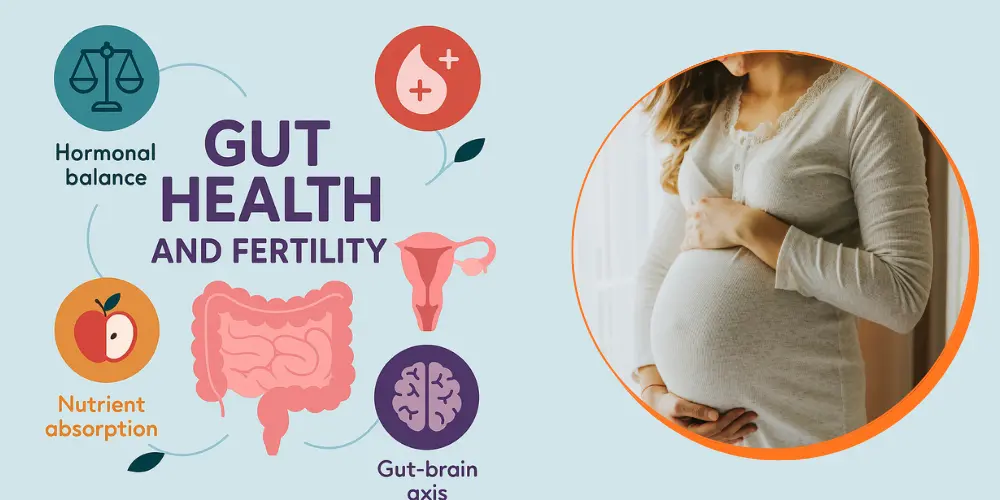
In recent years, scientists have uncovered a surprising connection between digestive wellness and fertility, linking gut health and reproductive health, an exciting area of focus for intended parents. A balanced gut microbiome can influence hormone regulation, inflammation levels, and nutrient absorption—all of which play a role in reproductive function.
In this article, we’ll explore how gut health affects fertility, what current research reveals, and practical steps you can take to support both your digestive and reproductive well-being. Did you know that nearly 70% of women and men experiencing infertility issues may be linked to an imbalance in their gut microbiome? This surprising statistic draws attention to the impactful connection between gut health and reproductive health.
Recent scientific findings suggest that maintaining a balanced gut microbiota can play an integral role in boosting overall fertility and hormonal balance. These are key factors in reproductive health.
Key Takeaways
- Approximately 70% of infertility issues may relate to gut microbiome imbalances.
- A balanced gut microbiome is vital for reproductive health and fertility.
- Dysbiosis can significantly impact hormonal balance.
- Gut health influences overall well-being beyond digestion.
- Nurturing gut microbiota can enhance fertility outcomes across genders.
📞 Get in Touch for a Free Surrogacy Consultation
📱 +91-8800481100 (WhatsApp | LINE | Viber)
Introduction to Gut Health and Reproductive Health
The connection between gut health and reproductive health is complex, rooted in the body’s systems. The gut microbiome, home to trillions of microorganisms, is vital. It affects digestion, immunity, and hormonal balance.
Understanding the Gut Microbiome
The gut microbiota is key to digestive health, influencing nutrient absorption and metabolism. A diverse gut microbiome supports hormonal balance, essential for overall health. Diet, lifestyle, and environment impact this balance. A balanced microbiome boosts immunity and reduces inflammation.
Role of Gut Health in Overall Well-being
A healthy gut microbiota enhances immunity, helping the body fight infections. Dysbiosis, or imbalance, can cause health issues, including hormonal problems. A stable gut microbiome is critical for digestion and hormonal balance, vital for reproductive health.
Read more:
How Genome Therapy Helps Middle-Aged Women Conceive Healthy Babies
Mental Health Support for Surrogate Mothers
Female Infertility- Causes, Symptoms, And Treatments
The Link Between Gut Health and Reproductive Health
Research shows that gut microbiota is key to hormonal balance, vital for reproductive health. A complex network of interactions links gut health to hormonal processes. Grasping this connection is essential for managing hormonal disorders and achieving reproductive health goals.
How Gut Microbiota Affects Hormonal Balance
The gut microbiota aids in estrogen metabolism via the enzyme β-glucuronidase. This enzyme recycles estrogen, influencing its body levels. Imbalances in gut bacteria can alter this process, affecting conditions like PCOS and endometriosis. These conditions show how gut health disturbances can lead to hormonal disorders, impacting reproductive capacity.
The Gut-Brain Axis and Its Impact on Reproductive Health
The gut-brain axis connects gut health to mental wellbeing, showing how psychology impacts physical health. Stress and anxiety can upset the gut microbiota balance, affecting hormone production. This interaction significantly impacts overall hormonal health and fertility. Chronic stress can raise cortisol levels, affecting reproductive function. Stress management is key to improving gut health and fertility, making it critical for prospective parents to understand this relationship.
The Gut Microbiome’s Role in Fertility
The link between gut health and reproductive health has become more apparent in recent years. A balanced gut microbiome plays a significant role in both women’s and men’s fertility. It influences hormonal balance and overall health. This understanding empowers individuals to take proactive steps to enhance their reproductive outcomes.
Gut Health and Women’s Fertility
Gut health is essential for women’s fertility, affecting the menstrual cycle and ovulation. The gut microbiome aids in nutrient absorption, vital for hormone production that controls reproductive functions. Research shows that a diverse gut flora is linked to better reproductive health. This suggests that maintaining a healthy gut can significantly boost conception chances. Changes in gut health can also impact hormonal balance, which is critical during the menstrual cycle, potentially alleviating fertility issues.
Men’s Health: Gut Health and Sperm Quality
Gut health is equally important for men’s health, focusing on sperm quality. Studies reveal that gut microbiota can influence testosterone levels, key for sperm production. An imbalance in gut bacteria can result in lower sperm quality, impacting fertility. By focusing on gut health through diet, men can potentially improve their sperm quality and reproductive health.
Additional guide for International Surrogacy Countries.
https://www.ivfconceptions.com/surrogacy-in-india/
https://www.ivfconceptions.com/surrogacy-in-ukraine/
https://www.ivfconceptions.com/surrogacy-in-georgia/
https://www.ivfconceptions.com/surrogacy-in-mexico/
https://www.ivfconceptions.com/surrogacy-in-usa/
Dysbiosis and Its Effects on the Reproductive System
Dysbiosis, an imbalance in gut microbiota, is increasingly recognized for its associations with various reproductive disorders and infertility. Hormonal imbalance emerges as a prevalent issue linked to gut dysbiosis conditions, affecting both male and female reproductive health. Research indicates that the health of the gut microbiome plays a critical role in regulating estrogen and androgen levels. This can significantly impact reproductive outcomes.
Common Conditions Linked to Gut Dysbiosis
Numerous reproductive disorders have been associated with gut dysbiosis. Conditions such as polycystic ovary syndrome (PCOS), endometriosis, and other forms of infertility are linked with alterations in gut flora. These changes may lead to inflammatory responses, further exacerbating hormonal imbalances. Understanding these connections becomes essential for developing strategies aimed at improving reproductive health.
Alterations in Gut Flora and Hormonal Disorders
The interaction between gut bacteria and hormones is complex. Alterations in gut flora can disrupt the metabolism of hormones, leading to hormonal disorders such as hyperandrogenism often seen in PCOS. Maintaining a balanced microbiome may prevent hormonal imbalances and improve reproductive health for both men and women. Scientific studies indicate that a stable gut environment can enhance hormonal regulation. This supports fertility and overall reproductive function.

Link Between Gut Health and Reproductive Health
Strategies for Enhancing Gut Health for Better Reproductive Outcomes
Optimal gut health is key to reproductive success. A diet rich in prebiotic foods and probiotics boosts gut flora and overall health. It’s vital for those aiming to conceive to follow dietary guidelines that support gut health.
Dietary Recommendations for Optimal Gut Flora
Adding a variety of foods to your meals significantly impacts gut health. Focus on a diet full of:
- Fruits and vegetables (like apples, bananas, garlic, and onions)
- Whole grains (oats and barley)
- Fermented foods (yogurt, kefir, sauerkraut)
- Nuts and seeds
These foods support gut flora diversity, benefiting both gut and reproductive health. They aid digestion and fertility by maintaining a healthy microbiome.
The Benefits of Probiotics and Prebiotics
Probiotics offer substantial benefits for gut health and hormonal balance. Strains like Lactobacillus and Bifidobacterium support hormone balance, positively affecting reproductive outcomes.
Prebiotics nourish beneficial gut bacteria, improving gut flora. Studies show probiotics can enhance fertility by optimizing gut health and balancing body systems essential for conception.
Conclusion
The connection between gut health and reproductive health is profound. A healthy gut microbiome is essential for better fertility and hormonal balance. It goes beyond digestion, playing a key role in reproductive functions for both men and women. Strategies to improve gut health can significantly enhance fertility outcomes, as discussed in this article.
Research in this field is ongoing, revealing promising links between the gut microbiome and reproductive health. A better understanding of these connections could lead to new ways to address fertility issues. This highlights the importance of gut health in reproductive well-being.
In summary, prioritizing gut health is not just an option but a necessity for those seeking to improve their fertility. Adopting healthier lifestyle choices can open up new paths to achieving reproductive goals.
💫 Why Intended Parents Choose Complete Surrogacy for a Safe, Smooth & Successful Surrogacy Journey:
🌍 Access to multiple surrogacy destinations with 15+ years of international experience
🏥 Partnerships with top-tier fertility clinics and agencies, backed by references from past clients
👩🦱 Diverse egg donor options: Asian, Caucasian, African, Oriental, and more
💸 Transparent and affordable pricing—direct payments with no extra agency fees
🔒 No hidden costs—all charges are agreed upon upfront
🤝 Dedicated case manager for personalized support
📲 Fast, honest, and clear communication throughout
📑 Full legal support for visas, documentation, and baby exit processes
🚚 Assistance with frozen sperm/embryo shipment logistics
 FAQs- Link Between Gut Health and Reproductive Health
 FAQs- Link Between Gut Health and Reproductive Health
What is the gut microbiome?
The gut microbiome is a complex ecosystem of microorganisms in our gastrointestinal tract. It’s vital for digestion, immune function, and hormonal balance.
How does gut health affect reproductive health?
A healthy gut microbiome boosts fertility and hormonal balance. On the other hand, an imbalance can cause issues like infertility and hormonal disorders.
What is dysbiosis?
Dysbiosis is when the gut microbiota is out of balance. It can harm overall health, including the reproductive system, by causing inflammation and disrupting hormones.
How can I improve my gut health?
To improve gut health, focus on your diet. Include prebiotic and probiotic foods. These support a diverse gut flora and better digestion.
What role do probiotics play in fertility?
Probiotics help maintain a healthy gut microbiome. This improves fertility by supporting gut health and hormone balance needed for reproduction.
How does the gut-brain axis relate to reproductive health?
The gut-brain axis connects the gut and brain, influencing hormone production and stress. This can affect fertility and reproductive outcomes.
Are there specific foods that promote gut health for reproductive health?
Yes, eating fruits, vegetables, whole grains, and fermented foods is good. They help maintain a healthy gut microbiome, supporting reproductive health.
Can gut health affect menstrual cycles?
Yes, a balanced gut microbiome helps regulate menstrual cycles and ovulation. This is key for women trying to conceive.
What are the implications of gut health for men’s reproductive health?
Gut health impacts testosterone levels, which are essential for sperm production. So, maintaining a healthy gut flora is critical for men’s fertility and sexual health.
Additional resources:
https://www.who.int/health-topics/infertility