
South Africa Egg Donor Cost: What You Need to Know

Egg donor cost
South Africa egg donor cost, egg donation cost in South Africa, and IVF with donor eggs in South Africa price are considered relatively affordable compared with many Western countries. South Africa has a well-regulated fertility sector, and egg donation operates under an altruistic model, meaning donors are not paid for the eggs themselves but receive compensation for time, travel, and inconvenience. Because of the lower medical costs and strong fertility clinics, South Africa has become a popular destination for international patients seeking donor egg IVF.
Typically, the total cost for an egg donor IVF cycle in South Africa ranges from about ZAR 75,000 to ZAR 120,000 (approximately USD $4,000–$6,400), depending on the clinic, medications, and additional procedures involved.
Quick Overview: Egg Donor Cost in South Africa
| Cost Component | Estimated Cost (ZAR) | What It Covers |
|---|---|---|
| Donor Compensation | 7,000 – 10,000 | Compensation for donor time and travel |
| IVF Procedure | 50,000 – 80,000 | Fertilization, embryo culture, and transfer |
| Medications | 10,000 – 15,000 | Hormonal stimulation and IVF drugs |
| Screening & Testing | 5,000 – 8,000 | Medical exams, genetic and infectious disease testing |
| Estimated Total Cost | 75,000 – 120,000 | Complete egg donor IVF cycle |
Key Takeaways
- Egg donation in South Africa is a regulated process with clear guidelines.
- The country offers affordable and high-quality fertility treatments.
- Understanding the costs, compensation, and timeline is essential.
- Professional expertise and ethical practices are paramount.
- South Africa is an attractive destination for fertility treatments.
📞 Get in Touch for a Free Surrogacy Consultation
📱 +91-8800481100 (WhatsApp | LINE | Viber)
📧 neelam@ivfconceptions.com
Why Intended Parents Choose us!
🌍 Access to multiple surrogacy destinations with 15+ years of international experience
🏥 Partnerships with top-tier fertility clinics and agencies, backed by references from past clients
👩🦱 Diverse egg donor options: Asian, Caucasian, African, Oriental, and more
💸 Transparent and affordable pricing—direct payments with no extra agency fees
🔒 No hidden costs—all charges are agreed upon upfront
🤝 Dedicated case manager for personalized support
📲 Fast, honest, and clear communication throughout
📑 Full legal support for visas, documentation, and baby exit processes
🚚 Assistance with frozen sperm/embryo shipment logistics
Additional guides for egg donors:
Egg Donation Process- The Definitive Guide for IVF Egg Donor
Egg Donor Surrogacy Success Rate: A Comprehensive Guide
Top 8 Factors to Consider While Intended Parents Choose Egg Donor
Infographic- How Does IVF Egg Donor Process Work

The Egg Donation Landscape in South Africa
South Africa has emerged as a leading destination for egg donation, thanks to its advanced fertility clinics and favorable regulations. The country’s fertility industry is characterized by high-quality care, innovative treatments, and competitive pricing, making it an attractive option for intended parents.
Why South Africa Is a Popular Destination for Fertility Treatment
Several factors contribute to South Africa’s popularity in the fertility treatment sector. The country boasts modern medical infrastructure, with fertility clinics like Cape Fertility, Vitalab, and Aevitas Fertility Clinic renowned for their high success rates. These clinics are equipped with state-of-the-art technology, ensuring that patients receive the best possible care.
Advanced Medical Technology: South African fertility clinics are at the forefront of medical technology, offering cutting-edge treatments that improve the chances of successful egg donation.
Experienced Professionals: The fertility specialists in South Africa are highly trained and experienced, providing expert care throughout the egg donation process.
“The combination of advanced technology and experienced professionals makes South Africa an ideal location for fertility treatments,” says Dr. Theron, a leading fertility specialist.
Overview of the South African Fertility Industry
The South African fertility industry is well-regulated and adheres to international standards. The country’s fertility clinics are known for their transparency and ethical practices, ensuring that patients receive high-quality care.
| Fertility Clinic | Success Rate | Average Cost |
|---|---|---|
| Cape Fertility | 60% | $8,000 – $12,000 |
| Vitalab | 55% | $7,000 – $11,000 |
| Aevitas Fertility Clinic | 65% | $9,000 – $14,000 |
When considering egg donation in South Africa, it’s essential to research the best egg donation centers and understand the South African egg donor agency rates. By choosing a reputable clinic, you can ensure a smooth and successful egg donation process.
Understanding South Africa Egg Donor Cost Components
Understanding the total cost of egg donation in South Africa requires a detailed examination of its various elements. The overall expense can be substantial, and being aware of the different components can help you plan your journey more effectively.
Agency Fees and Administrative Expenses
Reputable egg donor agencies in South Africa, such as ababySA, charge agency fees that range from R24,000 to R26,000 plus VAT for their comprehensive services. These fees cover the administrative costs associated with managing the egg donation process, including donor screening, matching services, and legal coordination.
Key components of agency fees include:
- Donor recruitment and screening
- Matching intended parents with suitable donors
- Coordination of medical procedures
- Legal and administrative support
Donor Compensation Structures
Donor compensation is another significant aspect of the overall cost. In South Africa, egg donors are typically compensated for their time, effort, and the physical demands of the donation process. The compensation amount can vary based on the agency’s policies and the donor’s characteristics.
It’s essential to understand that donor compensation is not considered payment for the eggs themselves, but rather for the donor’s time and the physical and emotional demands of the process.
Medical Screening and Testing Costs
Before proceeding with egg donation, both the donor and the intended parents undergo various medical screenings and tests. These can include genetic testing, blood work, and other diagnostic procedures to ensure the health and viability of the eggs.
Medical screening costs may include:
- Blood tests and hormonal assessments
- Genetic screening of the donor
- Ultrasound examinations
- Other diagnostic tests as required
IVF Procedure and Medication Expenses
The IVF procedure itself, along with the necessary medications to stimulate egg production, constitutes a significant portion of the overall cost. The cost of IVF in South Africa can vary depending on the clinic, the specific treatment protocol, and the medications required.
“The cost of IVF treatment, including medication, can range significantly based on individual needs and clinic protocols.”
It’s crucial to discuss these costs with your chosen fertility clinic to get a clear understanding of what to expect.
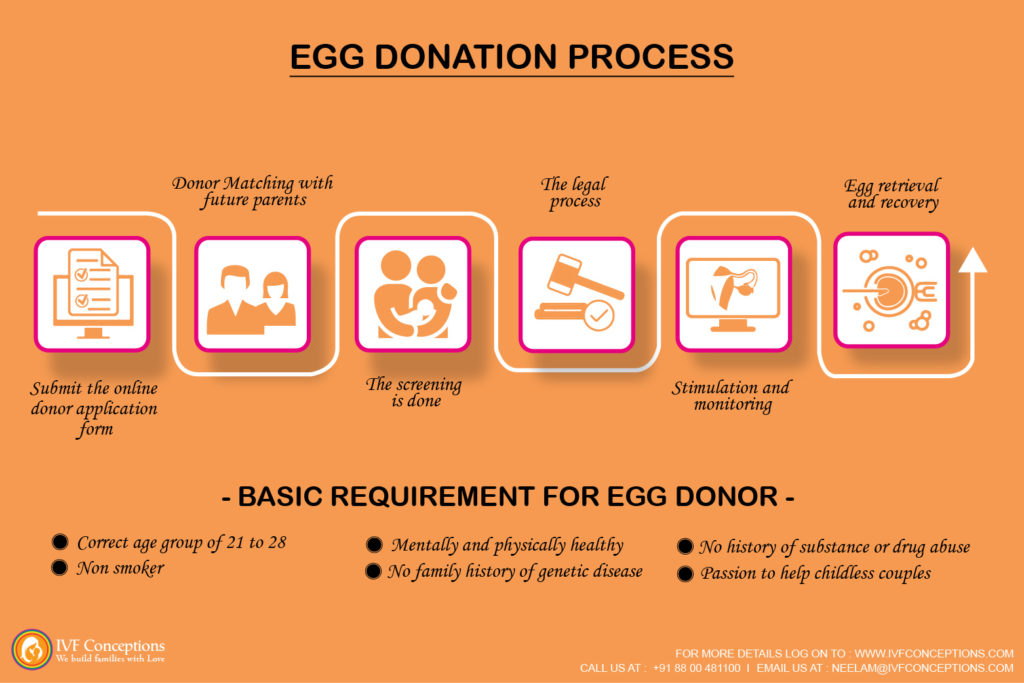
How long does the egg donation process take?
Step-by-Step Guide to Starting Your Egg Donation Journey
Embarking on the egg donation journey in South Africa requires careful planning and research. As you begin this process, it’s essential to understand the steps involved and what to expect at each stage.
Researching and Contacting South African Fertility Clinics
The first step in your egg donation journey is to research and contact fertility clinics in South Africa. You should look for clinics that are reputable, have high success rates, and offer comprehensive egg donation programs. Key factors to consider include the clinic’s experience with egg donation, their donor selection process, and the level of support they provide to both donors and recipients.
- Check for clinics that are accredited by relevant South African medical authorities.
- Read reviews and testimonials from previous clients to gauge their satisfaction.
- Compare the services and pricing offered by different clinics.
Initial Consultation Process
Once you’ve selected a few clinics, the next step is to schedule an initial consultation. This meeting is crucial as it allows you to discuss your needs, understand the clinic’s procedures, and get a sense of their approach to egg donation. During this consultation, you can expect to receive detailed information about the egg donation process, including the costs involved and the timeline.
Creating Your Donor Criteria
An important part of the egg donation process is creating your donor criteria. This involves deciding on the characteristics you prefer in a donor, such as age, physical attributes, educational background, and medical history. It’s essential to work closely with your clinic to ensure that your criteria are realistic and aligned with their donor selection process.
- Discuss your preferences with your clinic to understand their donor database.
- Consider the importance of factors like donor anonymity or openness.
- Review profiles of potential donors to find the best match for your criteria.
Understanding the Timeline Expectations
Understanding the timeline for the egg donation process is vital for planning. The overall duration can vary depending on several factors, including the clinic’s schedule, the donor’s availability, and the complexity of your case. Typically, the process from initial consultation to egg retrieval can take several weeks to a few months.
- Be prepared for a waiting period before your donor is matched and ready.
- Plan for the time required for medical screenings and preparations.
- Stay in close communication with your clinic to ensure a smooth process.
How to Select a Reputable Egg Donor Agency in South Africa
As you navigate the complex world of egg donation, understanding how to identify a top-rated agency in South Africa is essential. The right agency can make a significant difference in your journey, providing not only expert guidance but also emotional support throughout the process.
Top-Rated South African Egg Donor Agencies
South Africa is home to several reputable egg donor agencies that have gained recognition for their professionalism and high success rates. Agencies like Nurture and ababySA are notable examples, offering comprehensive services that include donor matching, medical screening, and psychological support. When researching agencies, consider their:
- Reputation and years of operation
- Success rates and donor satisfaction
- Range of services offered
- Transparency regarding costs and processes
It’s also beneficial to read reviews and testimonials from previous clients to get a sense of their experiences.
Essential Questions to Ask Potential Agencies
When reaching out to potential egg donor agencies, it’s crucial to ask the right questions to ensure you’re making an informed decision. Some key inquiries include:
- What is your agency’s success rate with egg donation cycles?
- How do you screen and match donors with recipients?
- What medical and psychological support is provided to donors?
- Can you provide detailed information on your fee structure?
Asking these questions can help you compare egg donor costs in South Africa and understand what you’re getting for your investment.
“The right agency will be transparent about their processes, costs, and success rates, making you feel supported and informed throughout your journey.”
Verifying Agency Credentials and Success Rates
Verifying an agency’s credentials is a critical step in ensuring you’re working with a reputable organization. Look for agencies that are accredited by relevant South African health authorities and have a track record of successful egg donation cycles. You should also inquire about their donor screening processes to ensure they adhere to high standards.
By taking the time to thoroughly research and vet potential agencies, you can confidently choose a reputable egg donor agency in South Africa that meets your needs and provides transparent egg donor costs.
Navigating the Donor Selection Process
The donor selection process is a critical component of successful egg donation in South Africa. This process involves several key steps that help intended parents find the most suitable egg donor for their needs.
Donor Database Access and Options
Fertility clinics and egg donor agencies in South Africa typically maintain comprehensive databases of potential donors. These databases allow intended parents to browse through profiles of available donors, filtering by various criteria such as age, medical history, and personal characteristics.
When accessing the donor database, you can usually expect to find detailed profiles that may include:
- Donor’s age and medical history
- Physical characteristics and personality traits
- Educational background and interests
- Family medical history
- Previous donation history (if applicable)
Donor Screening Standards in South Africa
South African fertility clinics and agencies adhere to rigorous donor screening standards to ensure the health and safety of both donors and intended parents. The screening process typically includes:
- Initial screening through questionnaires and interviews
- Medical examinations and blood tests
- Psychological evaluations
- Genetic testing for hereditary conditions
Rigorous screening is crucial in ensuring that donors are healthy and suitable for the donation process.
Genetic and Medical Background Considerations
When selecting an egg donor, the genetic and medical background of the donor is of paramount importance. Clinics and agencies in South Africa place significant emphasis on:
- Family medical history
- Genetic testing results
- Donor’s personal medical history
Understanding these factors helps intended parents make informed decisions about their donor selection.
Making Your Final Donor Selection
After reviewing donor profiles and considering the screening results, intended parents can make their final donor selection. This decision is typically made in consultation with fertility specialists to ensure that the chosen donor is the best match for the intended parents’ needs.
Factors to consider in the final selection include:
- Matching physical and personality characteristics
- Donor’s availability and willingness to donate
- Results of medical and genetic screenings
By carefully navigating the donor selection process, intended parents can increase their chances of a successful egg donation cycle.
Complete Timeline for Egg Donation in South Africa
Understanding the timeline for egg donation in South Africa is crucial for intended parents. The process involves several phases, each with its own schedule and requirements.
Pre-Treatment Planning Phase (1-3 Months)
The journey begins with a pre-treatment planning phase that can last between one to three months. During this period, you will:
- Research and select a reputable fertility clinic or agency
- Undergo initial consultations with fertility specialists
- Create a personalized treatment plan
- Begin necessary medical screenings and tests
This phase is critical for preparing both the intended parents and the egg donor for the subsequent steps.
Active Treatment Timeline (4-6 Weeks)
Once the planning phase is complete, the active treatment timeline begins. This typically lasts between four to six weeks and involves:
- Synchronizing the donor’s and recipient’s menstrual cycles
- Stimulating the donor’s ovaries to produce multiple eggs
- Monitoring the donor’s response to stimulation medication
- Retrieving the eggs from the donor
Key Milestone: Egg retrieval is a significant step in the process, usually performed under sedation.
Embryo Creation and Transfer Schedule
After egg retrieval, the next steps involve fertilizing the eggs with sperm to create embryos, followed by embryo transfer. This process typically occurs within a week after egg retrieval.
| Day | Procedure |
|---|---|
| 1 | Egg retrieval |
| 3-5 | Embryo culture |
| 5 | Embryo transfer |
The embryo transfer is a relatively quick procedure, often performed without anesthesia.
Post-Treatment Follow-up Period
After the embryo transfer, a follow-up period begins. This involves:
- Confirming pregnancy through a blood test
- Monitoring the early stages of pregnancy
- Providing support to the intended parents
It’s essential to follow the clinic’s instructions for post-transfer care to maximize the chances of a successful pregnancy.
The entire egg donation process in South Africa, from initial planning to post-treatment follow-up, requires careful coordination and adherence to the treatment schedule. By understanding the timeline, intended parents can better prepare themselves for this journey.

Legal Requirements and Documentation for International Patients
Understanding the legal requirements for egg donation in South Africa is crucial for international patients seeking fertility treatment. The country has established a robust legal framework to govern egg donation, ensuring the protection of donors, recipients, and resulting children.
Regulations Governing Egg Donation
South Africa has strict regulations in place to oversee the egg donation process. The National Health Act of 2003 and the Regulations Relating to the Artificial Fertilization of Persons provide the legal foundation for fertility treatments. These regulations cover aspects such as donor eligibility, informed consent, and the handling of gametes.
Donor Anonymity Laws
South Africa allows for both anonymous and known egg donation. However, the law requires that donors and recipients undergo thorough counseling regarding the implications of their choices. International patients should be aware that some countries may have different laws regarding donor anonymity, which could impact the legal status of the child born through egg donation.
Required Legal Documentation
International patients undergoing egg donation in South Africa must complete various legal documents. These typically include:
- Informed consent forms for the egg donation procedure
- Donor agreements outlining the terms of the donation
- Legal contracts between the donor, recipient, and fertility clinic
It’s essential to work with a reputable fertility clinic that has experience with international patients to ensure all necessary documentation is properly completed.
International Travel Considerations
International patients should also consider the legal implications of traveling to and from South Africa with frozen embryos or gametes. Some countries have specific regulations regarding the import and export of reproductive materials.
| Legal Aspect | Description | Consideration for International Patients |
|---|---|---|
| Donor Anonymity | South Africa allows both anonymous and known donation | Check if your home country has different laws |
| Legal Documentation | Informed consent, donor agreements, legal contracts | Ensure your clinic handles international legal requirements |
| Travel with Gametes/Embryos | Regulations vary by country | Research import/export laws for your destination |
By understanding and complying with South Africa’s legal requirements for egg donation, international patients can ensure a smooth and legally secure fertility treatment process.
Conclusion
As you consider egg donation in South Africa, understanding the South African egg donor cost, legal aspects, and process is crucial. The country’s fertility industry has gained popularity due to its advanced medical facilities and favorable regulations.
By evaluating the costs associated with egg donation in South Africa, including agency fees, donor compensation, and medical expenses, you can make an informed decision about pursuing treatment in the country. South Africa’s fertility treatment options, combined with its relatively low costs compared to other countries, make it an attractive destination for intended parents.
📞 Get in Touch for a Free Surrogacy Consultation
📱 +91-8800481100 (WhatsApp | LINE | Viber)
🌐 https://www.ivfconceptions.com/