

Real Reasons Surrogacy Journeys Get Delayed or Cancelled

Why do some surrogacy journeys take longer than expected—or sometimes get cancelled altogether? Understanding the Real Reasons Surrogacy Journeys Get Delayed or Cancelled can help intended parents prepare better and avoid unexpected setbacks. Common reasons include medical complications, failed IVF cycles, legal hurdles, surrogate-related issues, and delays in documentation or approvals.
Surrogacy is a multi-step process involving careful coordination between medical, legal, and logistical factors. So what are the most critical reasons behind delays or cancellations, and how can you minimize these risks? Knowing this in advance can help you plan a smoother and more predictable journey.
Quick Review: Why Surrogacy Gets Delayed or Cancelled
| Category | Common Reason | Result | How to Reduce Risk |
| Medical | Poor embryo quality | Failed transfer | Genetic testing & lab review |
| Surrogate Matching | Surrogate fails screening | Match cancelled | Thorough medical & psych checks |
| Legal | Contract disputes | Transfer postponed | Finalize legal clearance before IVF |
| Financial | Payment delays | Process paused | Structured milestone plan |
| Government Rules | Law or visa changes | Program halted | Choose stable surrogacy jurisdictions |
| Health Complications | Surrogate health issue | Cycle cancellation | Backup surrogate plan |
| Clinic Coordination | Poor communication | Timeline shifts | Dedicated case manager |
| Documentation | Missing paperwork | Embassy delay | Prepare documents early |
Key Takeaways
- Understanding the complexities in the surrogacy process is essential.
- Available gestational carriers significantly impact timelines.
- Medical screening complications can create unexpected delays.
- Legal paperwork must be handled promptly to avoid surrogacy journey cancellations.
- Preparation is key to mitigating potential disruptions.
- Open communication with surrogacy agencies facilitates smoother journeys.
📞 Get in Touch for a Free Surrogacy Consultation
📱 +91-8800481100 (WhatsApp | LINE | Viber)
Why Intended Parents Choose us for a Safe, Smooth & Successful Surrogacy Journey:
🌍 Access to multiple surrogacy destinations with 15+ years of international experience
🏥 Partnerships with top-tier fertility clinics and agencies, backed by references from past clients
👩🦱 Diverse egg donor options: Asian, Caucasian, African, Oriental, and more
💸 Transparent and affordable pricing—direct payments with no extra agency fees
🔒 No hidden costs—all charges are agreed upon upfront
🤝 Dedicated case manager for personalized support
📲 Fast, honest, and clear communication throughout
📑 Full legal support for visas, documentation, and baby exit processes
🚚 Assistance with frozen sperm/embryo shipment logistics
Additional guide for International Surrogacy Countries.
https://www.ivfconceptions.com/surrogacy-in-india/
https://www.ivfconceptions.com/surrogacy-in-ukraine/
https://www.ivfconceptions.com/surrogacy-in-georgia/
https://www.ivfconceptions.com/surrogacy-in-mexico/
https://www.ivfconceptions.com/surrogacy-in-usa/
https://www.ivfconceptions.com/surrogacy-in-colombia/

Understanding the Surrogacy Process
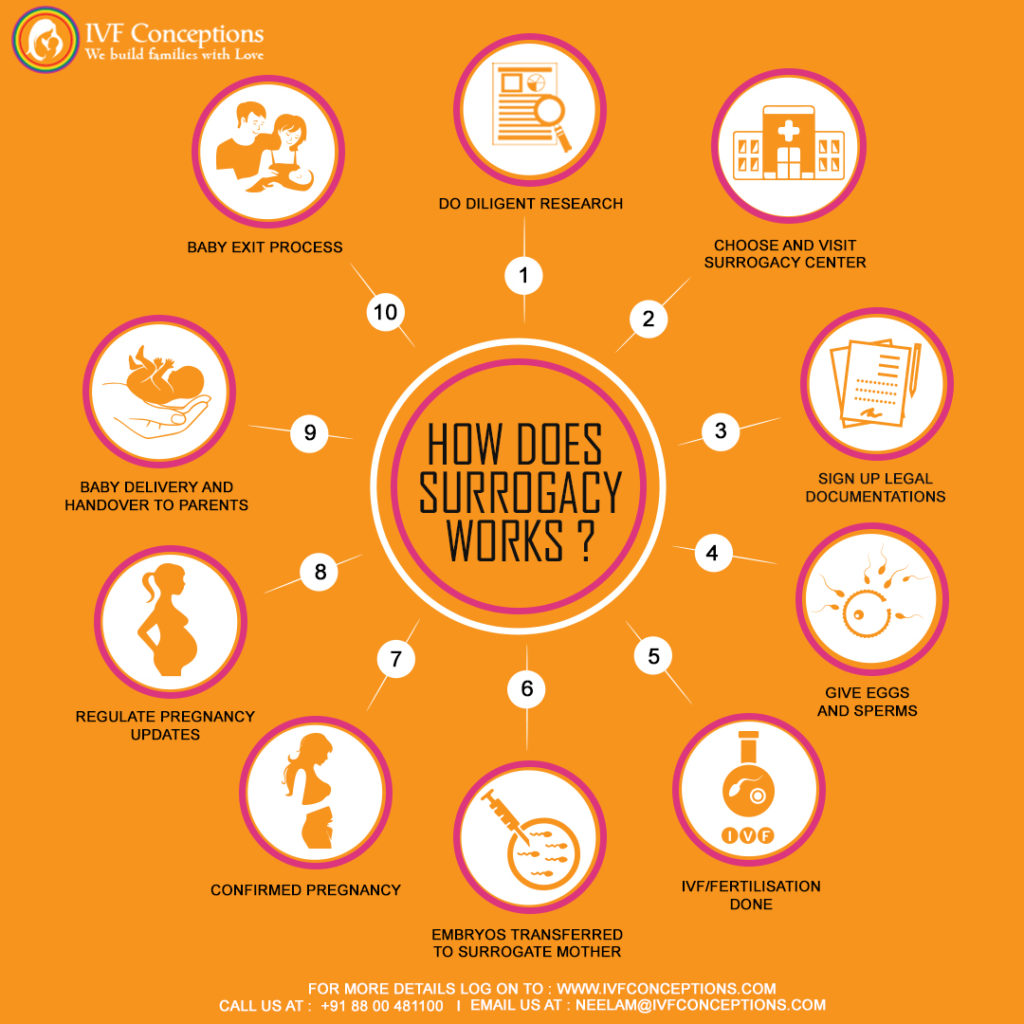
The surrogacy process is a vital pathway for individuals and couples facing infertility challenges. It allows them to expand their families by working with a surrogate. This surrogate carries and delivers their child. Each phase of this journey requires careful planning and coordination among various parties involved.
Overview of Surrogacy as a Family Building Option
Surrogacy offers hope to many who wish to become parents. It allows intended parents to experience the joys of parenthood with the support of a gestational carrier. This partnership emphasizes the shared goal of bringing forth new life, often fostering deep connections between all parties involved.
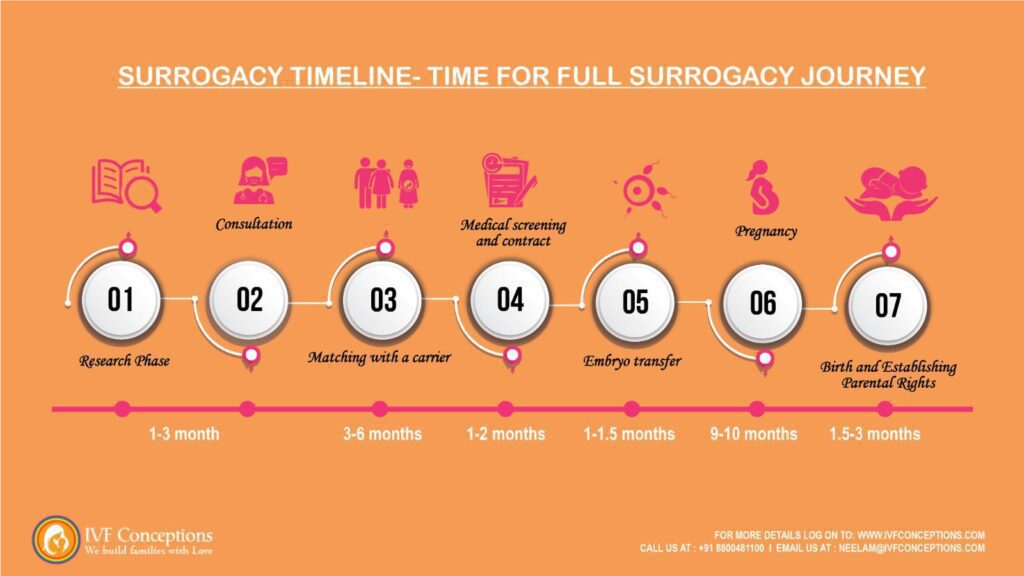
Typical Timeline for a Surrogacy Journey
- The surrogacy journey timeline varies, generally spanning between 12 to 30 months. Key stages include:
- Surrogate matching typically takes 3 to 12 months.
- Legal preparations, which may range from 1 to 4 months.
- Pregnancy lasts approximately 9 months.
- Understanding this timeline helps manage expectations and ensures that everyone remains informed and engaged throughout the journey.
Key Stakeholders in Surrogacy
Key stakeholders in surrogacy include:
- Intended parents, who dream of having a child.
- Gestational carriers, who carry the baby for the intended parents.
- Surrogacy agencies, which facilitate the matching and administrative processes.
- Medical professionals, who oversee the health and well-being of both the surrogate and the baby.
- Each group plays a crucial role in guiding and supporting the surrogacy process. They ensure a successful and positive experience for all involved.

Real Reasons Surrogacy Journeys Get Delayed or Cancelled
Surrogacy journeys often face delays and cancellations due to various reasons. Understanding these can offer insight into the process. It helps intended parents and surrogates prepare for potential challenges.
Gestational Carrier Availability
Finding a suitable gestational carrier is a primary reason for cancellations. This search is time-consuming, as it involves matching specific criteria and preferences. Aligning the expectations of intended parents with available candidates often leads to delays. The search for a gestational carrier can significantly extend the timeline, highlighting the need for patience and careful planning.
Medical Screening Complications
Medical screening issues are another critical area where delays can occur. Potential surrogates undergo extensive evaluations to ensure they are physically and mentally prepared. Complications can arise, such as delays in obtaining medical records or abnormal test results. These factors significantly impact the overall timeline of the surrogacy process, emphasizing the importance of thorough medical preparations.
Legal Delays and Documentation Issues
Legal delays in surrogacy can further hinder progress. The process involves a comprehensive review of contracts and forms, requiring coordination between multiple parties. Inefficient communication can exacerbate these delays, often leading to extended wait times. Proper attention to legal documentation is essential to prevent unnecessary interruptions in the surrogacy journey.
| Reason for Delay | Impact on Process | Potential Solutions |
| Gestational Carrier Availability | Extended timeline for finding a match | Start the search early; consider multiple agencies |
| Medical Screening Complications | Potential for repeated evaluations | Ensure all records are complete; choose experienced medical professionals |
| Legal Delays | Increased wait time for contract finalization | Engage knowledgeable legal advisors; streamline communication processes |
These factors collectively highlight the complexities of the surrogacy journey. They stress the need for effective communication and advance preparation to navigate potential obstacles.
Common Surrogacy Journey Delays
Delays in the surrogacy journey can cause frustration and uncertainty for everyone involved. The initial stages are filled with significant factors, such as intake and screening processes, medical record requests, and embryo creation. Understanding these delays can help manage expectations and improve preparedness.
Intake and Initial Screening Delays
Intake screening delays are among the first hurdles for intended parents and surrogates. A thorough medical evaluation is necessary, requiring detailed assessments and discussions. The time to gather medical records can extend these initial stages, often causing bottlenecks in progress.
Medical Record Requests and Clearance
Obtaining medical records is vital for safety and compatibility. Delays can occur due to slow responses from healthcare providers or the need for additional documentation. These obstacles can hinder screening and matching, affecting timelines.
Embryo Creation and Viability Issues
Embryo viability issues may arise as the process continues. The steps of donor selection and in vitro fertilization (IVF) are critical but can be delayed. Not every embryo meets viability standards, and genetic testing can add time if needed. This highlights the importance of careful planning and patience in this delicate journey.
Factors Impacting Surrogacy Timelines
Surrogacy journeys face numerous delays due to various factors. It’s essential for both intended parents and surrogates to understand these elements. They can greatly affect the journey’s timeline. The decisions made by intended parents are crucial in determining the journey’s progress.
Intended Parent Delays in Decision Making
Delays in decision-making by intended parents can extend surrogacy timelines. Uncertainty about choosing a surrogate or moving forward can cause delays. This indecision often leads to frustration for everyone involved. Support and clear communication can help reduce these delays.
Financial Constraints Affecting Progress
Financial constraints are a significant concern in surrogacy. The costs, including agency fees, medical expenses, and legal services, can be high. Securing funds can take longer than expected, leading to delays in the journey.
Life Events and Personal Challenges
Unexpected life events can create obstacles in a surrogacy journey. Job changes, family emergencies, or global events like pandemics can disrupt planning. These challenges can make it harder for intended parents to move forward on time.
Surrogacy Journey Complications and Setbacks
Surrogacy can introduce complications that impact the emotional and physical health of all involved. Challenges during the process can lead to delays or the need for rematching. Understanding these potential issues is key to preparing for the journey ahead.
Failed Embryo Transfers and Their Emotional Impact
Failed embryo transfers are a harsh reality in surrogacy. The emotional toll on intended parents can be deep, mirroring grief similar to a loss. Surrogates also face emotional strain, highlighting the need for open communication and mutual support.
Unexpected Medical Issues for the Surrogate
Unexpected medical issues can complicate the surrogacy journey. These complications may require additional medical evaluation or treatment, leading to delays. It’s essential to recognize that these challenges, while stressful, are often manageable with the right care and support.
Rematching and Its Associated Delays
When a surrogate cannot continue due to unforeseen issues, rematching delays can occur. Finding a new gestational carrier takes time, adding emotional and logistical challenges. Being prepared for these setbacks can build resilience and foster a supportive environment for all.
Conclusion
Surrogacy journeys are complex, often facing delays and complications that impact the timeline. It’s vital for both intended parents and surrogates to grasp the surrogacy process. They must also recognize the factors leading to delays, such as gestational carrier availability, medical issues, and financial constraints. This knowledge helps everyone prepare emotionally and practically for their shared journey.
Managing setbacks in surrogacy requires open communication among all involved. When challenges emerge, discussing concerns and finding solutions together is crucial. A supportive environment boosts emotional resilience and aids in making decisions during uncertain times.
Despite the unexpected hurdles, proactive planning and a clear understanding of the journey can lead to family-building. With patience, empathy, and ongoing support, everyone can strive for a joyful outcome in this meaningful process.
📞 Get in Touch for a Free Surrogacy Consultation
📱 +91-8800481100 (WhatsApp | LINE | Viber)
FAQs for surrogacy journeys delayed
What are the common reasons for surrogacy journey delays?
Delays often stem from gestational carrier availability, medical screening complications, and legal documentation issues. These factors can significantly interrupt the surrogacy timeline.
How long does a typical surrogacy journey take?
The typical surrogacy journey spans 12 to 30 months. This includes about nine months for pregnancy. Other stages, like matching and legal preparations, also add to the timeline.
What complications can arise during the surrogacy process?
Complications include failed embryo transfers and unexpected medical issues for the surrogate. Rematching delays can also occur. These issues can cause emotional distress and extend the journey.
How can intended parents prepare for delays in their surrogacy journey?
Intended parents should manage their expectations and plan emotionally and financially for delays. Clear communication with the surrogacy agency and medical professionals is crucial.
Why might medical screenings lead to delays in the surrogacy process?
Medical screenings can face delays due to waiting for records, scheduling conflicts, or abnormal test results. These issues can complicate timing and planning.
Are there external factors that can impact surrogacy timelines?
Yes, external factors like unexpected life events, job changes, family emergencies, or global events can significantly challenge the surrogacy process.
What role does the surrogacy agency play in avoiding delays?
A well-coordinated surrogacy agency helps navigate challenges and streamlines communication. They provide guidance to mitigate disruptions, aiming for a smoother journey.