
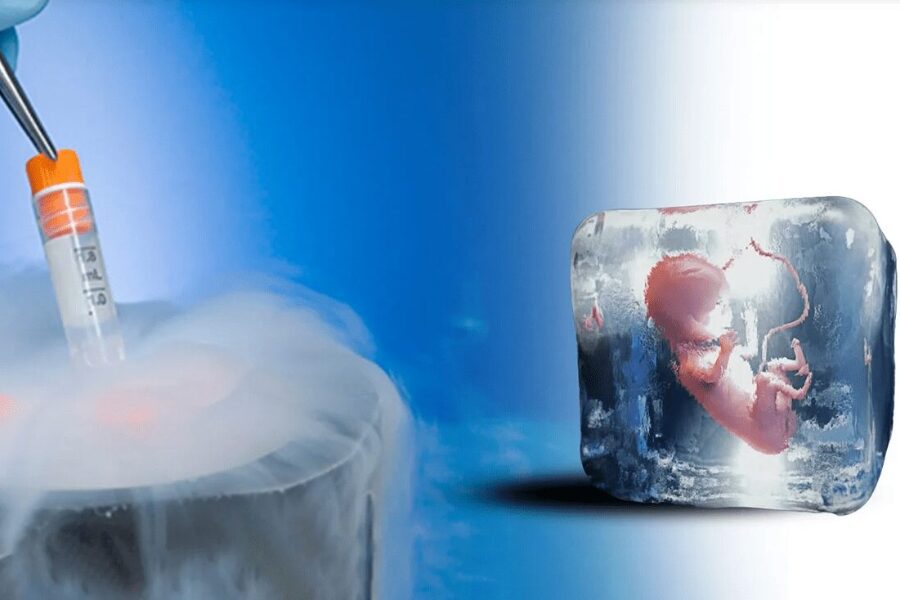
How Long Can Frozen Embryos Be Stored?
Ever pondered the viability of frozen embryos and how long it can be stored for successful pregnancies? In the realm of assisted reproductive technology, this query is vital for families exploring fertility options. Grasping the nuances of embryo freezing duration is key for both prospective parents and surrogates. While many opt to use their embryos within a decade, advancements have revealed that they can be stored indefinitely. There are even accounts of births from embryos frozen for over 27 years.
This insight not only showcases the possibility of long-term embryo storage but also stresses the need for knowledge about storage timelines. It’s critical for understanding the implications for future fertility treatments.
📞Get in Touch for a Free Surrogacy Consultation
📱 +91-8800481100 (WhatsApp | LINE | Viber)
📧neelam@ivfconceptions.com
🌐www.ivfconceptions.com
Key Takeaways
- Frozen embryos can be stored indefinitely, with success stories spanning over 27 years.
- Many choose to use stored embryos within a decade, but options are available for longer durations.
- Understanding embryo freezing duration is critical for fertility planning.
- Advancements in technology have improved the viability of frozen embryos.
- Informed decisions lead to better outcomes in assisted reproductive treatments.
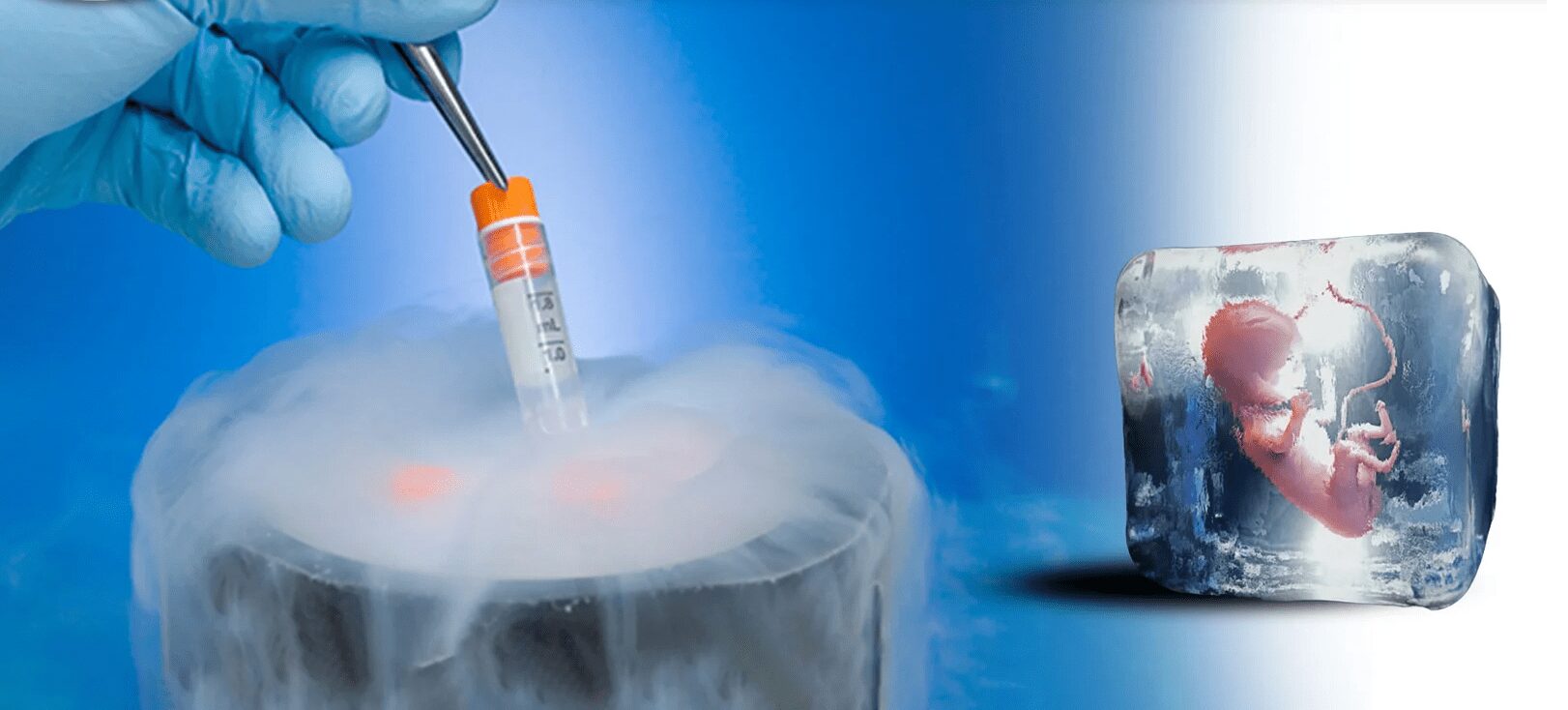
Understanding Embryo Freezing (Cryopreservation)
https://www.youtube.com/watch?v=OhvFnKX0hCw
Cryopreservation is a medical technique that allows individuals or couples to freeze and store fertilized eggs, known as embryos, for future use. This method has gained significant traction in recent years. It provides various fertility preservation options. The process of embryo freezing is vital for those undergoing medical treatments that may affect their fertility or for anyone wishing to delay parenthood.
What is Cryopreservation?
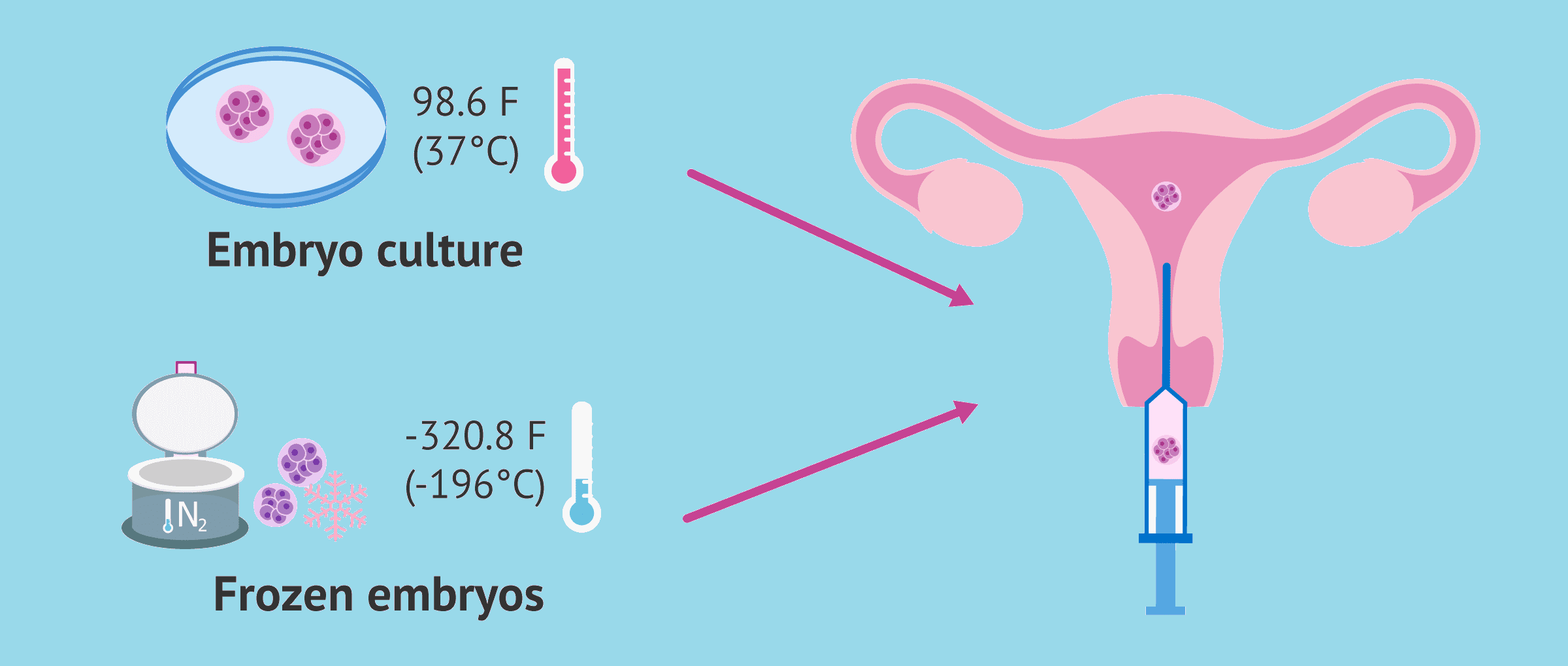
Cryopreservation of embryos involves cooling embryos to sub-zero temperatures to halt all biological activity, effectively pausing their development. The primary goal of this procedure is to preserve the genetic material for eventual implantation and pregnancy. Utilizing advanced technologies, fertility specialists are able to store these embryos securely until they are needed. This makes it a popular option in fertility care.
Benefits of Embryo Freezing
Embryo freezing offers numerous benefits that cater to various needs, including:
- Fertility Preservation: Essential for individuals facing health conditions like cancer, where treatment may impair fertility.
- Family Planning: Allows you to plan your family at a more convenient time without the immediate pressure.
- LGBTQ+ Options: Provides solutions for diverse family structures, enabling intended parents to use stored embryos when they are ready.
Who Can Benefit from Embryo Cryopreservation?
Both men and women can benefit from the cryopreservation of embryos. Those considering medical treatments that might impact fertility, individuals needing to delay childbirth for personal reasons, and members of the LGBTQ+ community will find value in this process. Everyone should consider consulting with a fertility specialist to explore the best fertility preservation options available based on personal circumstances.

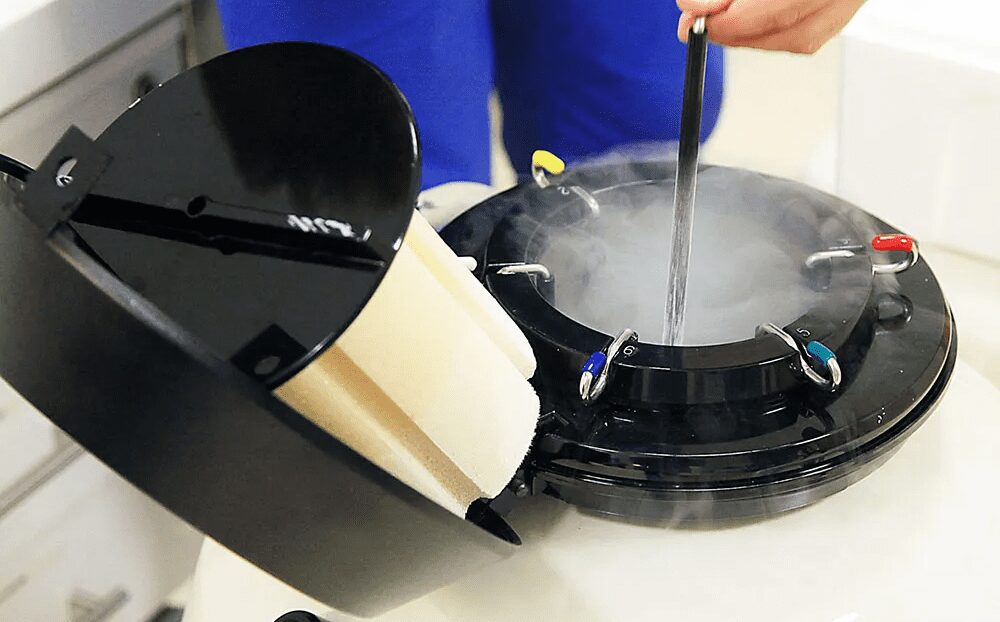 The Embryo Freezing Timeline
The process of embryo freezing is meticulous and follows a structured timeline. Understanding this timeline is essential for anyone considering IVF embryo storage. The journey begins with a thorough preparation phase, which includes evaluating medical history and lifestyle factors.
Preparation for Cryopreservation
This initial step is vital in determining the suitability of embryo banking. Specialists conduct fertility assessments, ensuring a tailored approach to your specific needs. Recommendations may include lifestyle modifications or initial medical treatments to optimize health prior to the IVF process.
Cycle Monitoring and Egg Retrieval
Cycle monitoring is critical in pinpointing the optimal moment for egg retrieval. Hormonal treatments may be administered to stimulate the ovaries. Regular checks via ultrasounds and blood tests track follicle growth, ensuring the best eggs are available for fertilization. This phase may take approximately 8 to 14 days, depending on individual circumstances.
The Freezing Process
After successful fertilization, embryos typically develop for five to six days. The freezing process employs advanced techniques such as vitrification, which enhances the survival rate of embryos during cryopreservation. Following this timeline allows for effective ivf embryo storage, ensuring that embryos are preserved in optimal condition.
How Long Can Frozen Embryos Be Stored?
The field of reproductive medicine is now exploring the long-term preservation of embryos. Advances in cryogenic techniques have made it possible to store embryos for extended periods. This raises important questions about the viability of embryos after freezing. It’s essential for those considering fertility treatments to understand the details of cryogenic storage duration.
Indefinite Storage Capacity
Recent studies suggest that embryos can be stored indefinitely, without a set expiration date. Many fertility clinics have reported successful pregnancies from embryos frozen over a decade ago. This capability offers hope and flexibility for families planning their future.
Success Cases and Longevity
Success stories from long-term frozen embryos are common, with survival rates over 95% after thawing. Patients often share their positive experiences, showing that embryos frozen years ago can lead to viable pregnancies. The success of thawing and implantation depends on careful storage and monitoring.
Survival Rates of Frozen Embryos
The survival rate of embryos after thawing is a critical factor in determining their viability. Research indicates that the chances of embryos surviving the freezing and thawing processes are high. The stage of the embryo at freezing and the cryopreservation protocol used significantly impact these outcomes.
Factors Influencing Viability
Several factors influence the viability of embryos after freezing. Maternal age at the time of embryo creation is a significant factor, with younger ages leading to higher viability rates. The conditions of cryogenic storage, including temperature and duration, are also vital for maintaining embryo health.
| Storage Duration | Survival Rate Post-Thaw | Typical Outcomes |
| 1-2 Years | 98% | High success in implantation |
| 3-5 Years | 96% | Favorable outcomes reported |
| 6-10 Years | 95% | Successful pregnancies common |
| 10+ Years | 93% | Positive results are achievable |
Storage Regulations and Guidelines
The world of embryo storage is heavily influenced by local laws and the practices of fertility clinics. It’s vital for those involved in assisted reproductive technologies to grasp these regulations. Each state in the U.S. has its own set of rules governing how long embryos can be stored and under what conditions.
Legal aspects, such as consent requirements, are critical. They define the rights and duties of individuals regarding their stored embryos. Knowing ivf preservation limits ensures that everyone is aware of the maximum time their embryos can be frozen. This is without risking their viability.
Storage costs also play a significant role, as they differ based on the clinic and the storage duration. It’s important for individuals to understand any associated costs to avoid financial surprises. Understanding the options for unused embryos, such as donation or disposal, is also key. This knowledge allows individuals to make informed decisions about their reproductive futures.
Embryo Viability After Freezing
Exploring the viability of frozen embryos requires examining several key factors. These include the legal and financial aspects of their storage. While many fertility clinics offer indefinite storage, state laws may impose limits. It’s vital for those considering this option to understand these regulations.
Embryo Storage Limits in Different States
Storage limits for embryos differ greatly across states due to varying laws. Some places have strict rules on how long embryos can remain frozen. Others allow clinics to store them indefinitely. Prospective parents must research their state’s laws to comply and know their rights.
Storage Costs and Considerations
The financial side of embryo storage is critical. The initial freezing costs are just the start. Storage fees can add up over time, affecting budgets. Insurance coverage for these costs varies, impacting financial planning. It’s important to discuss these expenses early to make informed decisions about preserving embryos.
 Conclusion
Understanding the intricacies of long-term embryo storage is essential for those seeking to become parents. It covers the technical aspects of cryopreservation and the advancements in frozen embryo viability. This allows families to plan their fertility more flexibly. Modern technology makes it possible to preserve embryos effectively, giving parents the chance to expand their families at their convenience.
The process of embryo banking requires careful monitoring and consideration of individual circumstances. It’s important for individuals to have open discussions with fertility specialists. These experts can offer personalized advice and emotional support, helping you make informed decisions about your fertility journey.
📞Get in Touch for a Free Surrogacy Consultation
📱 +91-8800481100 (WhatsApp | LINE | Viber)
📧neelam@ivfconceptions.com
🌐www.ivfconceptions.com
Why Intended Parents Choose Complete Surrogacy for a Safe, Smooth & Successful Surrogacy Journey:
🌍 Access to multiple surrogacy destinations with 15+ years of international experience
🏥 Partnerships with top-tier fertility clinics and agencies, backed by references from past clients
👩🦱 Diverse egg donor options: Asian, Caucasian, African, Oriental, and more
💸 Transparent and affordable pricing—direct payments with no extra agency fees
🔒 No hidden costs—all charges are agreed upon upfront
🤝 Dedicated case manager for personalized support
📲 Fast, honest, and clear communication throughout
📑 Full legal support for visas, documentation, and baby exit processes

FAQs for the frozen embryos surrogacy process
How long can frozen embryos be stored?
Frozen embryos can be stored indefinitely, with successful births reported from embryos frozen for over 27 years. Yet, many people use their stored embryos within a decade.
What is cryopreservation?
Cryopreservation freezes and stores fertilized eggs (embryos) for later use. It preserves fertility for medical treatments or family planning.
What are the benefits of embryo freezing?
Embryo freezing preserves fertility for those undergoing medical treatments like cancer. It also offers options for the LGBTQ+ community in planning their families.
What steps are involved in the embryo freezing process?
The process starts with a thorough fertility assessment. Then, cycle monitoring determines the best time for egg retrieval. Advanced techniques like vitrification are used to improve survival rates.
Are there regulations regarding embryo storage?
Regulations on embryo storage vary by state and clinic. It’s vital to know local laws, consent requirements, and storage and disposal fees.
How do embryo storage limits vary?
While many clinics store embryos indefinitely, state regulations and clinic policies may set limits. Regular monitoring and assessments are key for the best outcomes.
What are the costs associated with embryo storage?
Costs include initial freezing fees and ongoing storage fees. Insurance coverage and overall treatment expenses can affect the total cost of embryo storage.
What factors influence the viability of frozen embryos?
Viability after freezing depends on maternal age, storage conditions, and embryo health before freezing. These factors are critical in fertility planning.
Resources used
- American Society for Reproductive Medicine (ASRM)
https://www.asrm.org - Resolve: The National Infertility Association
https://resolve.org