
Frozen vs Fresh Embryos: Success Rates Compared
One of the biggest decisions in IVF is whether to use frozen or fresh embryos, making frozen vs fresh embryos: success rates compared a crucial question for hopeful parents. Advances in cryopreservation have dramatically improved frozen embryo outcomes, but differences in timing, hormonal preparation, and lab techniques can still affect success rates.
In this blog, we’ll compare the latest research, explain the pros and cons of each option, and help you make an informed decision for your fertility journey.
Summary Table of Success Rates
| Feature / Factor | Frozen Embryos | Fresh Embryos | Key Takeaway |
| Success Rates | Comparable or slightly higher in many studies due to better uterine preparation. | Historically strong, but slightly lower in some recent studies compared to frozen. | Frozen embryos now perform at least as well as fresh in most clinics. |
| Uterine Preparation | Allows time for endometrial recovery and optimal hormonal environment. | Requires synchronization with ovarian stimulation, which can affect lining quality. | Frozen cycles often mean a more natural or optimized uterine environment. |
| Timing & Flexibility | Embryos can be transferred at a later date, offering scheduling flexibility. | Transfer must occur shortly after egg retrieval, reducing flexibility. | Frozen cycles allow more control over timing. |
| Cost | Additional costs for freezing and storage but may reduce the need for repeated cycles. | No freezing costs but may incur higher medication or monitoring costs upfront. | Costs vary but often balance out over time. |
| Embryo Survival | High survival rates with modern vitrification methods (>90%). | Immediate transfer—no thaw risk. | Both methods now highly reliable. |
| Use in PGT/PGS | Easier to perform genetic testing and wait for results before transfer. | Requires a delay or a fresh transfer without full genetic results. | Frozen cycles are more convenient for advanced screening. |
Key Takeaways
Understanding the differences in success rates between frozen vs fresh embryos is key to making informed choices.
About 60% of IVF cycles now use frozen embryos because of advances in fertility treatments.
Fresh embryos are available right away, while frozen ones allow for testing before transfer.
Each embryo transfer method has its own benefits and challenges that can affect your fertility journey.
Research keeps evolving, showing that both fresh and frozen embryos can lead to successful pregnancies.
Making informed decisions about embryo adoption and cryopreservation can greatly impact treatment success rates.
📞 Get in Touch for a Free Surrogacy Consultation
📱 +91-8800481100 (WhatsApp | LINE | Viber)
Related surrogacy Costs guides:
What is the average surrogacy cost?
How much does surrogacy cost in Ukraine?
How much does surrogacy cost in Georgia?
How much does surrogacy cost in India?
What is the Surrogacy Cost in Colombia?
What is the surrogacy cost in Mexico?
What is the surrogacy cost with family members?
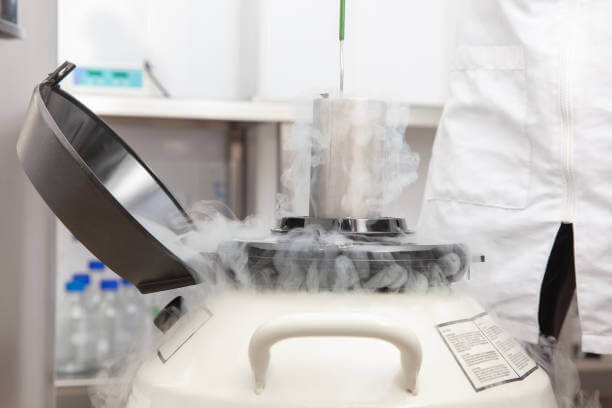
Frozen vs. fresh embryos’ success rate
Frozen vs Fresh Embryos: Key Differences
The differences between frozen and fresh embryos are key in IVF. Knowing these differences helps those planning to use fertility treatments make better choices.
Embryo Development Process
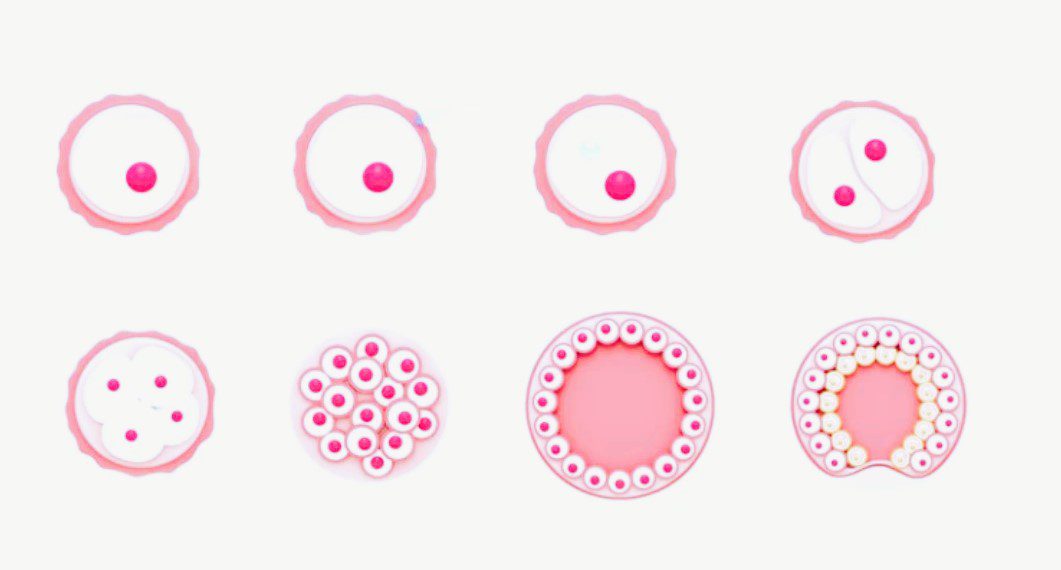
Embryo development starts with egg retrieval and fertilization. This leads to early embryo culture. A fresh embryo transfer happens soon after fertilization, when the embryo is at a critical stage.
On the other hand, frozen embryo transfer (FET) uses cryopreservation to save embryos for later. This method allows for more flexibility in timing. Embryos can be thawed and transferred when it’s best for the patient.
Medical Considerations for Fresh vs Frozen Embryos
Medical factors are important to consider. Fresh embryo transfers can be stressful, which is bad if the patient had OHSS during IVF. OHSS can harm embryo quality and health.
So, while fresh embryos are good for timing, frozen embryos are better for quality and health. This makes frozen embryos a better choice for successful pregnancies.
| Aspect | Fresh Embryos | Frozen Embryos |
| Timing of Transfer | Performed shortly after fertilization | Can be deferred for later transfer |
| Embryo Condition | At optimal development stage | Thawed, may affect viability |
| Stress on Body | Higher due to ovarian stimulation | Lower, with cooling and thawing process |
| Success Rates | Varies based on immediate conditions | Quality assessment can enhance outcomes |
Success Rates of Frozen and Fresh Embryo Transfers

When it comes to frozen embryo success rates versus fresh embryo transfer success rates, it’s a big deal. Recent studies show frozen embryo transfers often have higher success rates. This makes them a good option for couples trying to conceive.
Knowing the stats and what affects them can help couples make better choices. It’s all about understanding the numbers and the factors that play a part.
Statistical Insights on Live Birth Rates
Studies have shown that frozen embryo transfers have better live birth rates. A big study found frozen transfers had a 60% live birth rate, while fresh transfers had a 50% rate. This shows frozen embryos might be a better choice in some cases.
Factors Influencing Success Rates
Success rates for both frozen and fresh embryo transfers depend on a few key things:
Age of the woman: Women over 35 might see better success with frozen transfers.
Embryo quality: Better quality embryos can lead to higher success rates, affecting the choice between transfer types.
Uterine receptivity: The timing and health of the uterine lining at transfer are key for success.
These factors are important in deciding between fresh or frozen embryos for a successful pregnancy.
| Transfer Type | Live Birth Rate (%) | Recommended Age Group |
| Frozen Embryo Transfer | 60 | All age groups, better for older women |
| Fresh Embryo Transfer | 50 | Under 35, varies for older women |
Benefits of Fresh Embryo Transfers
Fresh embryo transfers have many advantages. They are available right away, which is great for couples who want to start a family quickly. This makes them feel hopeful and ready to try for a baby right after egg retrieval.
Immediate Availability
When you choose a fresh embryo transfer, you get results fast. Eggs are fertilized and then transferred immediately. This quick action gives couples a sense of urgency and hope.
It helps them make quicker decisions about starting a family. This can make the IVF journey less stressful and more positive.
Higher Feel of Control in Timing
Fresh embryo transfers give couples more control over when they start trying to conceive. This control can make them feel more confident and less anxious. It lets them enjoy the journey of trying to have a baby without worrying too much.
The Advantages of Using Frozen Embryos
Frozen embryos bring many benefits for those looking to start a family. One key advantage is the lower risk of Ovarian Hyperstimulation Syndrome (OHSS). This condition can be a problem during fresh embryo cycles. Using frozen embryos helps avoid some of these risks, making pregnancy safer.
Reduced Risk of Ovarian Hyperstimulation Syndrome (OHSS)
OHSS happens when the ovaries react too strongly to fertility drugs. Frozen embryos offer a safer way, which is great for women at higher risk. This approach reduces OHSS chances, making the path to parenthood smoother and safer.
Ability to Test Embryo Quality Before Transfer
Genetic testing on embryos before transfer is a big plus. It helps check for chromosomal issues and other genetic problems. This way, parents can make better choices, leading to higher success rates in frozen embryo transfers. It also fits well with today’s family planning, giving parents more control over their journey.
Comparative Success Rates of Frozen vs Fresh Embryos
It’s important to know the success rates of frozen and fresh embryo transfers for those thinking about IVF. Recent studies show interesting facts about live birth rates for these methods. Women who choose frozen transfers often see better results than those who go for fresh transfers.
Each person’s situation is different, which makes finding the right treatment plan key.
Live Birth Rates from Recent Studies
Recent studies have looked closely at how well frozen embryos work in IVF. They found that, on average, women do better with frozen blasts. Here’s a table that shows the live birth rates for both types of transfers.
| Type of Transfer | Live Birth Rate (%) |
| Fresh Embryo Transfer | 35-45 |
| Frozen Embryo Transfer | 45-55 |
Pregnancy Outcomes Based on Different Patient Profiles
Outcomes can vary a lot based on who you are and your health. Things like age and fertility issues, like PCOS, matter a lot. Here are some important points to keep in mind:
Women under 35 often do better with frozen embryos.
Those with hormonal problems might find frozen transfers more stable.
Age and health greatly affect success rates with frozen embryos.
Factors Affecting Embryo Quality
Embryo quality is key to the success of both frozen and fresh embryo transfers. Many factors affect embryo viability. It’s important for those trying to conceive to know about these factors. The age of the woman and sperm quality are two major factors.
-Age of the Woman
The age of the woman greatly affects embryo quality in IVF. As women get older, after 35, their eggs quality and number go down. This can make it harder to get fertilized and for embryos to grow well. Knowing this helps people make better choices about fertility treatments.
-Sperm Quality and Selection
Sperm quality is also very important for good embryos. Healthy sperm is needed to fertilize the egg. Things like how well the sperm moves, its shape, and amount can affect success. Choosing the best sperm can help increase the chances of successful fertilization and better embryo quality. This is a big part of choosing the right fertility treatment.
| Factors | Impact on Embryo Quality |
| Age of the Woman | Decreased egg quality, lower fertilization rates, and reduced embryo viability. |
| Sperm Quality | Improved fertilization rates and better embryo development. |
The Embryo Transfer Procedure
The embryo transfer procedure is a key step towards having a baby. Knowing what to do before and during the transfer can help ease worries. This info helps people feel more ready and in control.
Preparing for Frozen Embryo Transfers
Getting ready for a frozen embryo transfer involves important steps. These steps help make sure the uterus is ready for the embryo. Here are the main things to consider:
Hormonal medications: These help get the uterine lining ready for the embryo.
Endometrial receptivity assay (ERA): This test finds the best time for the embryo transfer.
Monitoring ultrasound: Ultrasounds check the uterine lining’s thickness.
What to Expect During the Transfer
The embryo transfer is a simple procedure. Here’s what happens:
The procedure takes place in a clinic and doesn’t need anesthesia.
You might feel some pressure or discomfort, but it shouldn’t hurt.
After the transfer, rest is important to help the embryo implant.
Conclusion
Understanding the differences between frozen and fresh embryos is key for those planning to have a family. This article has covered the main benefits of each choice and their IVF success rates. It’s important to think about your personal situation, medical history, and advice from fertility experts when deciding.
Choosing between frozen or fresh embryos should match your family goals. Learning about the success rates of each option helps you make a confident decision. Remember, making informed choices with professional help can lead to the best outcome for your family.
By learning about embryo transfer, you gain important knowledge for your future. Whether you choose fresh or frozen embryos, knowing the facts helps you make the right choice for your family.
💫 Why Intended Parents Choose Complete Surrogacy for a Safe, Smooth & Successful Surrogacy Journey:
🌍 Access to multiple surrogacy destinations with 15+ years of international experience
🏥 Partnerships with top-tier fertility clinics and agencies, backed by references from past clients
👩🦱 Diverse egg donor options: Asian, Caucasian, African, Oriental, and more
💸 Transparent and affordable pricing—direct payments with no extra agency fees
🔒 No hidden costs—all charges are agreed upon upfront
🤝 Dedicated case manager for personalized support
📲 Fast, honest, and clear communication throughout
📑 Full legal support for visas, documentation, and baby exit processes
🚚 Assistance with frozen sperm/embryo shipment logistics

FAQ-Frozen vs Fresh Embryos
What is the difference between frozen and fresh embryos?
Frozen embryos are stored after fertilization and can be thawed later. Fresh embryos are used right away after fertilization. Both have their own benefits and challenges in fertility treatments.
What are the success rates for frozen versus fresh embryo transfers?
Studies show frozen embryo transfers might have better success rates. This depends on age and embryo quality.
Why might couples choose fresh embryo transfers?
Choosing fresh transfers means immediate action after egg retrieval. It also reduces anxiety and stress related to IVF.
What are the advantages of using frozen embryos?
Frozen embryos lower the risk of OHSS. They also allow for genetic testing before transfer, boosting implantation chances.
How do various factors affect embryo quality?
A woman’s age greatly affects egg quality and embryo viability. Sperm quality is also key for fertilization and growth.
Frozen vs Fresh Embryos: Success Rates Compared
What can patients expect during the embryo transfer procedure?
The transfer is a simple procedure, often without anesthesia. For frozen transfers, the uterus is prepared with hormones. Tests like the ERA might be done.
How does embryo cryopreservation work?
Cryopreservation freezes embryos in liquid nitrogen at very low temperatures. This keeps them viable for future use.
What impact does a woman’s age have on IVF success rates?
Age is very important. Older women have lower egg and embryo quality, affecting success rates in both frozen and fresh transfers.
Can genomic testing improve embryo transfer outcomes?
Yes, testing embryos for genetic issues before transfer can improve success. It ensures only healthy embryos are used.
Additional guides reference :