

Find a Surrogate for Twins: Your Expert Guidance

Finding a surrogate to carry twins is a unique and deeply personal journey that requires careful planning, expert guidance, and the right medical support. Twin surrogacy involves additional considerations — from selecting a healthy and emotionally prepared surrogate to understanding the medical, legal, and financial aspects involved in a multiple pregnancy.
Whether you’re an intended parent exploring surrogacy for the first time or specifically hoping for twins, having a well-structured plan and experienced professionals by your side ensures a safe, smooth, and positive outcome for both the surrogate and the babies.
🔑 Quick Reference Table – Finding a Surrogate for Twins
| Aspect | Details / Key Considerations |
|---|---|
| Eligibility | Intended parents should have a medical need or legal indication for surrogacy. Surrogate must meet health, BMI, and psychological screening standards. |
| Process Steps | 1. Select surrogacy agency/clinic 2. Surrogate screening & matching 3. IVF with double embryo transfer (DET) 4. Pregnancy monitoring with specialized care for multiples |
| Medical Focus | Twin pregnancies are considered high-risk – require regular scans, nutrition planning, and close monitoring by obstetrician & fertility clinic. |
| Legal Requirements | Country-specific surrogacy laws apply – ensure proper contracts cover twin pregnancy scenarios, parental rights, and compensation terms. |
| Estimated Cost | Typically 20-30% higher than single pregnancy surrogacy due to additional medical care, monitoring, and delivery costs. |
| Delivery Planning | Higher chance of C-section delivery. Plan for NICU availability if babies are born premature (common in twin pregnancies). |
| Support System | Emotional counseling for surrogate & intended parents recommended due to additional physical/psychological demands of twin pregnancy. |
Key Takeaways
- Understanding the complexities of twin surrogacy is essential for prospective parents.
- The journey involves unique medical, financial, and emotional considerations.
- Careful planning and specialized knowledge are required for twin surrogacy.
- This guide provides expert insights and real experiences to clarify the process.
- Prospective parents, including LGBTQ+ families, will find valuable information to support their journey.
📞 Get in Touch for a Free Surrogacy Consultation
📱 +91-8800481100 (WhatsApp | LINE | Viber)
💫 Why Intended Parents Choose Complete Surrogacy for a Safe, Smooth & Successful Surrogacy Journey:
🌍 Access to multiple surrogacy destinations with 15+ years of international experience
🏥 Partnerships with top-tier fertility clinics and agencies, backed by references from past clients
👩🦱 Diverse egg donor options: Asian, Caucasian, African, Oriental, and more
💸 Transparent and affordable pricing—direct payments with no extra agency fees
🔒 No hidden costs—all charges are agreed upon upfront
🤝 Dedicated case manager for personalized support
📲 Fast, honest, and clear communication throughout
📑 Full legal support for visas, documentation, and baby exit processes
Additional guides for surrogacy in the USA:
Surrogacy In the USA is Made Easy and Affordable.
How Much do Surrogacy Agencies Charge in the USA?
How Much Does Surrogacy Cost in the USA?
Why USA Couples Should Do Surrogacy In Georgia, Europe?
Surrogacy Financing Options For Intended Parents
Why Surrogacy Costs So Much And How To Manage It?

Understanding Twin Surrogacy: What Makes It Different
The prospect of twin surrogacy can be particularly appealing to intended parents who have faced significant challenges in their path to parenthood. Twin surrogacy allows them to complete their family in a single pregnancy, which can be both emotionally fulfilling and financially beneficial.
Twin pregnancies in surrogacy occur when two embryos are transferred during the IVF process, resulting in a successful implantation of both. This can happen naturally or through the transfer of multiple embryos to increase the chances of a successful pregnancy.
How Twin Pregnancies Occur in Surrogacy
In surrogacy, twin pregnancies typically occur when multiple embryos are transferred to the surrogate’s uterus during the IVF process. This practice is often used to increase the likelihood of a successful pregnancy, especially in cases where the quality or number of embryos is a concern. The decision to transfer multiple embryos is made carefully, considering the surrogate’s health and the intended parents’ preferences.

Why Some Intended Parents Choose Twin Surrogacy
Many intended parents are drawn to twin surrogacy for various reasons. Some of the key factors include:
The desire to complete their family in a single pregnancy, especially after experiencing lengthy fertility struggles or multiple failed attempts.
Financial considerations, as twin surrogacy, while more costly than a singleton pregnancy, may be more economical than undertaking two separate surrogacy journeys.
The emotional fulfillment of welcoming two children simultaneously can be particularly significant for families who have waited years to become parents.
Additionally, age can be a factor, as older intended parents may prefer to have multiple children without the need for sequential surrogacy journeys. The surrogacy process is complex and demanding, making the option to have twins appealing to those who wish to minimize the number of times they navigate this challenging journey.
| Reasons for Choosing Twin Surrogacy | Benefits |
| Completing a family in one pregnancy | Emotional fulfillment, reduced overall cost compared to two separate surrogacy journeys |
| Financial considerations | Potential cost savings, reduced need for multiple surrogacy attempts |
| Age factors | Allows older intended parents to have multiple children without waiting for sequential surrogacy journeys |
As intended parents consider their journey to parenthood, the option of twin surrogacy can provide a meaningful path forward, allowing them to build their family in a way that is both emotionally and financially viable.
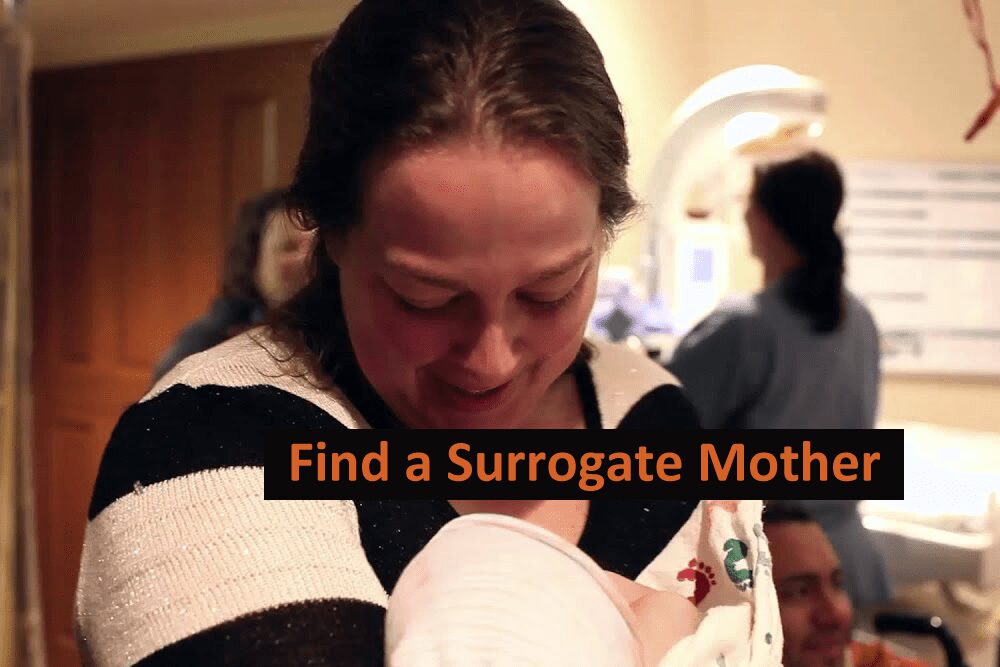
The Process of Finding a Surrogate for Twins
When searching for a surrogate to carry twins, intended parents must be prepared for a multifaceted process. This journey involves several key steps and considerations to ensure a successful surrogacy arrangement.
Working with Surrogacy Agencies vs. Independent Matching
Intended parents have two primary options when searching for a surrogate: working with a surrogacy agency or pursuing independent matching. Surrogacy agencies provide a comprehensive service, including matching intended parents with suitable surrogates, handling legal and medical arrangements, and offering emotional support throughout the process. In contrast, independent matching requires intended parents to manage these aspects themselves, which can be time-consuming and emotionally challenging.
Working with a surrogacy agency can streamline the process, as they have established networks of surrogates and professionals experienced in twin surrogacies. Agencies often have rigorous screening processes in place to ensure compatibility between intended parents and surrogates.
Selecting a Fertility Clinic with Twin Surrogacy Experience
Choosing a fertility clinic with experience in twin surrogacies is crucial for the success of the process. A clinic with a proven track record in handling twin pregnancies will be better equipped to manage the unique challenges that arise. Look for clinics that have specialists with personal experience in surrogacy, providing both professional expertise and personal empathy.
It’s essential to evaluate a clinic’s success rates, particularly in twin surrogacy cases, and assess their approach to managing the complexities involved. Your fertility clinic should offer comprehensive care and support throughout the journey.

Finding LGBTQ+ Friendly Providers
For LGBTQ+ intended parents, finding a fertility clinic that is not only welcoming but also provides expert, culturally competent care is vital. Clinics with positive reputations within the LGBTQ+ community and high success rates can offer confidence in their decision.
LGBTQ+ intended parents seeking twin surrogacy benefit from working with providers who have specific experience supporting diverse family structures through this specialized journey.
Cultural competence in healthcare becomes even more important when navigating the complex medical decisions involved in twin surrogacy arrangements.
Many fertility clinics now offer LGBTQ+ specific consultation services that address the unique legal, medical, and emotional aspects of twin surrogacy for these families.
Evaluating a provider’s inclusive language, policies, and representation in their marketing materials can provide initial insights into their cultural competence. Seeking recommendations from LGBTQ+ parenting groups can also help identify providers with proven track records of inclusive and supportive care throughout the twin surrogacy process.
Medical Considerations for Twin Surrogacy
Twin surrogacy presents unique medical considerations that intended parents and surrogates must be aware of. The complexities of carrying twins necessitate a deeper understanding of the potential risks and complications involved.
Health Requirements for Surrogates Carrying Twins
Surrogates carrying twins must meet specific health requirements to ensure a safe and healthy pregnancy. These requirements often include a thorough medical screening to assess their overall health and ability to carry a twin pregnancy to term.
Key health factors assessed include:
Previous pregnancy history, particularly any history of carrying multiples
Overall physical health, including factors like BMI and blood pressure
Presence of any pre-existing medical conditions that could complicate pregnancy
Understanding the Risks of Twin Pregnancies
Twin pregnancies are classified as higher-risk due to the increased chances of complications. Understanding these risks is crucial for informed decision-making.
The potential risks include:
| Complication | Description | Impact |
| Preterm Birth | Birth before 37 weeks of gestation | Increased risk of hospitalization and developmental issues |
| Preeclampsia | High blood pressure and organ damage | Risks to both surrogate’s and babies’ health |
| Gestational Diabetes | Diabetes developed during pregnancy | Increased risk of cesarean delivery and postpartum complications |
As shown in the table, twin pregnancies carry significant risks that require careful medical management. Working with experienced healthcare providers is essential to mitigate these risks and ensure the best possible outcomes.

Surrogacy cost for Twin Surrogacy
The journey to parenthood through twin surrogacy involves significant financial considerations that intended parents must carefully plan for. Twin surrogacy presents unique financial challenges compared to singleton surrogacy, primarily due to the increased medical costs associated with multiple births.
Additional Costs Specific to Twin Pregnancies
Twin pregnancies are considered high-risk and often require more frequent medical monitoring, additional testing, and sometimes more complex prenatal care. These factors contribute to higher medical expenses. Furthermore, the likelihood of NICU (Neonatal Intensive Care Unit) stays and other specialized care for the twins can substantially increase the overall cost.
Key additional costs include:
Increased surrogate compensation due to the higher risks associated with twin pregnancies
More frequent prenatal visits and monitoring
Higher costs for neonatal care and potential NICU stays
Potential for complications during pregnancy that may require additional medical interventions
Insurance Considerations for Multiple Births
Insurance planning is critical in twin surrogacy arrangements. Many standard surrogate insurance policies have exclusions or limitations for multiple births, making it essential to secure specialized insurance coverage. Timing the surrogacy process around insurance open enrollment periods can be crucial to ensure appropriate coverage is in place before embryo transfer.
It’s vital to work with insurance brokers who specialize in surrogacy arrangements and understand the unique considerations for multiple births. Specialized newborn insurance policies for surrogacy-born twins can be particularly costly, often exceeding $40,000 per baby. International intended parents may face additional insurance challenges and may need to consider specialized global coverage or medical evacuation insurance.
To navigate these complexities, intended parents should make sure to plan ahead, considering both the immediate costs of the surrogacy process and the potential long-term expenses associated with raising twins. Effective financial planning and insurance coverage are key to managing the financial aspects of twin surrogacy successfully.
Conclusion
The journey to having twins via surrogacy requires careful planning, patience, and resilience. As intended parents navigate this complex path, understanding the unique aspects of twin surrogacy is crucial.
The process involves several key steps, from selecting a surrogacy agency to medical procedures like egg donation. While it may seem overwhelming, breaking it down into manageable parts creates a clearer roadmap.
Key considerations include:
- Understanding the complexities and additional considerations of twin surrogacy
- Preparing for the emotional and financial investments required
- Building a support network for the journey ahead
Ultimately, the surrogacy journey, though challenging, is a rewarding path to parenthood. With the right mindset and support, intended parents can successfully navigate the process and build their family.
📞 Get in Touch for a Free Surrogacy Consultation
📱 +91-8800481100 (WhatsApp | LINE | Viber)
💫 Why Intended Parents Choose Complete Surrogacy for a Safe, Smooth & Successful Surrogacy Journey:
🌍 Access to multiple surrogacy destinations with 15+ years of international experience
🏥 Partnerships with top-tier fertility clinics and agencies, backed by references from past clients
👩🦱 Diverse egg donor options: Asian, Caucasian, African, Oriental, and more
💸 Transparent and affordable pricing—direct payments with no extra agency fees
🔒 No hidden costs—all charges are agreed upon upfront
🤝 Dedicated case manager for personalized support
📲 Fast, honest, and clear communication throughout
📑 Full legal support for visas, documentation, and baby exit processes
🚚 Assistance with frozen sperm/embryo shipment logistics

FAQs for finding a surrogate for a twin pregnancy
What are the chances of having a successful twin pregnancy via gestational surrogacy?
The success of a twin pregnancy through gestational surrogacy depends on various factors, including the quality of the embryos, the health of the surrogate, and the expertise of the fertility clinic. Generally, the chances of a successful twin pregnancy are influenced by the age of the egg donor or intended mother, with younger ages typically having higher success rates.
How does the age of the egg donor or intended mother impact the success of twin surrogacy?
The age of the egg donor or intended mother significantly affects the success of twin surrogacy. As age increases, the quality and quantity of eggs decline, making it more challenging to achieve a successful pregnancy. Using eggs from a younger donor can improve the chances of a successful twin pregnancy.
What are the health requirements for surrogates carrying twins?
Surrogates carrying twins must meet specific health requirements, including being in excellent physical health, having a history of uncomplicated pregnancies, and being within a healthy weight range. They must also undergo thorough medical screening to ensure they can carry a twin pregnancy safely.
How does insurance coverage work for twin surrogacy?
Insurance coverage for twin surrogacy varies depending on the insurance provider and policy. Some plans may cover certain aspects of the surrogacy process, while others may not. It’s essential to review your insurance coverage and discuss options with your fertility clinic and insurance provider to understand what’s included.
What are the additional costs associated with twin surrogacy?
Twin surrogacy involves additional costs compared to singleton surrogacy, including increased medical expenses, higher surrogate compensation, and other costs related to caring for two babies. These costs should be carefully considered and planned for when pursuing twin surrogacy.
How can intended parents support their surrogate during a twin pregnancy?
Intended parents can support their surrogate during a twin pregnancy by maintaining open and regular communication, being responsive to their needs, and showing appreciation for their efforts. This support can help ensure a positive experience for both the surrogate and the intended parents.
Learn more:
- Resolve: The National Infertility Association
https://resolve.org