
Fertility Preservation for Cancer Patients: Options & Timelines

A cancer diagnosis can be overwhelming, but planning for future parenthood is possible through fertility preservation for cancer patients: options & timelines. Treatments like chemotherapy and radiation can impact reproductive potential, making early intervention crucial. In this article, we’ll explore the main preservation options, ideal timing, and strategies to safeguard fertility while navigating cancer treatment.
This guide explains the ways to preserve fertility for cancer patients and the important timelines. Knowing when and how to start can greatly improve the chances of having a family after cancer treatment.
Summary Table for Fertility Preservation
| Preservation Option | How It Works | Ideal Timing | Notes / Considerations |
| Egg Freezing (Oocyte Cryopreservation) | Mature eggs are retrieved and frozen for future use | Before chemotherapy or radiation | Requires ovarian stimulation (approx. 2 weeks); suitable for post-pubertal women |
| Embryo Freezing | Eggs are fertilized with sperm, and embryos are frozen | Before cancer treatment | Requires partner or donor sperm; high success rates in future IVF cycles |
| Ovarian Tissue Freezing | Ovarian tissue is surgically removed and frozen | Immediately can be done quickly | Can be re-implanted later; option for prepubertal girls or urgent treatment |
| Sperm Freezing (Cryopreservation) | Semen is collected and frozen | Before chemotherapy or radiation | Simple, quick, and highly effective; suitable for men of any reproductive age |
| Testicular Tissue Freezing | Testicular tissue is removed and frozen | Before treatment, especially in prepubertal boys | Experimental in some cases; potential future fertility restoration |
| Ovarian Suppression (GnRH Agonists) | Medications used during chemotherapy to protect the ovaries | During chemotherapy | Evidence is mixed; often used in combination with other preservation methods |
Key Takeaways
- Infertility affects nearly 10% of cancer patients undergoing treatment.
- Fertility preservation is key for future family planning.
- Many options are available, like sperm banking and egg freezing.
- Timing is critical for successful fertility preservation.
- Talking to healthcare providers helps make informed choices.
- Understanding costs and success rates is important for planning.
📞 Get in Touch for a Free Surrogacy Consultation
📱 +91-8800481100 (WhatsApp | LINE | Viber)
🌐 www.ukrainesurrogacyagency.com
Additional Guides for Surrogate Mother:
Find a Surrogate Mother With or Without an Agency
In Which Country I Find Low-Cost Surrogate Mothers?
How can I Find a Surrogate Without Agency
What is the Age Limit for Surrogate Mothers
How Much Does Surrogacy Cost Using Family Member
How to Start the Gestational Surrogacy Process? A step-by-step guide for Beginners
How Much Does Surrogacy Cost? Everything You Need To Know

Understanding the Importance of Fertility Preservation
Talking about fertility before starting cancer treatment is key for many. These talks help people understand the risks of infertility from cancer treatments. This way, they can make smart choices about their future family plans. Doctors should also talk about fertility preservation counseling to help those who can have kids now.
Why Discuss Fertility Before Cancer Treatment?
Talking about fertility preservation before cancer therapy opens up options for patients. It’s important to know that treatments like chemo and radiation can harm fertility. Knowing this helps patients prepare for the possibility of not being able to have kids later.
Risks of Infertility from Cancer Treatments
Cancer treatments can harm fertility in both men and women. Certain treatments, like alkylating agents or pelvic radiation, can cause early menopause. The chance of infertility goes up a lot with these treatments. Knowing this helps in planning for the future and discussing fertility preservation options for cancer survivors.
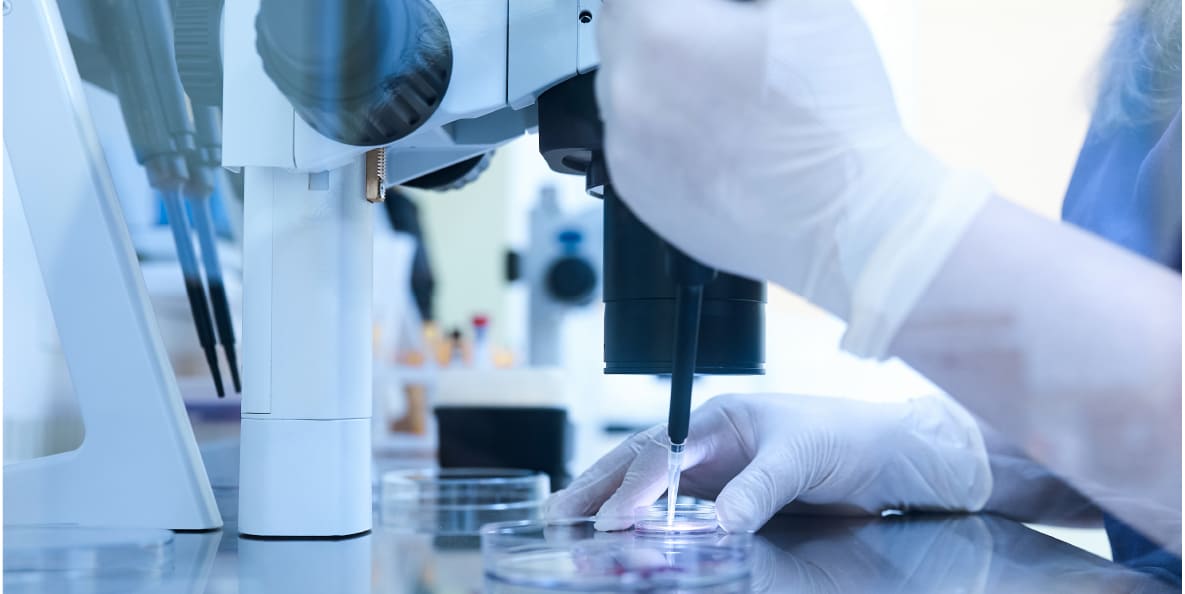
Fertility Preservation for Cancer Patients: Available Options
Many patients with cancer worry about how treatment might affect their fertility. Luckily, there are several ways to preserve fertility. Knowing about these options can help patients plan for the future.
-Sperm Banking for Oncology Patients
Sperm banking is a well-known way for men with cancer to save their sperm. This lets them freeze their sperm before starting treatment. It’s a reliable way to keep fertility options open for the future.
The process is simple. First, a check for infections and genetic issues is done. This ensures the sperm is healthy and can be used later.
-Egg Freezing Techniques for Female Patients
Egg freezing, or oocyte cryopreservation, is a key option for women with cancer. It involves stimulating eggs to grow and then removing them before treatment starts. This method has improved, making it faster and more effective.
It’s a good choice for women without a partner or who prefer not to use donor sperm. It helps them keep their fertility options open during tough times.
-Embryo Cryopreservation Methods
Embryo cryopreservation is another way to preserve fertility. It involves fertilizing eggs with sperm, either from a partner or donor. The embryos are then frozen for later use.
It’s a good option for women with a partner. But, they need to think about the legal and ethical sides of storing and thawing embryos.
-Experimental Techniques: Ovarian Tissue Cryopreservation
Ovarian tissue cryopreservation is a new and experimental method. It’s for young women, even prepubertal girls. It involves freezing ovarian tissue surgically.
It’s useful when cancer treatment is urgent and standard egg retrieval isn’t possible. But, it’s not widely used yet. Patients should look for specialized centers for this treatment.
| Preservation Method | Best Suited For | Key Considerations |
| Sperm Banking | Male cancer patients | Requires collection before treatment; screening for quality |
| Egg Freezing | Female patients without partners or using donor sperm | Hormonal stimulation; may reduce treatment delays |
| Embryo Cryopreservation | Women with male partners | Legal and ethical implications of embryo storage |
| Ovarian Tissue Cryopreservation | Prepubertal girls or urgent need | Experimental technique requiring specialized care |

Fertility preservation for cancer patients
The Role of Healthcare Providers in Fertility Decisions
Healthcare providers are key in talking about fertility with cancer patients. They start these conversations when patients agree to treatment. This helps patients understand their options and make choices that fit their goals.
Discussing Fertility Risks with Patients
Oncologists and fertility experts must talk about fertility preservation counseling during treatment planning. Many cancer treatments can harm fertility. So, it’s important to discuss these risks early.
By explaining oncology fertility preservation options, patients can make informed decisions. They might choose to bank sperm or freeze eggs.
Referral to Reproductive Specialists
If patients want to preserve fertility, they need to see reproductive specialists quickly. These experts give advice and treatments that fit each patient’s needs. Working together, healthcare teams can offer full care in fertility preservation in oncology.
Writing down these referrals to reproductive specialists in medical records helps. It makes sure care continues smoothly and patients can discuss their options further.
Timelines for Implementation of Fertility Preservation
Timing is key when it comes to fertility preservation for cancer patients. Knowing when to start these procedures can help keep future reproductive options open. It’s important for patients to work quickly with their healthcare team, as aggressive treatments can come fast.
Starting fertility preservation before treatment is best. This means reaching out to reproductive experts right after a cancer diagnosis. Egg freezing, for example, takes about two weeks. This shows how urgent it is for patients to act fast.
When to Initiate Fertility Preservation Procedures
For the best results, start fertility preservation before treatment starts. This means contacting reproductive specialists right after finding out about cancer. Hormonal stimulation for egg freezing takes about two weeks.
This short time frame is why patients need to act quickly. It’s important to have a clear plan for these procedures, as treatment can’t always wait.
Understanding Treatment Delays
Adding fertility preservation to treatment plans can cause delays. These delays must be weighed against the risk of infertility later on. It’s key for oncologists and fertility specialists to talk openly about these delays.
This way, patients can get the best chance at preserving their fertility.
| Procedure Type | Typical Duration | Considerations |
| Egg Freezing | 2 weeks | Requires hormonal stimulation; urgency is critical. |
| Sperm Banking | 1-2 hours | Quick process; often less time-sensitive. |
| Embryo Cryopreservation | 2-4 weeks | Involves egg retrieval; needs planning and coordination. |
| Ovarian Tissue Cryopreservation | Variable | Experimental; requires specialized environments. |

Fertility preservation for cancer patients
Costs and Success Rates of Fertility Preservation
It’s important for cancer patients to know about the costs and success rates of fertility preservation. These methods can be expensive. Knowing the costs helps patients plan better.
Financial Considerations for Fertility Preservation
The cost of fertility preservation varies a lot. Sperm banking costs between $5,000 and $7,000. Egg freezing costs the same, but doesn’t include medication. Some clinics offer discounts for cancer patients, but patients often have to pay out of pocket.
Seeking financial counseling can help manage these costs. It’s a way to understand the financial side of fertility preservation better.
Success Rates of Different Preservation Methods
Success rates vary with each method. For example, embryo cryopreservation can have a success rate of up to 39% after thawing. Egg freezing success rates are less consistent, with a drop in success for women over 35.
Knowing these success rates is key. It helps patients make informed choices about their fertility preservation.
| Fertility Preservation Method | Average Cost ($) | Success Rate (%) |
| Sperm Banking | 5,000 – 7,000 | N/A |
| Egg Freezing | 5,000 – 7,000 | 20 – 40 |
| Embryo Cryopreservation | 6,000 – 10,000 | 39 |
Conclusion
Fertility preservation for cancer survivors is key in cancer care. Advances in reproductive technology give patients many options to protect their fertility before treatments that could harm it. Early talks about fertility options help patients keep control over their family plans.
Preserving fertility does more than just help medically. It improves the lives of cancer survivors as they go through treatment. It lets them dream of having a family, matching their personal dreams and values. Knowing about these options also reduces worry and makes treatment easier to handle.
In short, adding fertility preservation to cancer care can change lives. By talking about it early and making informed choices, we help cancer survivors feel hopeful about having children. This creates a supportive space for them to move forward with confidence.
💫 Why Intended Parents Choose Complete Surrogacy for a Safe, Smooth & Successful Surrogacy Journey:
🌍 Access to multiple surrogacy destinations with 15+ years of international experience
🏥 Partnerships with top-tier fertility clinics and agencies, backed by references from past clients
👩🦱 Diverse egg donor options: Asian, Caucasian, African, Oriental, and more
💸 Transparent and affordable pricing—direct payments with no extra agency fees
🔒 No hidden costs—all charges are agreed upon upfront
🤝 Dedicated case manager for personalized support
📲 Fast, honest, and clear communication throughout
📑 Full legal support for visas, documentation, and baby exit processes
🚚 Assistance with frozen sperm/embryo shipment logistics

FAQ-Fertility Preservation for Cancer Patients
What is fertility preservation for cancer patients?
Fertility preservation is a way to protect reproductive options before cancer treatments start. Treatments like chemotherapy or radiation can harm fertility. This method helps keep these options open.
What fertility preservation options are available for cancer patients?
There are several options. Men can bank sperm. Women can freeze eggs or embryos. There’s also ovarian tissue cryopreservation for some cases.
When should cancer patients consider fertility preservation?
Patients should think about it as soon as they’re diagnosed. It’s best to talk about it before starting treatments. This way, they can make informed choices.
How does chemotherapy affect fertility?
Chemotherapy can harm fertility, mainly with certain treatments. These can cause early menopause or failure of the ovaries.
What is the process of sperm banking for oncology patients?
Sperm banking starts with collecting and freezing sperm before treatment. It includes tests for infections and genetic issues to ensure quality.
How does egg freezing work?
Egg freezing uses hormones to grow eggs. Then, they’re frozen for later use. It’s a good option for women without a partner.
What should patients expect from embryo cryopreservation?
Embryo cryopreservation involves fertilizing eggs and freezing the embryos. It’s a reliable choice for women with a partner.
What is ovarian tissue cryopreservation?
This method involves freezing ovarian tissue. It’s experimental but might be suitable for young girls or urgent cases.
How important is communication between oncologists and reproductive specialists?
Good communication is key. It ensures fertility options fit into the treatment plan. This helps patients make informed choices about their reproductive health.
What financial considerations should be made for fertility preservation?
Costs vary, from $5,000 to $7,000 for sperm or egg freezing. Medication costs add more. Financial counseling can help manage these expenses.
What are the success rates for fertility preservation methods?
Success rates vary. For thawed embryos, it’s up to 39%. Egg freezing success drops with age, over 35.