

How to Choose the Best Surrogacy Destination For You: What Most Clinics Don’t Tell You

How to Choose the Best Surrogacy Destination For You
Are you aware of the crucial factors that can make or break your surrogacy journey? For many intended parents, selecting the right surrogacy destination is a decision that influences not just medical outcomes, but also the overall experience.
The surrogacy clinic you choose plays a significant role in determining the success of your surrogacy. With numerous options available, it’s essential to consider various aspects, including surrogacy legalities, surrogacy costs, and the surrogacy process itself.
As you navigate the complex world of surrogacy, understanding the intricacies of surrogacy options and surrogacy success rates can help you make an informed decision.
Key Takeaways
- Understand the importance of choosing the right surrogacy destination
- Consider the legal, medical, and logistical aspects of surrogacy
- Research surrogacy clinics and their success rates
- Familiarize yourself with surrogacy costs and options
- Evaluate the surrogacy process and its requirements
📞 Get in Touch for a Free Surrogacy Consultation
📱 +91-8800481100 (WhatsApp | LINE | Viber)
Why Intended Parents Choose us for a Safe, Smooth & Successful Surrogacy Journey:
🌍 Access to multiple surrogacy destinations with 15+ years of international experience
🏥 Partnerships with top-tier fertility clinics and agencies, backed by references from past clients
👩🦱 Diverse egg donor options: Asian, Caucasian, African, Oriental, and more
💸 Transparent and affordable pricing—direct payments with no extra agency fees
🔒 No hidden costs—all charges are agreed upon upfront
🤝 Dedicated case manager for personalized support
📲 Fast, honest, and clear communication throughout
📑 Full legal support for visas, documentation, and baby exit processes
🚚 Assistance with frozen sperm/embryo shipment logistics
Our Other Surrogacy Country pages :
https://www.ivfconceptions.com/surrogacy-in-india/
https://www.ivfconceptions.com/surrogacy-in-ukraine/
https://www.ivfconceptions.com/surrogacy-in-georgia/
https://www.ivfconceptions.com/surrogacy-in-colombia/
https://www.ivfconceptions.com/surrogacy-in-kazakhstan-for-intended-parents/

How to Choose the Best Surrogacy Destination For You
The Hidden Realities of the Surrogacy Process
Understanding the surrogacy process involves grasping both the emotional and practical hurdles. As you start this journey, knowing the aspects clinics might not openly share is crucial.
The Emotional Journey Most Clinics Downplay
The emotional side of surrogacy is often more intricate than expected. It’s not just about the joy of creating a family. It also includes stress, anxiety, and uncertainty. It’s vital to prepare for the emotional ups and downs.
Counseling services are offered by many clinics. However, the quality and extent can vary widely. Knowing what emotional support is available and what to expect is key.
Timeline Expectations vs. Reality
Clinics usually give a general timeline for the surrogacy process. But, the actual time frame can differ significantly. Health of the surrogate, embryo quality, and legal requirements all play a role.
Having flexible expectations is crucial. Working closely with your clinic to understand potential delays and challenges is essential.
Initial Questions Clinics Often Avoid Answering
At the start of the surrogacy journey, intended parents have many questions. These include costs, legal implications, and the process itself. While clinics should provide detailed information, some aspects might be overlooked or not fully explained.
- What are the specific costs involved, and what are the payment terms?
- How are surrogates screened and matched with intended parents?
- What are the legal rights and responsibilities of all parties involved?
Being well-informed and asking the right questions can greatly influence your surrogacy experience.
Legal Landscapes: Navigating International and Domestic Surrogacy Laws
Grasping the legal aspects of surrogacy is vital for both intended parents and surrogates. Laws vary globally, creating a complex legal environment. This environment includes both international and domestic laws, significantly influencing your journey.

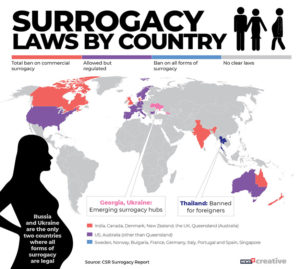 Countries with Favorable Surrogacy Laws
Some nations have laws that favor surrogacy, offering clarity and protection. For example, the USA, Ukraine, and Georgia have well-defined laws. These countries make the surrogacy process smoother, reducing legal hurdles.
- The United States is known for its surrogacy-friendly laws, with some states having specific legislation that protects the rights of intended parents and surrogates.
Ukraine and Georgia also offer favorable legal conditions, making them popular destinations for international surrogacy.
Red Flags in Legal Frameworks
Not all countries have favorable surrogacy laws. It’s crucial to identify legal red flags before starting surrogacy. Countries with restrictive laws or criminalizing aspects of surrogacy pose risks to all involved.
Key red flags include:
- Lack of clear legislation regarding surrogacy.
- Laws that favor the surrogate’s rights over those of the intended parents.
- Restrictions on who can be a surrogate or intended parent.
Securing Parentage Rights and Birth Certificate Issues
Securing parentage rights is a critical legal aspect of surrogacy. This involves obtaining a birth certificate that lists the intended parents as legal parents. The process can be complex, especially in international cases, where multiple laws may apply.
To navigate these challenges, it’s crucial to:
- Work with legal professionals who specialize in surrogacy law.
- Understand the legal requirements for surrogacy in the country where the baby will be born.
- Ensure that the surrogacy agreement is legally binding and covers all necessary aspects, including parentage rights.
By understanding the legal landscapes of surrogacy and taking steps to navigate them effectively, intended parents and surrogates can minimize legal risks and ensure a smoother surrogacy journey.

True Cost of Surrogacy: Beyond the Advertised Prices
Prospective parents often find that the advertised surrogacy costs are just the tip of the iceberg. As you navigate the complex journey of surrogacy, understanding the true cost is essential for effective financial planning.
Hidden Fees and Unexpected Expenses
Surrogacy clinics often advertise a base price that doesn’t include additional services and fees. You should be aware of potential hidden costs, such as:
- Agency fees
- Legal expenses
- Medical costs not covered by the base fee
- Travel and accommodation expenses for intended parents
These costs can significantly increase the overall expense of surrogacy. “The financial aspect of surrogacy is multifaceted, and intended parents must be prepared for the total cost,” says an expert in surrogacy financing.
Insurance Complications and Coverage Gaps
Insurance coverage for surrogacy varies widely, and gaps in coverage can lead to significant out-of-pocket expenses. You need to understand what is covered and what is not, including:
- Maternity insurance for the surrogate
- Fertility treatment costs
- Coverage for the intended parents
A thorough review of insurance policies is crucial to avoid unexpected medical bills.
Financial Protection Strategies
To mitigate the financial risks associated with surrogacy, consider the following financial protection strategies:
- Create a comprehensive budget that includes all potential costs
- Research and compare different surrogacy clinics and their pricing
- Consult with a financial advisor specializing in surrogacy
By taking proactive steps, you can better manage the financial aspects of surrogacy.
Cost Comparison: Domestic vs. International Programs
The cost of surrogacy can vary significantly depending on whether you choose a domestic or international program. Here’s a brief comparison:
| Program Type | Average Cost | Key Factors Affecting Cost |
| Domestic Surrogacy | $100,000 – $150,000 | Agency fees, legal costs, surrogate compensation |
| International Surrogacy | $50,000 – $100,000 | Clinic costs, travel expenses, legal fees |
While international surrogacy may appear more cost-effective, it’s essential to consider the legal complexities and potential risks involved.
In conclusion, understanding the true cost of surrogacy requires a detailed examination of all associated expenses. By being informed and prepared, you can navigate the financial aspects of surrogacy more effectively.
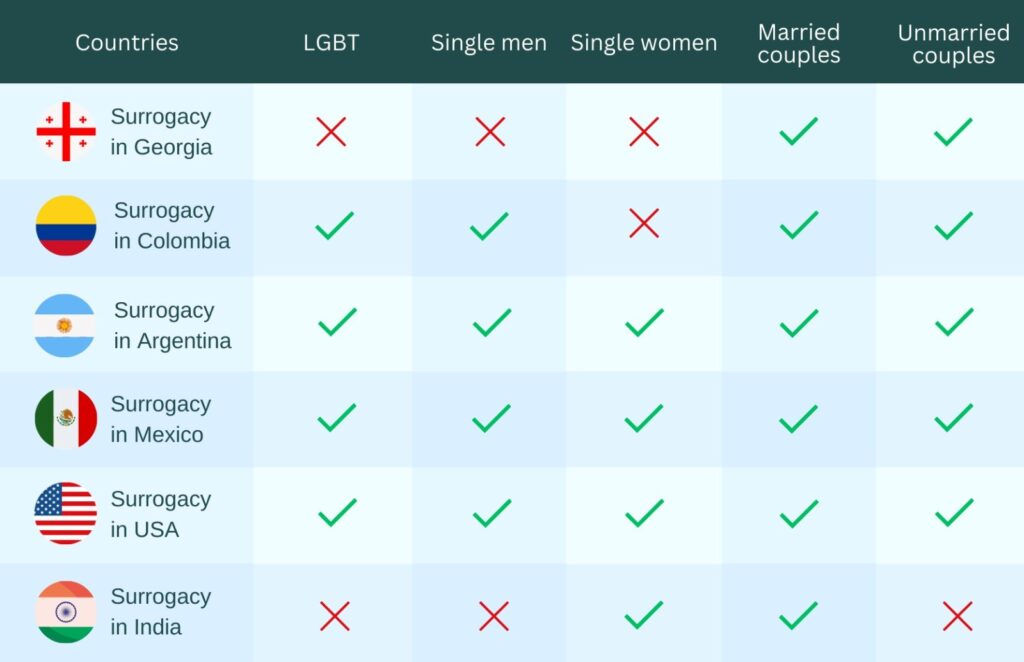
best countries for surrogacy
Choosing a Surrogacy Destination: What Most Clinics Don’t Tell You About Success Rates
Behind the promise of a successful surrogacy journey lies a complex web of factors that clinics often don’t fully disclose. As you navigate the process of choosing a surrogacy destination, understanding the nuances of success rates is crucial.
Interpreting Success Statistics Critically
Success rates in surrogacy can be misleading if not interpreted correctly. Clinics may present statistics in a way that inflates their success rates. For instance, some clinics might report their success rates based on the number of embryo transfers rather than the number of individuals or couples seeking surrogacy. To get a clear picture, you need to understand how the clinic defines “success” and how they calculate their rates.
- Ask for the clinic’s definition of “success rate.”
- Understand the denominator used in their calculations (e.g., number of cycles started, embryo transfers, or individuals).
- Request data on live birth rates per cycle started.
Questions to Ask About Laboratory Practices
The laboratory practices of a clinic play a significant role in determining the success of a surrogacy journey. The quality of the lab’s equipment, the expertise of the embryologists, and the protocols in place for handling embryos can all impact outcomes.
Key questions to ask include:
- What is the lab’s experience with IVF and surrogacy?
- What are the lab’s protocols for embryo culture and cryopreservation?
- Can you tour the lab and meet the embryologists?
The Impact of Medical Tourism on Outcomes
Medical tourism, or traveling to another country for medical care, can complicate the surrogacy process. While it may offer cost savings, it also introduces variables that can affect success rates, such as differences in healthcare standards and legal frameworks.
Consider the following:
- The legal implications of international surrogacy.
- The quality of medical care and follow-up in the destination country.
- The potential for complications and how they will be managed.
Red Flags in Clinic Marketing Materials
When reviewing a clinic’s marketing materials, be aware of red flags that may indicate a lack of transparency or unrealistic promises. These can include overly optimistic success rates, lack of detailed information about their processes, and testimonials that seem too good to be true.
Watch out for:
- Guaranteed success rates or unrealistic promises.
- Lack of clear information about costs, processes, or success rates.
- Overemphasis on testimonials without providing comprehensive data.
Surrogate Selection and Relationship Management
Choosing a surrogate is more than just finding a match. It’s about laying the groundwork for a successful journey. Understanding the complexities of surrogate selection and managing your relationship with your surrogate is crucial.
Agency Screening Processes: What to Verify
When selecting a surrogacy agency, their screening process for surrogates is vital. Ensure the agency conducts thorough screenings, including:
- Medical history and previous pregnancy experiences
- Psychological evaluations to assess emotional readiness
- Background checks to ensure a stable environment
Verifying these processes ensures you’re matched with a surrogate who’s physically and emotionally ready for the journey.
Communication Challenges Across Borders
In international surrogacy, communication challenges can occur due to time zone, language, and cultural differences. Effective communication is essential to overcome these barriers. Agencies often offer support, but it’s crucial for intended parents to establish clear communication channels with their surrogate.
Building a Healthy Relationship with Your Surrogate
Creating a positive relationship with your surrogate is essential for a smooth journey. This involves:
- Regular updates and open communication
- Respecting boundaries while fostering a connection
- Showing appreciation for the surrogate’s efforts and commitment
By doing so, you foster a supportive environment that benefits both you and your surrogate.
Post-Birth Contact Considerations
Deciding on post-birth contact with your surrogate is a personal choice. Some may want regular updates, while others prefer limited contact. Discussing and agreeing on post-birth contact arrangements early ensures a smooth transition for all.
Successful surrogate selection and relationship management depend on thorough screening, effective communication, and a commitment to building a positive and respectful relationship.

Conclusion
Choosing a surrogacy destination is a complex decision that requires careful consideration of multiple factors. These include legal landscapes, costs, success rates, and surrogate selection processes. As you’ve navigated through the intricacies of the surrogacy journey, it’s essential to stay informed. Seeking surrogacy expert advice is crucial to ensure a smooth and successful experience.
When evaluating potential surrogacy destinations, consider the legal frameworks that govern the process. Also, the true costs involved and the success rates of clinics and agencies are important. Understanding these elements will help you make an informed decision. This decision should align with your personal and financial circumstances.
Ultimately, the key to a successful surrogacy journey lies in thorough research and careful planning. A commitment to ethical practices is also essential. By prioritizing your needs and seeking guidance from experienced professionals, you can navigate the surrogacy process with confidence. This will help build a positive foundation for your future family.
📞 Get in Touch for a Free Surrogacy Consultation
📱 +91-8800481100 (WhatsApp | LINE | Viber)
http://www.georgiasurrogacyagency.com
FAQs for how to choose the best surrogacy country
What factors should I consider when choosing a surrogacy destination?
When selecting a surrogacy destination, consider the legal framework, medical standards, and logistical aspects. Also, understand the overall surrogacy process. This knowledge will guide you in making a choice that meets your needs and expectations.
How do I navigate the legal aspects of surrogacy in different countries?
Understanding international and domestic surrogacy laws is crucial. Research countries with favorable laws and be cautious of red flags. Ensure you secure parentage rights to protect your legal interests.
What are the true costs associated with surrogacy beyond the initial prices?
The true cost of surrogacy includes hidden fees and unexpected expenses. Insurance complications can also add to the financial burden. Having financial protection strategies in place is essential for managing these costs.
How do I critically interpret success rates in surrogacy clinics?
To evaluate success statistics, examine laboratory practices and the impact of medical tourism. Be wary of red flags in clinic marketing. Asking the right questions can provide a clearer understanding of a clinic’s success rates.
What should I verify in an agency’s surrogate screening process?
Verify the agency’s criteria for selecting surrogates and their screening procedures. Understanding how they manage surrogate relationships is also crucial. A thorough screening process is essential for a successful journey.
How can I build a healthy relationship with my surrogate?
Building a healthy relationship involves effective communication and mutual respect. Establishing clear boundaries is also important. Understanding cross-border communication challenges and cultural differences can foster a positive relationship.
What are the considerations for post-birth contact with my surrogate?
Discuss and agree on post-birth contact with your surrogate. This can range from maintaining a close relationship to minimal contact. Your preferences and the surrogate’s wishes should guide this decision.
How do I choose between domestic and international surrogacy programs?
Choosing between domestic and international programs depends on legal considerations, cost, and personal preferences. Weigh these factors to decide which option suits you best.
What are the key elements of a successful surrogacy journey?
A successful journey involves careful planning and understanding the process. Selecting the right destination and clinic is also crucial. Managing legal, financial, and emotional aspects is key to navigating this complex process.