
Whose Eggs Are Used in Surrogacy- Your Guide to Egg Donor Surrogacy Process

In surrogacy, eggs can come from the intended mother, an egg donor, or rarely, the surrogate herself—depending on the type of surrogacy and medical circumstances. In modern surrogacy, especially gestational surrogacy, the surrogate is not genetically related to the child; the embryo is created using the intended mother’s or a donor’s egg and transferred via IVF.
This guide will break down the types of surrogacy, who provides the eggs in each case, and how the decision is made based on age, fertility status, and personal preferences—so you can confidently choose the best path for your family.
Surrogacy is complex. It’s important to understand who contributes eggs, the laws, and the health aspects. This knowledge helps you decide if it’s the right choice for you. Let’s learn more about surrogacy egg donors, egg donation for surrogacy, donor eggs for surrogacy, and related topics.
Key Takeaways
- Gestational surrogacy involves using the intended parents’ eggs (or a donor’s) and the father’s sperm to create an embryo, which is then implanted into the surrogate’s uterus.
- Surrogates do not use their own eggs, as this could lead to legal complications for the intended parents when claiming parentage.
- The surrogacy process includes finding a gestational carrier, completing medical screenings and legal contracts, and undergoing IVF and embryo transfer.
- Considerations for intended parents include the risks, benefits, and significant costs associated with gestational surrogacy.
- Surrogacy provides an option for building families when it’s not biologically or physically possible for the intended parents to have a child on their own.

Additional Resources:
Everything You Need To Know (in 2023)
How Much Does Surrogacy Cost Using Family Member
Can My Insurance Provider Pay My Surrogacy Costs?
How Much Does Surrogacy Cost in the USA ( 2023)?
Surrogacy Costs Breakdown for Intended Parents
Understanding Gestational Surrogacy
Gestational surrogacy is a unique way to build a family. It allows someone else to carry and deliver a baby for you or your partner. Through in vitro fertilization (IVF), you can create an embryo. This can involve your own eggs and sperm or those from a donor. Then, this embryo is placed into the womb of a woman acting as a gestational surrogate or carrier.
What is Gestational Surrogacy?
In gestational surrogacy, the woman carrying the child is known as the gestational surrogate or carrier. She does not share a genetic bond with the baby.
The parents who will raise the child are referred to as the intended parents. This method is often chosen over traditional surrogacy. It reduces legal and emotional issues that might come up when the surrogate is related to the baby.
Difference Between Gestational and Traditional Surrogacy
Gestational and traditional surrogacy differ mainly in the genetic link between the surrogate and the child. In gestational surrogacy, the surrogate doesn’t contribute to the egg used for IVF. Instead, the egg comes from the intended mother or a donor. So, the child doesn’t share genes with the gestational carrier.
Traditional surrogacy, however, uses the surrogate’s own egg. This egg is fertilized by sperm, often from the intended father. Therefore, the surrogate has a genetic link to the baby in traditional surrogacy.
| Gestational Surrogacy | Traditional Surrogacy |
| The surrogate carries a pregnancy created using an egg that is not their own, usually from the intended mother or an egg donor. | The surrogate’s own egg is used to create the pregnancy, meaning they are genetically related to the child. |
| No genetic connection between the surrogate and the child. | The surrogate is genetically related to the child. |
| Minimizes potential legal and emotional complications. | Increased risk of legal and emotional complications due to the genetic relationship. |

Whose Eggs Are Used in Surrogacy?
Intended Parents’ Eggs or Donor Eggs
Many consider surrogacy and often talk to a surrogacy agency first. They discuss the process and costs. The agency then helps find a gestational carrier for them. If the intended mother’s eggs are healthy, she might use them. She goes through a process to retrieve them, called IVF. She can also use eggs that were saved from past IVF tries.
After getting the eggs, they mix them with sperm. This creates an embryo. But if the intended mother cannot use her own eggs, they look for an egg donor. This method is used by same-sex couples too.
Surrogates Do Not Use Their Own Eggs
Normally, it’s best not to use the surrogate’s eggs. They usually use a donor egg instead. This choice is made to avoid problems later. The intended parents might face legal issues if the surrogate uses her egg. There’s also a concern that the surrogate might get too emotionally attached to the child.
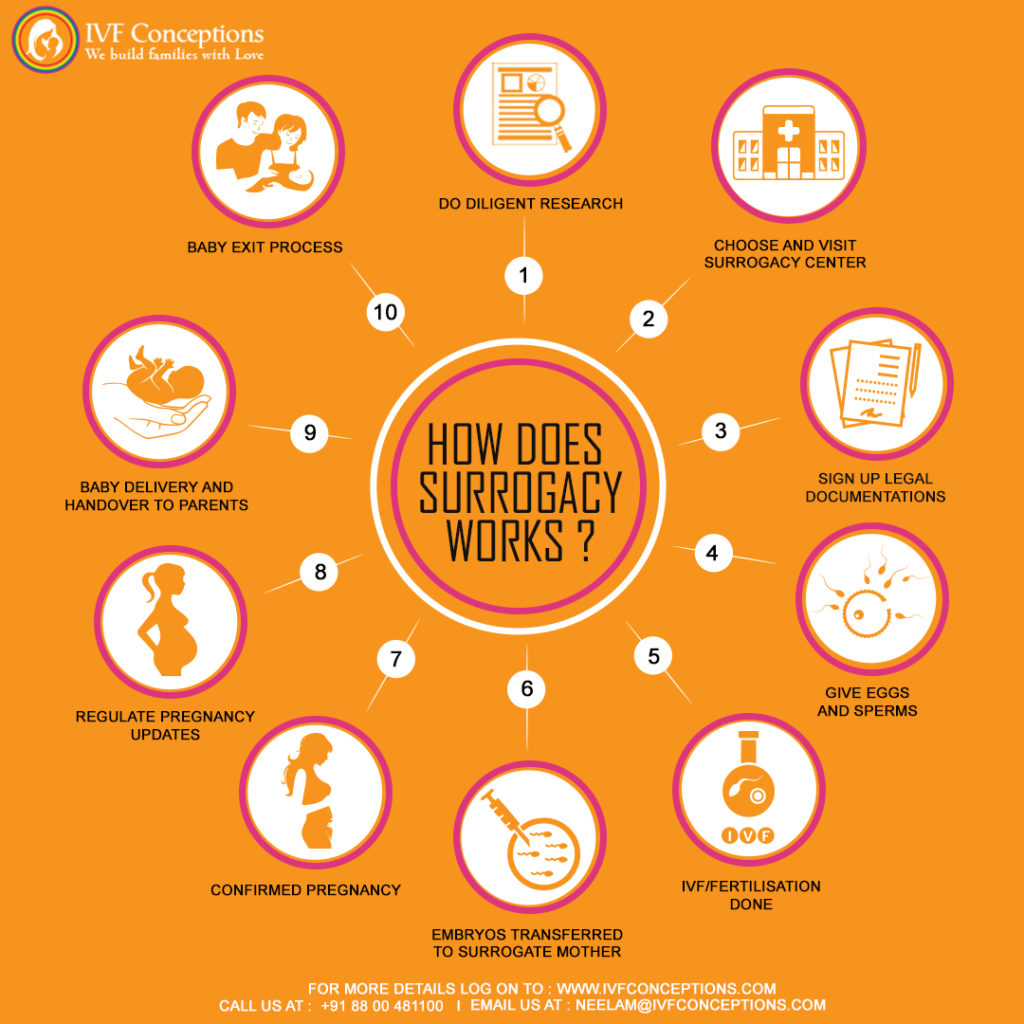
The Surrogacy Process- Your Stepwise Guide
The surrogacy process has many steps, from finding a gestational surrogate to dealing with the legal and medical side. Intended parents need to understand this journey of family building through surrogacy.
Finding a Gestational Surrogate
First, those interested meet with a surrogacy agency to learn about the surrogacy process and costs. The agency’s role is crucial, as they work to match you with a gestational carrier. They help create the legal agreements (contracts) needed for everyone involved.
Medical Screenings and Legal Contracts
Before moving forward with IVF, both the intended parents and the carrier undergo medical evaluations. This includes checking for psychological conditions such as depression. Carriers must also pass a rigorous medical check to ensure they can carry a pregnancy.
Moreover, specific legal contracts are put in place. These contracts cover the transfer of the baby to the intended parents after birth. They also outline the carrier’s duties during the pregnancy, payment, and other important matters.
IVF and Embryo Transfer
Once everyone has finished the medical and legal checks, the next step is IVF treatment. The healthcare team collects eggs from the intended mother and fertilizes them with sperm from the father in a lab. An embryo is formed from this process.
Meanwhile, the gestational carrier starts taking fertility medication to get her uterus ready for the embryo. After this, the embryos are placed in her womb. This action completes the IVF and embryo transfer part.
Considerations for Intended Parents
Many couples use a gestational carrier to have children. They do this when the mom can’t carry the baby or there’s no uterus. Others use it because they can’t have a baby themselves, like some single folks or gay men. This method expands the ways people can have families.
Additional Guides for Surrogate Mother:
Find a Surrogate Mother With or Without an Agency
In Which Country can I Find Low-Cost Surrogate Mothers (in 2023)?
How can I find a Surrogate Without an Agency
What is the Age Limit for Surrogate Mothers
How Much Does Surrogacy Cost Using a Family Member

Choosing Gestational Surrogacy
Intended parents must think about a lot before choosing this path. They need to consider the considerations for intended parents and the legal issues.
Plus, they must look at the costs of gestational surrogacy. This method is a special chance to have a family.
It helps when having a baby isn’t possible because of health or other reasons. But it comes with risks and benefits. So, it’s key to understand what these are.
Risks and Benefits
Using a gestational carrier has its ups and downs. There’s no sure thing the baby will arrive safely, and some medical procedures can be tough. Financial and emotional strain are also potential risks. Still, it’s a great option for many to have a family.
Costs of Gestational Surrogacy
The costs of gestational surrogacy can be high. Usually, it’s around $50,000 to $150,000. It’s important for intended parents to carefully plan their finances for this family addition.

Conclusion
Gestational surrogacy is a great chance for those who can’t bear children themselves. This could be due to medical issues or personal choices. When thinking about this way of making a family, you should look at some important things.
You need to decide whose eggs to use, the laws and health rules, and what the future parents need to think about. These details can help you figure out if this is the right choice for you.
This process starts by making an embryo outside the body. This is done through a method called in vitro fertilization (IVF). It uses the eggs and sperm of the future parents or donors.
The healthy embryo is then put into the surrogate mother’s womb. She carries the baby and gives birth. It’s important to know that she is not related to the child in a genetic way. This method is more well-known and accepted in the USA. But, it can also be very complicated and cost a lot of money.
If you’d like to learn more about IVF, Egg Donation, or surrogacy Consulting services globally, check out the rest of our website at IVF Conceptions. We offer legally secure and affordable surrogacy consulting services for FREE.
Contact us:
Mobile: +91-8800481100 ( WhatsApp, Line, Viber)
Email: neelam@ivfconceptions.com
Web: www.completesurrogacy.com
Why Intended Parents Choose Complete Surrogacy for a Safe, Smooth & Successful Surrogacy Journey:
🌍 Access to multiple surrogacy destinations with 15+ years of international experience
🏥 Partnerships with top-tier fertility clinics and agencies, backed by references from past clients
👩🦱 Diverse egg donor options: Asian, Caucasian, African, Oriental, and more
💸 Transparent and affordable pricing—direct payments with no extra agency fees
🔒 No hidden costs—all charges are agreed upon upfront
🤝 Dedicated case manager for personalized support
📲 Fast, honest, and clear communication throughout
📑 Full legal support for visas, documentation, and baby exit processes
🚚 Assistance with frozen sperm/embryo shipment logistics
FAQ: Whose eggs are used in gestational surrogacy
 What is gestational surrogacy?
Gestational surrogacy means an embryo is made through IVF with the parents’ or donors’ genetic materials. Then it’s placed in a gestational carrier’s uterus for pregnancy. The carrier has no genetic link to the baby.
How does gestational surrogacy differ from traditional surrogacy?
The big difference is in gestational surrogacy, the surrogate isn’t genetically related to the child. This is because her egg is not used. In traditional surrogacy, the surrogate provides the egg, so there is a genetic link.
Whose eggs are used in gestational surrogacy?
For gestational surrogacy, eggs can come from the intended mother or an egg donor. The surrogate doesn’t provide the egg. Therefore, she’s not genetically tied to the child.
How does the surrogacy process work?
The journey usually starts by finding a gestational carrier through an agency. Then there are medical and mental health checks and legal agreements. Finally, an embryo is created and placed in the carrier’s uterus using IVF.
What are the considerations for intended parents using a gestational surrogate?
Intended parents need to think about the risks and benefits, legal and financial aspects, and everyone’s well-being. The cost can be between $50,000 to $150,000 or more.
Source Links