
Surrogacy Eligibility for Indian Couples Living Abroad
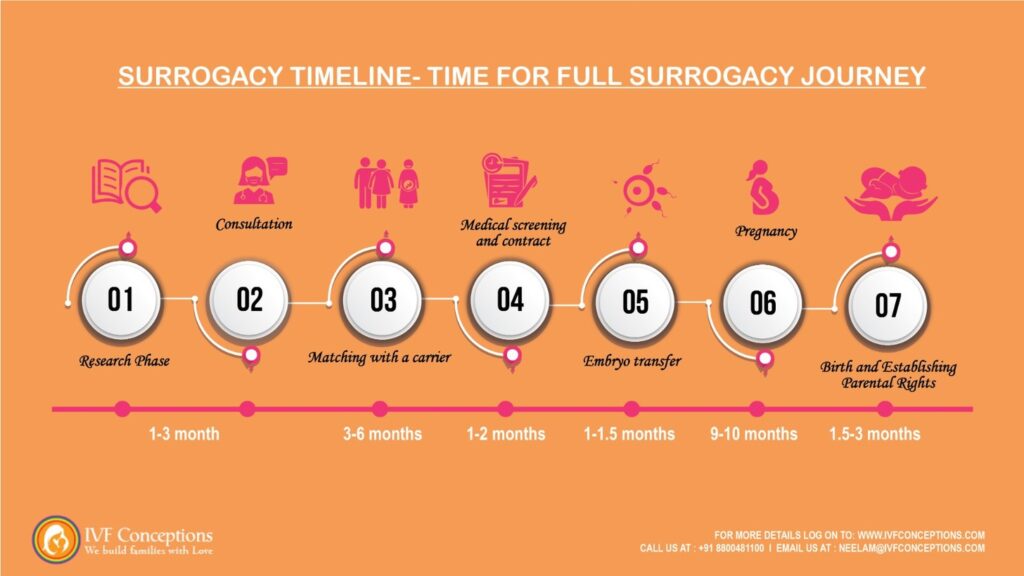
Surrogacy process in India
Have you ever wondered whether legal gates or paperwork will block your path to parenthood when planning a gestational arrangement across borders?
This guide explains why eligibility is more than a medical checklist. India’s current law (Surrogacy Regulation and ART acts) permits only altruistic arrangements and sets strict certification and documentation limits.
For US-based readers, the key choices hinge on citizenship status, marriage duration, infertility certification, and whether the intended parents can secure travel and parentage papers later.
The article will focus on decision-making, timeline planning, and risk reduction — not clinic marketing. Expect clear non-negotiables you must verify early to protect your family and reduce legal exposure.
Key Takeaways for Surrogacy Eligibility for Indian Couples Living Abroad
- Eligibility combines medical, legal, and document checks — start early.
- India’s framework is restrictive; some couples opt to go overseas.
- Verify citizenship, marriage length, and childless certification first.
- Being allowed to start a process differs from securing parentage and travel papers.
- Careful recordkeeping and ethical practice lower legal risk.
THE SURROGACY (REGULATION) ACT, 2021- In Nutshell) ACT, 2021- In Nutshell
- Altruistic Surrogacy only (no direct financial benefit to the surrogate mother)
- Registered Surrogacy Clinic only (ART Registered clinics can perform surrogacy).
- Single woman (divorced or widowed), between the ages of 35 to 45 years. A genetic link is a must.
- Married Indian females (25 to 50 years) and males (26 to 55 years).
- Only Indian citizens and OCI are allowed to do surrogacy ( married couples)
- The couple has not had any healthy surviving children biologically or by adoption.
- Have to have a Medical indication necessitating gestational surrogacy.
- To obtain a certificate of essentiality from the Appropriate Authority.
- To obtain a certificate of medical indication necessitating gestational surrogacy from the District Medical Board.
- Parentage Order passed by First Class Magistrate.
- Surrogate Mother to obtain the eligibility certificate from the Appropriate Authority.
- Surrogacy (Regulation) Amendment Rules, 2024- As of 21 Feb 2024,
- It is possible to use an egg donor or sperm donor if all other conditions are met.
📞 Get in Touch for a Free Surrogacy Consultation
📱 +91-8800481100 (WhatsApp | LINE | Viber)
📧 neelam@ivfconceptions.com
http://www.completesurrogacy.com
Why Intended Parents Choose us for a Safe, Smooth & Successful Surrogacy Journey:
🌍 Access to multiple surrogacy destinations with 15+ years of international experience
🏥 Partnerships with top-tier fertility clinics and agencies, backed by references from past clients
👩🦱 Diverse egg donor options: Asian, Caucasian, African, Oriental, and more
💸 Transparent and affordable pricing—direct payments with no extra agency fees
🔒 No hidden costs—all charges are agreed upon upfront
🤝 Dedicated case manager for personalized support
📲 Fast, honest, and clear communication throughout
📑 Full legal support for visas, documentation, and baby exit processes
Read more about surrogacy in India for an Indian couple living abroad:
How much does surrogacy cost in India?
https://www.ivfconceptions.com/surrogacy-in-india/

Surrogacy in India
Surrogacy Eligibility for Indian Couples Living Abroad
The law sets firm gates you must clear before any clinical steps. These are documentary and medical checks that busy US-based couples should verify early.
A married couple is allowed to do surrogacy in India
Intending partners must prove they have been married at least five years. Official marriage certificates are examined closely, and the counting is strict (no rounding). If you are near the five-year mark, plan timelines around the exact date.
Medical infertility certification required under the Surrogacy (Regulation) Act, 2021
Medical boards or district panels must certify infertility. Expect clinic records, test reports, and a formal board letter. Board approval is mandatory before registration or embryo transfer.
Childless requirement and limited exceptions
The law generally requires the couple be childless. Past adoptions or a child not in the household can still affect the case. Edge situations need a lawyer’s review.
Age bands are commonly applied to intending parents
Common practice sets female 23–50 and male 26–55 as planning anchors. Confirm current board interpretations before booking major expenses.
| Legal Gate | What to provide | Practical tip |
| Marriage duration | Official marriage certificate showing date | Married |
| Medical certification | Board letter + clinic records | Request copies of all tests and reports in advance |
| Childless status | Declarations and supporting documents | Seek legal review for complex family histories |
| Nationality of spouses | Passports and citizenship proof | Intended Parents should be Indian citizens or if not, then should have OCI for both partners |
Altruistic Surrogacy vs Commercial Surrogacy:
What Indian Law Allows (and What It Bans)
If you plan a cross-border arrangement, understanding allowed reimbursements and banned payments is critical. Indian law permits only altruistic arrangements where the carrier may receive documented pregnancy-related payments but not a fee for carrying the child.
What counts as allowable costs? Expect to document clinical care, hospitalization, medications, pregnancy monitoring, and mandatory medical expenses insurance. These must be traceable and tied to health services.
How the ban changed the market. The prohibition on commercial surrogacy ended paid matching services and agency fees. Finding a carrier became harder, and many families consider overseas options.
What triggers legal risk? Cash “thank you” payments, high‑value gifts, hidden transfers, or any arrangement that looks like profit or compensation can invite severe penalties and claims of exploitation.
Practical tip: Use registered clinics, secure clear invoices, and keep insurance records. If a transfer can’t be justified as a medical or insurance expense, assume scrutiny later and avoid it.
Surrogate Eligibility in India
Intended Parents Eligibility Criteria (India, under the new Surrogacy Act)
If you are planning surrogacy in India, these are the key requirements you must meet:
- For Married Couples
- Husband must be 26–55 years old.
- Wife must be 23–50 years old.
- For Single Women
- Only widows or divorcees are eligible.
- Age must be within 23–50 years.
- Can use a sperm donor, but egg donation is not allowed.
- For Couples of Indian Origin
- Both partners must hold OCI (Overseas Citizen of India) cards.
- Application Process
- Must apply in their resident district/ward.
- Medical & Legal Guidelines
- Couples cannot already have a healthy biological child.
- Egg donor cycles are permitted, but embryo import from abroad is not allowed.
- Embryos may be transferred between registered clinics within India.
- Sex selection is strictly prohibited.
- A Certificate of Medical Indication must be obtained from the District Medical Board.
- A Certificate of Essentiality is required before starting the process.
- A Parental Order must be issued by a First-Class Magistrate for both the couple and the surrogate.
- For the Surrogate Mother’s Protection
- She must be covered under general health insurance for 36 months.
- An affidavit must guarantee compensation in case of complications.
- Clinic Requirement
- Surrogacy must be carried out only through a ART registered surrogacy clinic, as per the new Act.

surogacy laws in India
Certificates, Permissions, and Paperwork for Gestational Arrangements (ART + Surrogacy Acts)
Before medical steps begin, understand which certificates and approvals the government will demand and how long each stays valid.
The process requires two central certificates: a certificate of essentiality and a certificate of eligibility. Both act as legal permission slips. A District Medical Board must first certify medical indication (infertility or contraindication) before the authorities issue these certificates.
What the certificates do in practice
The certificates authorize clinics to start procedures and protect parents’ future rights. They are commonly time-limited (often one year), so plan travel and treatment windows accordingly.
Clinic compliance and assisted reproductive documentation
Only registered assisted reproductive clinics and banks may perform procedures. The ART framework requires strict recordkeeping. Good records support parentage claims and speed consular or government reviews.
Mandatory insurance and why it matters
Insurance for the carrier is mandatory. Proper coverage must be documented and invoiced. Off-book payments or inadequate insurance can trigger audits and legal risk.
| Document | Who issues it | Why it matters |
|---|---|---|
| Certificate of essentiality | Designated authority after board sign-off | Permits clinic to proceed with embryo transfer |
| Certificate of eligibility | Designated authority | Confirms parents meet statutory criteria |
| District Medical Board report | Medical board | Documents medical indication and time limits |
| Insurance proof | Insurer / clinic records | Protects carrier and reduces legal exposure |
2024 Rule Update on Donor Gametes

Find a surrogate mother in India
A 2024 rule tweak now lets some intended parents use a donor egg or donor sperm when a medical board certifies necessity.
What changed, and what does that means
Key change: the Surrogacy (Regulation) Amendment Rules, 2024 (Gazette, Feb. 21, 2024) allow donor gametes only if the child will have at least one gamete from the intending pair. Donor embryos remain prohibited.
How medical boards decide
District Medical Boards must review diagnostic evidence (not just clinic notes). Expect formal certification that explains the medical grounds and authorizes the assisted reproductive step.
- Typical conditions reviewed: azoospermia, severe male factor, diminished ovarian reserve, poor egg quality, or repeated IVF failure.
- Practical effect: more couples can try a donor-assisted cycle, but family and nationality rules still apply.
- Timing and cost: add testing, donor coordination, and possible extra cycles to your budget and timeline.
Document strategy: keep all board letters and clinic records. Consular officers may later ask how the child was conceived, so clear paperwork protects parental claims and travel plans.
Additional guide for surrogacy in India:
Cost of Surrogacy in Mumbai: Affordable Options
Top 5 Best Surrogacy Doctors in Mumbai With High Success Rate (2023)
Best IVF Centers in India – IVF Conceptions
Is Surrogacy in India For Overseas Citizenship of India (OCI) Allowed
Latest Surrogacy Law in India- Surrogacy (Regulation) Act, 2021
Is Surrogacy for NRI in India Allowed?
How to Find Surrogate Mothers in India
How Much Does Surrogacy Cost In India ( in 2023)?
Legal Issues Related To Surrogacy In India
Surrogacy In India-Everything Parents Need to Know
Top 10 Surrogacy Doctors in India With Affordable Surrogacy Costs
Bringing Baby Home

A birth marks the start of intense medical care and tightly timed legal work. You will juggle newborn needs, hospital forms, and official filings that affect the child’s nationality and the parents’ rights.
Why timing (pre-birth vs post-birth) changes everything
Some courts issue pre-birth parentage orders. These let parents appear on a birth certificate and speed passport and travel steps.
Other jurisdictions require post-birth proceedings. That delays passport applications and may complicate leaving the country with the child.
Citizenship by descent: practical proof you must have
Under Section 4 of the Indian Citizenship Act, a child born overseas may qualify if at least one parent is a citizen at the relevant time. Consulates look for passports, marriage and birth records, and clear parentage documents.
What consulates typically scrutinize
- Agreements and contracts: formal arrangement documents or clinic letters.
- Medical records: hospital birth certificates, delivery notes, and neonatal reports.
- Identity chain: original passports, certified copies, and matching names/dates.
- DNA testing: sometimes requested when genetic parentage matters to the legal process.
Reducing embassy delays and protecting rights
Expect mission-to-mission variation. Prepare originals and certified copies, keep a chronological file, and ensure all names match exactly. If a DNA test is likely, pre-plan logistics and consent paperwork to avoid last-minute hold-ups.
| Risk | What to provide | When it helps | Practical tip |
|---|---|---|---|
| Pre/post-birth uncertainty | Court orders or local lawyer opinion | Before birth to enable faster passport | Check state court options where birth occurs |
| Citizenship proof | Parent passport, citizenship documents | Passport and certificate applications | Carry originals at hospital discharge |
| Consular scrutiny | Agreements, clinic records, birth certs | Consular review for nationality recognition | Use certified translations and notarized copies |
| DNA requests | Chain-of-custody test reports | When genetic link affects legal status | Plan testing labs in advance with your lawyer |
Bottom line: Bringing a child home is both medical and legal. Over-prepare paperwork, confirm pre-birth options where possible, and keep a clear file to protect your family’s rights and reduce delays.
Budgeting and Risk Management: Costs, Timelines, and Legal Exposure
A realistic financial plan treats legal steps and insurance as core medical costs, not optional add‑ons. Start by mapping major expense categories so you can spot gaps before payments are due.
Typical cost drivers include clinic fees, legal counsel, document preparation, travel, and the mandated carrier insurance. In India, illustrative ranges often cited are ₹12–22 lakhs, but treat those as variable estimates (exchange rates and travel add more).
- Allow buffer months for paperwork: certificates and court orders can delay the timeline.
- Keep itemized receipts and avoid cash gifts; undocumented payment risks criminal penalties under the law (up to 10 years’ imprisonment and fines).
- Compare options: a managed arrangement may cost more but preserves a genetic link and a tighter schedule, while adoption can be cheaper yet take longer and follow different gates.
Risk reduction: use registered clinics, get written invoices, pay through traceable channels, and secure proper insurance for the carrier. These steps lower legal exposure and make consular steps smoother.
Conclusion
Careful paperwork and a clear legal strategy determine whether a cross-border parenting plan succeeds or stalls.
Keep one central takeaway: eligibility gates matter first. Your status, five‑year marriage proof, medical board certification, childless declaration, and an eligible altruistic carrier are the checklist you must clear before clinical steps begin.
The 2024 donor‑gamete update offers limited help when a board certifies medical need; it still requires at least one gamete from the intending pair and formal approval.
If India is not accessible, choose an overseas path that matches your timeline, court options (pre‑ or post‑birth), and consular experience. Prioritize legal stability over shortcuts.
Plan every step — medical, legal, insurance, and paperwork — as one integrated process. Protect the carrier’s health, keep clear records, and you reduce delays and protect the child’s future.
To confirm if we can assist you with surrogacy in India legally, can you pls give below details.
ï Female Partner Age:
ï Male Partners Age:
ï Citizenship:
ï Marital status:
ï Any child?:
ï Medical reason for surrogacy:
ï Self or donor cycle: Self eggs
ï Present location:
📞 Get in Touch for a Free Surrogacy Consultation
📱 +91-8800481100 (WhatsApp | LINE | Viber)
📧 neelam@ivfconceptions.com
🌐 www.ivfconceptions.com
http://www.georgiasurrogacyagency.com

 FAQs for surrogacy in India
Who is this guide intended for—do NRIs and OCI cardholders count?
How does the five-year married requirement work under current law?
What medical certification is needed to prove infertility?
Can a couple with an existing child pursue assisted reproduction in India?
What are the typical age limits for intending parents?
Why might having a foreign spouse make a couple ineligible in India?
What is allowed under altruistic arrangements and what costs can be covered?
Why is commercial payment banned and how did that change the market?
What types of payment or “compensation” can trigger legal risk?
Who can act as a carrier under Indian rules and what health criteria apply?
Are there limits on how many times a woman can carry for others or on embryo transfers?
What are the certificate of essentiality and certificate of eligibility?
What documentation do medical boards and clinics require under ART rules?
Is insurance mandatory for the carrier—and what should it cover?
How do registered ART clinics and recordkeeping protect intending parents?
What changed in the 2024 amendment on donor gametes?
How do medical boards decide on use of donor eggs or donor sperm?
What options exist if a couple is not eligible in India—how does the US compare?
How do UK, Cyprus, Albania, and Georgia differ as alternative destinations?
How should couples evaluate destination risk when planning abroad?
How does establishing parentage abroad affect travel home and citizenship claims?
Additional guide for intended parents for Complete Surrogacy: