
Foods to Increase Sperm Count: Your Complete Guide to Parenthood

A healthy diet is key for male fertility and can boost sperm count. Foods like oysters, rich in zinc, can increase semen volume and sperm motility. Foods high in antioxidants, such as cranberries and collard greens, protect sperm from damage. Did you know tomatoes can improve sperm counts by 22 million/ml? Walnuts, with their antioxidants and omega-3s, also boost sperm quality. Pumpkin seeds, rich in zinc and omega-3s, are another great choice.
Nutrition plays a big role in sperm production. Choosing the right foods can support male fertility. Foods like salmon and sardines, rich in omega-3s, are especially beneficial. Let’s discuss Foods to Increase Sperm Count for optimum fertility.
Key Takeaways for Foods to Increase Sperm Count
- Eating foods rich in antioxidants, such as cranberries and collard greens, can help protect sperm from cellular damage.
- Foods that boost sperm count, like oysters and pumpkin seeds, offer essential nutrients for sperm production.
- A food to increase sperm count, such as walnuts, may improve sperm quality due to their high content of antioxidants and omega-3 fatty acids.
- Consuming 4 mg of lycopene daily can improve sperm counts, motility, and morphology.
- Incorporating the best foods for male fertility, like fatty fish and fruits, into your diet can support male fertility and increase sperm count.
- A healthy diet, combined with a balanced lifestyle, can improve sperm quality and overall fertility.
- Limiting junk food, high-mercury fish, and excessive consumption of saturated fats can help maintain optimal sperm health.
📞 Get in Touch for a Free Surrogacy Consultation
📱 +91-8800481100 (WhatsApp | LINE | Viber)
📧 neelam@ivfconceptions.com
🌐 www.ivfconceptions.com
Why Intended Parents Choose Complete Surrogacy for a Safe, Smooth & Successful Surrogacy Journey:
🌍 Access to multiple surrogacy destinations with 15+ years of international experience
🏥 Partnerships with top-tier fertility clinics and agencies, backed by references from past clients
👩🦱 Diverse egg donor options: Asian, Caucasian, African, Oriental, and more
💸 Transparent and affordable pricing—direct payments with no extra agency fees
🔒 No hidden costs—all charges are agreed upon upfront
🤝 Dedicated case manager for personalized support
📲 Fast, honest, and clear communication throughout
📑 Full legal support for visas, documentation, and baby exit processes
🚚 Assistance with frozen sperm/embryo shipment logistics

Related surrogacy Costs guides:
What is the average surrogacy cost?
How much does surrogacy cost in Ukraine?
How much does surrogacy cost in Georgia?
How much does surrogacy cost in India?
What is the Surrogacy Cost in Colombia?
What is the Surrogacy cost in Mexico?
What is the surrogacy cost with family members?
Understanding Male Fertility and Sperm Health
Male fertility is a complex process that involves the production of healthy sperm. To support optimal sperm health, it’s essential to understand the factors that affect sperm count and the role of nutrition in sperm production. A diet for healthy sperm production can significantly impact sperm quality and overall fertility.
Natural ways to improve sperm count include maintaining a healthy weight, exercising regularly, and eating a balanced diet rich in foods to enhance male reproductive health.
A study found that men who consumed a diet high in fruits, vegetables, and whole grains had better sperm quality compared to those who consumed a diet high in processed foods and saturated fats.
Some key factors that affect sperm count include:
- Varicocele, a condition that affects blood flow to the testicles
- Infections in the prostate or epididymis
- Oxidative stress, which can damage sperm DNA
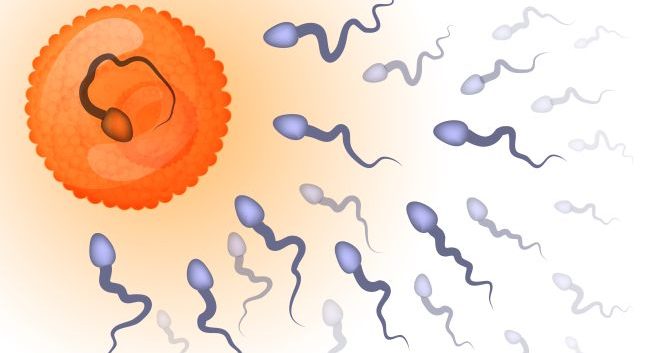
By understanding these factors and making lifestyle changes to support sperm health, you can increase your chances of conception.
A healthy diet and regular exercise can go a long way in promoting foods to enhance male reproductive health and overall fertility.
| Factor | Effect on Sperm Count |
| Varicocele | Decreased sperm count and motility |
| Infections | Decreased sperm count and motility |
| Oxidative stress | Damaged sperm DNA and decreased fertility |
Essential Nutrients That Boost Sperm Production
For sperm-boosting foods, a balanced fertility diet for men is key. Certain nutrients are crucial for sperm health. Adding foods that increase sperm quality to your diet can help a lot. Zinc, for instance, boosts testosterone and sperm count. Oysters and beef are great for a fertility diet for men.
A fertility diet for men should also include omega-3-rich foods like salmon. These support sperm quality. Folate in tomatoes and avocados, and antioxidants like lycopene, protect sperm. Eating these sperm-boosting foods can improve your sperm health and fertility chances.
- Oysters, rich in zinc
- Beef, rich in zinc, selenium, and vitamin B12
- Salmon, rich in omega-3 fatty acids
- Tomatoes, rich in lycopene
- Avocados, rich in folate and zinc
Choosing the right foods and adding these sperm-boosting foods to your diet can help. It’s a proactive way to support your sperm health and boost your fertility.
Best Foods to Increase Sperm Count and Quality
A balanced diet is key to better sperm health. Foods high in antioxidants, protein, and healthy fats are best. Eating a variety of whole foods helps provide the nutrients needed for healthy sperm.
Antioxidant-Rich Foods
Antioxidants in foods like berries and leafy greens protect sperm from damage. Other good foods include:
- Fruits: apples, bananas, and grapes
- Vegetables: broccoli, carrots, and sweet potatoes
- Nuts and seeds: almonds, sunflower seeds, and pumpkin seeds
Protein Sources for Sperm Health
Protein is vital for sperm production. Lean meats and fish are great sources. Other good options are:
- Lean meats: chicken, turkey, and beef
- Fish: salmon, tuna, and sardines
- Eggs and dairy: eggs, milk, and cheese

Foods to Avoid for Optimal Sperm Health
Supporting sperm health isn’t just about what you eat. It’s also about what you avoid. Some foods can lower sperm count and affect fertility. Avoid processed meats, sugary drinks, and foods with lots of saturated fats.
Eating foods that decrease sperm count can cause problems. For instance, men who drink soda daily have lower sperm counts than those who drink water. A diet full of processed meats can also harm sperm count and motility.
Here are some foods to steer clear of:
- Processed meats, such as hot dogs and sausages
- Sugary drinks, like soda and sports drinks
- Foods high in saturated fats, such as fried foods and baked goods
Avoiding these foods and choosing healthier options can boost your reproductive health. A balanced diet with fruits, vegetables, and whole grains supports sperm health and fertility.
Meal Planning for Maximum Fertility Benefits
When planning meals for fertility, focus on a diet that boosts sperm count. A balanced diet full of nutrients can greatly improve sperm health. This can help increase your chances of getting pregnant.
Start your day with oatmeal, fruits, and nuts for breakfast. These foods are packed with vitamins and minerals. For lunch and dinner, choose lean proteins, whole grains, and lots of vegetables. Snack on fruits and nuts to help with sperm production.
Some foods are great for increasing sperm count. Walnuts are full of omega-3 fatty acids, and tomatoes are rich in lycopene. Adding these to your diet can support your reproductive health and boost fertility.
Here are some key foods to include in your meal planning for fertility:
- Leafy greens, such as spinach and kale
- Fatty fish, like salmon and sardines
- Nuts and seeds, including walnuts and almonds
- Whole grains, like brown rice and quinoa
By eating a balanced diet and adding these foods, you can support your reproductive health. This can improve your chances of getting pregnant.
| Food | Nutrient | Benefit |
| Walnuts | Omega-3 fatty acids | Supports sperm health |
| Tomatoes | Lycopene | Improves sperm quality |
| Leafy greens | Folate | Supports reproductive health |
Lifestyle Changes to Support Dietary Improvements
Dietary changes are just the start for better sperm health. Lifestyle changes also play a big role. Regular exercise boosts sperm health by increasing antioxidant enzymes.

food to increase Sperm Count
Stress and sleep are key, too. High stress and poor sleep hurt sperm health. It’s vital to manage stress and get enough sleep. Fertility supplements can help, but talk to a doctor first.
Exercise and Physical Activity
- Regular exercise can improve sperm quality and quantity
- Moderate physical activity can increase antioxidant enzymes that protect sperm
- Aim for at least 30 minutes of moderate-intensity exercise per day
Supplements to Improve Sperm Quality
Some fertility supplements, like antioxidants and omega-3s, support sperm health. But, always check with a doctor before starting new supplements. They can affect other medicines or cause problems.
| Lifestyle Change | Benefit for Sperm Health |
| Regular Exercise | Improves sperm quality and quantity |
| Stress Management | Reduces negative impact on sperm health |
| Good Sleep Quality | Supports overall sperm health |
| Fertility Supplements | Supports sperm quality and quantity |
Tests to Check Semen Quality
Semen analysis is key in checking male fertility. It looks at sperm count, how well they move, and their shape. This test is vital for spotting any sperm health issues that might affect fertility. Also, sperm DNA fragmentation tests check the sperm DNA’s health, which is crucial for fertilization.
Fertility tests, like semen analysis and sperm DNA fragmentation, offer important insights into male reproductive health. They help find issues that might lead to infertility. Knowing the test results can help individuals fix problems and boost their chances of getting pregnant.
- Sperm count and concentration
- Sperm motility and morphology
- Presence of white blood cells or other abnormalities
Adding these tests to a fertility check-up helps people understand their reproductive health better. This knowledge can guide them in making smart choices about their fertility.
Conclusion: Making Lasting Changes for Better Fertility
 The journey to better fertility starts with lasting changes in diet and lifestyle. Adding foods that boost male fertility and following recommended habits can help. These steps support your reproductive health.
Half of all infertility cases are due to male issues. Smoking, drinking, and toxins harm sperm quality and quantity. But with the right lifestyle changes, you can beat these challenges and boost your chances of having a baby.
📞 Get in Touch for a Free Surrogacy Consultation
📱 +91-8800481100 (WhatsApp | LINE | Viber)
📧 neelam@ivfconceptions.com
🌐 www.ivfconceptions.com
FAQs for improving semen quality with food supplements

food to increase Sperm Count
What are the key factors that affect sperm count?
Nutrition, lifestyle, and medical conditions are key factors. Eating right, with foods like zinc and omega-3, is crucial. Stress, sleep, and exercise also play a role in sperm health.
What are the best foods to increase sperm count?
Foods high in antioxidants, like berries and leafy greens, are great. Nuts, seeds, and lean meats are good protein sources. Avocados, olive oil, and fatty fish are full of healthy fats.
What are the signs of low sperm count?
Low sperm count can make it hard to conceive. You might notice less semen or abnormal sperm. Seeing a doctor for a semen analysis is key.
What essential nutrients are important for sperm production?
Zinc, vitamin D, folate, selenium, and omega-3 are vital. They help with sperm development and health.
What foods should be avoided for optimal sperm health?
Avoid processed meats, sugary drinks, and foods high in saturated fats. They can harm sperm health by causing stress and imbalance.
How can meal planning support sperm health?
Eating a variety of nutrient-rich foods is key. Include fruits, vegetables, lean proteins, and healthy fats. Meal planning helps ensure a balanced diet for fertility.
What lifestyle changes can support dietary improvements for better sperm health?
Regular exercise, managing stress, and good sleep are important. Supplements can help if you’re missing nutrients.
What tests can be used to check semen quality?
Sperm analysis checks count, motility, and shape. DNA fragmentation tests look at sperm genetic health.
Source Links
- https://www.healthline.com/health/boost-male-fertility-sperm-count – 10 Ways to Boost Male Fertility
- https://www.uchicagomedicine.org/forefront/health-and-wellness-articles/2018/december/dont-make-the-mistake-of-letting-a-diet-kill-sperm – Diet and male fertility: Foods that affect sperm count – UChicago Medicine